
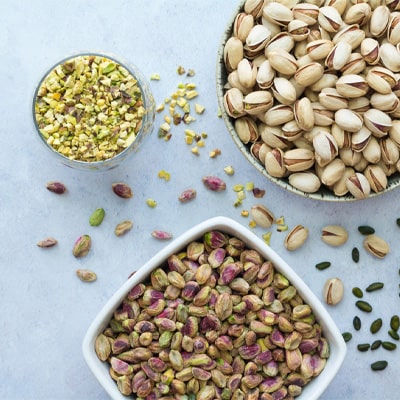
Pistachio
View Products
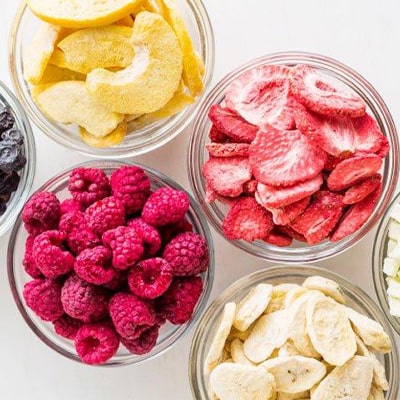
Frozen Drieds
View Products
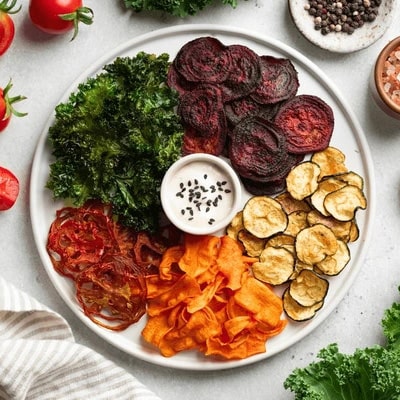
Dried Vegetables
View Products
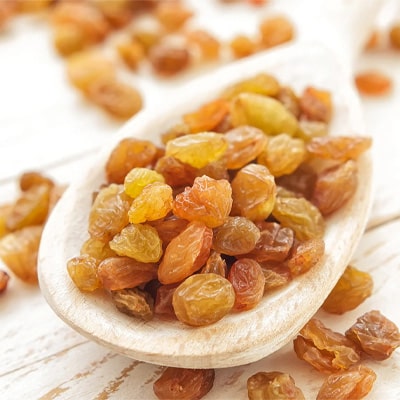
Raisin
View Products
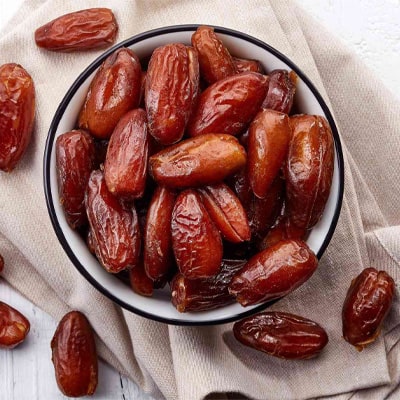
Dates
View Products
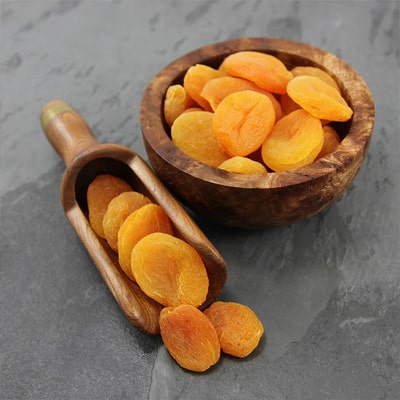
Dried Apricot
View Products
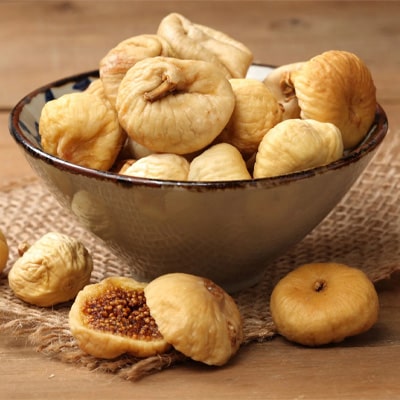
Figs
View Products

Saffron
View Products
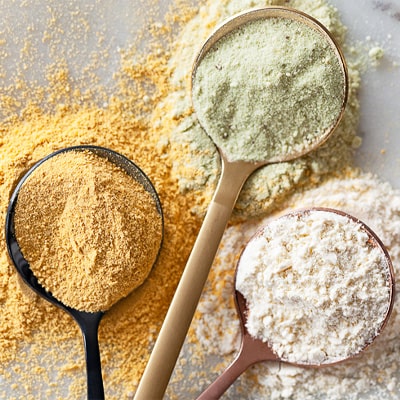
Powders
View Products
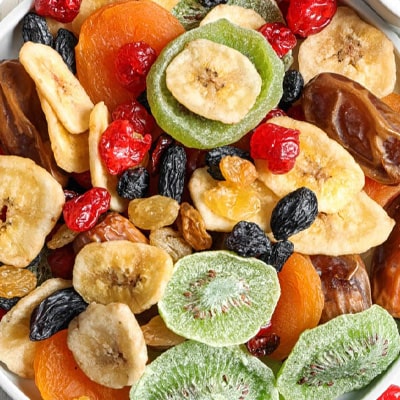
Dried Fruits
View Products
View Products
View Products
View Products
View Products
View Products
View Products
View Products
View Products
View Products
View Products

Iranian Dried Apricot: A Comprehensive Guide for Buyers and Exporters
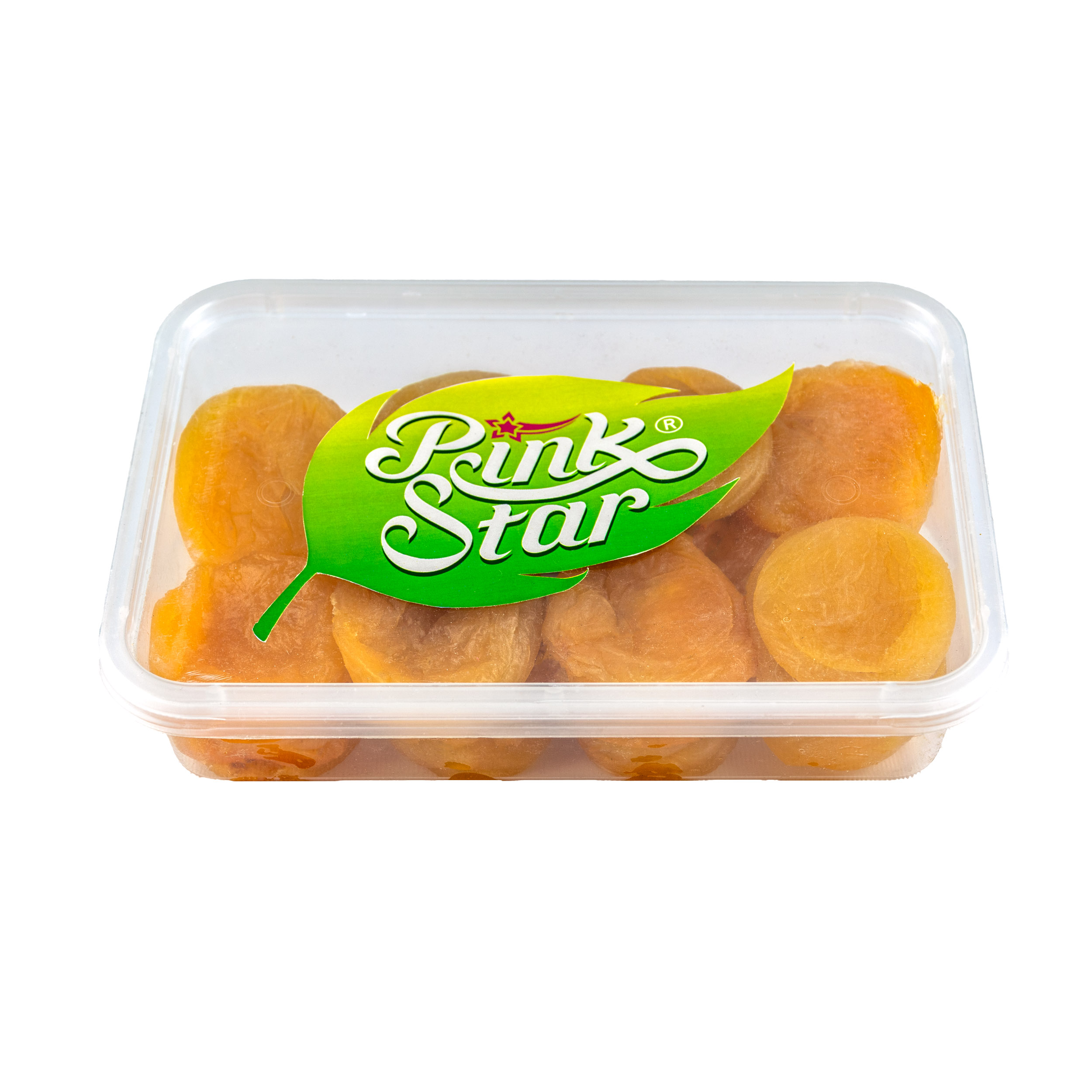
Pinkstar supplies high-quality Iranian dried apricots for international bulk buyers, food manufacturers, wholesalers, and private label brands. Our apricots are carefully selected from premium orchards in Iran and processed under strict quality control standards to ensure consistent color, texture, and export-grade specifications.
Iran is recognized as one of the leading origins of dried apricots, offering competitive pricing, natural sweetness, and strong aroma suitable for industrial and retail applications.
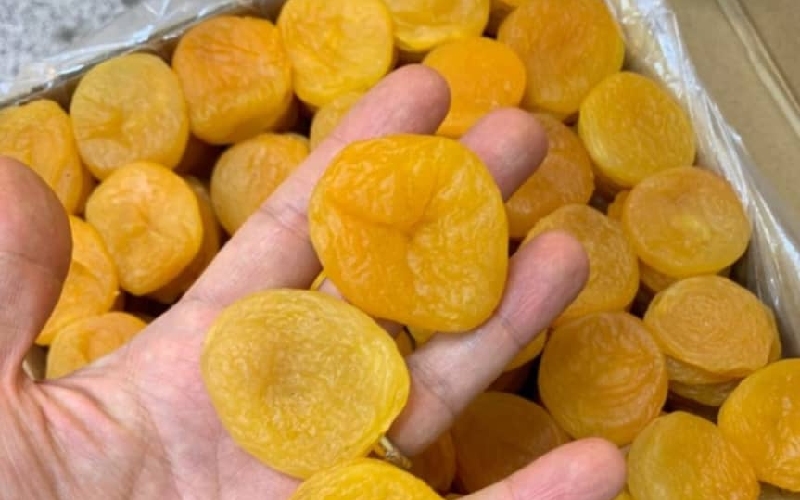
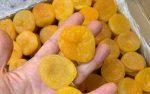
Iran is one of the leading global producers of dried apricots. The Gheysi variety is renowned for its vibrant color, natural sweetness, and firm texture. Major cultivation regions include East Azerbaijan, Qazvin, and Malayer, where climate conditions favor consistent drying and high-quality yields. Iranian dried apricots come in sulphured and unsulphured types. Sulphured apricots retain a bright orange color and longer shelf life, while unsulphured options appeal to natural-food markets with their authentic flavor and lower chemical content.
Purchasing high-quality Iranian dried apricots requires attention to color, uniform size, moisture content, and absence of defects. Certified exporters typically maintain moisture levels below 25% and comply with ISO 22000, HACCP, or organic standards. Proper storage ensures freshness. Keep apricots in dry, ventilated areas at temperatures below 15°C and avoid direct sunlight to prevent discoloration and flavor loss.
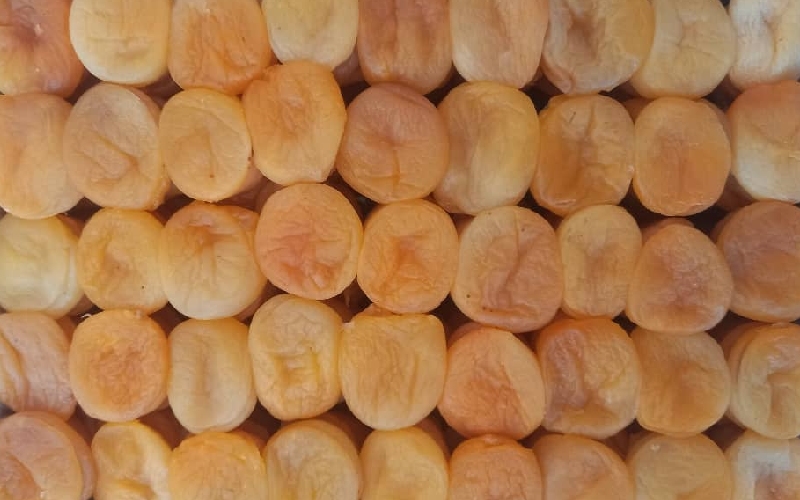
Pinkstar focuses on supplying stable, export-ready dried apricots that meet international food industry requirements.
Our key advantages include:
This makes our supply chain suitable for importers who require consistency, quality control, and predictable logistics.
Iranian dried apricots hold a strong position in global markets, especially in Europe, the GCC, Russia, and Canada. Compared to Turkish or Californian varieties, Iranian apricots are often more aromatic and firm, making them suitable for both snacking and industrial applications. Annual exports exceed 30,000 tons, demonstrating competitive pricing while meeting international quality and safety standards.
Iranian exporters focus on bulk shipments, usually in 10–25 kg cartons or vacuum-sealed bags to maintain freshness. The export process includes quality grading, certification verification, and compliance with HS code 081310. Increasing demand in the EU and GCC has led to improved traceability and packaging, ensuring shipments meet regulatory requirements and consumer expectations.

Selected bright-colored apricots suitable for supermarkets and premium packaging.
Balanced quality for importers and distributors targeting mid-range markets.
Designed for food manufacturing, bakery, cereals, and snack production.Factors Affecting the Price of Iranian Dried Apricots
Prices fluctuate based on seasonal harvests, weather conditions, production region, and variety. Sulphured apricots usually command slightly higher prices due to longer shelf life. Global demand, currency fluctuations, and transportation costs also influence pricing. Buyers should monitor market trends and maintain direct contact with reputable exporters to secure competitive rates.
Maintaining high quality is critical for international competitiveness. Key standards include consistent size grading, moisture content below 25%, sulfur dioxide levels within legal limits, and absence of foreign materials. Certifications such as HACCP, ISO 22000, and organic labels provide buyer confidence and facilitate smooth customs clearance.
Opportunities exist in health-focused food markets, organic product lines, and value-added packaging. Challenges include climate variability, global competition, and logistical constraints. Companies with strict quality control and reliable supply chains can mitigate risks and establish a strong market presence.
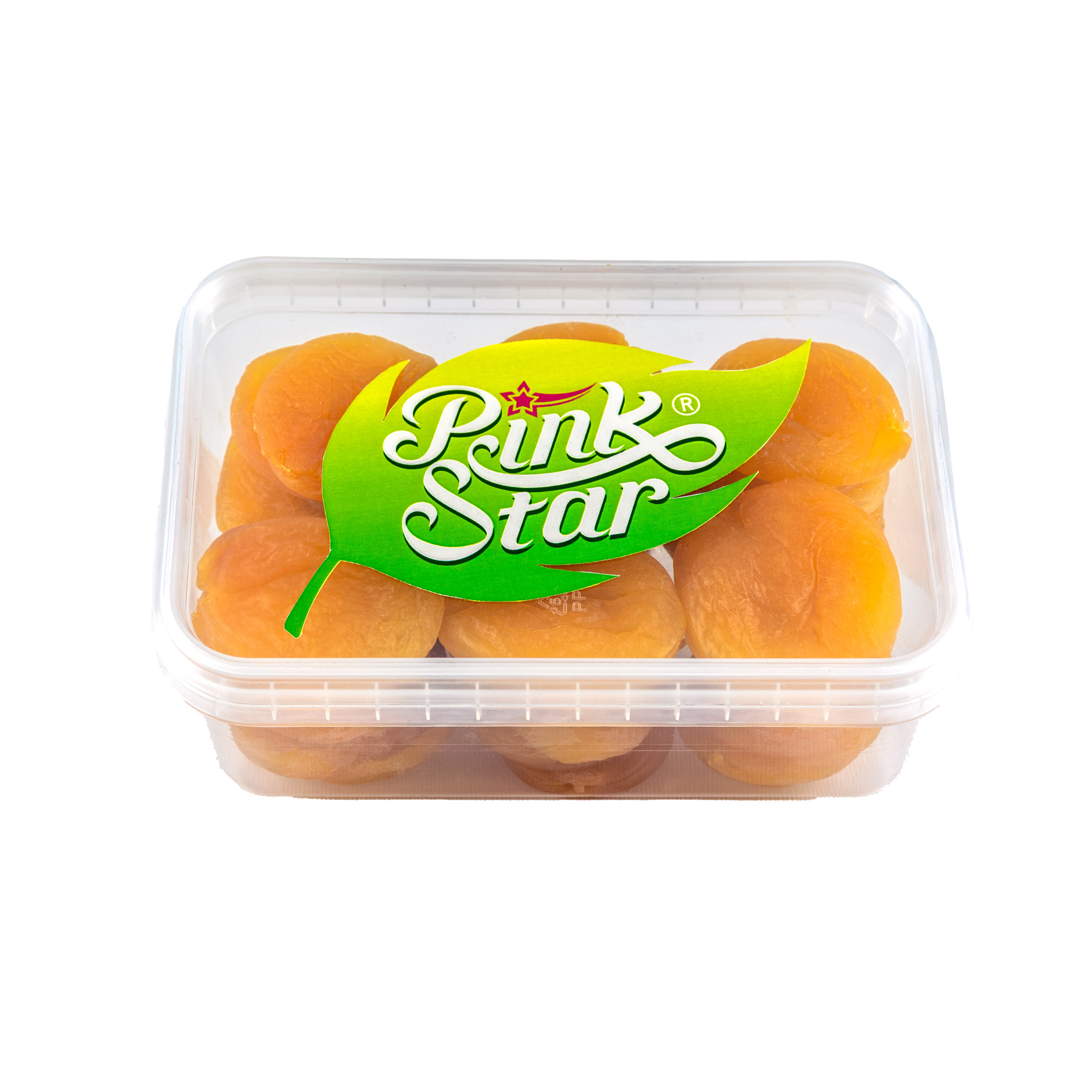
The price of Iranian dried apricots in the international wholesale market depends on grade, processing type, and order volume. Based on current export conditions, prices are generally stable but fluctuate with harvest season and logistics costs.
| Product Grade | FOB Iran (USD/kg) | CIF Europe (USD/kg) |
|---|---|---|
| Premium Grade (Gheysi, bright color) | 2.4 – 3.6 | 3.2 – 4.8 |
| Standard Wholesale Grade | 1.8 – 2.8 | 2.5 – 3.9 |
| Industrial Grade (Food Processing) | 1.5 – 2.3 | 2.2 – 3.2 |
| Unsulfured Natural Apricots | 2.6 – 3.8 | 3.5 – 5.0 |
Final price depends on packaging, destination port, and contract volume.
The price of dried apricots from Iran is influenced by several agricultural, industrial, and trade-related factors.
Higher-grade apricots (bright color, uniform size, low defects) always command higher prices in export markets.
Sulphured apricots are usually more stable and slightly cheaper, while unsulphured and organic types are priced higher due to processing limitations.
Prices increase in years with lower yield or unfavorable weather conditions affecting apricot production.
Retail-ready packaging, vacuum sealing, and private label services increase final export costs compared to bulk cartons.
Freight rates (sea and air), fuel prices, and destination distance significantly affect CIF pricing.
Larger orders (5–20 tons) receive significantly better pricing compared to small trial shipments.
Iranian apricots are firmer, more aromatic, and available in both sulphured and unsulphured forms, offering more variety for international buyers.
Gheysi apricots are usually sun-dried or partially sulphured to preserve color and flavor. Controlled drying ensures consistent moisture and optimal shelf life.
Exporters generally follow HACCP, ISO 22000, and organic certifications. Sulfur dioxide levels and packaging standards must comply with importing country regulations.




zoritoler imol –
Wonderful beat ! I wish to apprentice while you amend your web site, how can i subscribe for a blog web site? The account helped me a acceptable deal. I had been tiny bit acquainted of this your broadcast provided bright clear idea
PAgy@58K21R –
Hello,
Thank you for your kind message. We’re glad you found the content helpful.
You can follow our blog through the website updates or subscribe if a newsletter option is available.
Best regards,
PinkStar
Daniel Weber –
We are comparing Iranian dried apricots with Californian suppliers for industrial use. What makes Iran a better sourcing option in terms of cost and aroma?
PAgy@58K21R –
Iran offers a strong balance between cost efficiency and natural aroma intensity. The climatic conditions create a richer flavor profile, while bulk pricing remains competitive for industrial buyers compared to many Western origins.
Luka Filip –
Dear Sir/Madam,
Greetings from, Slovenia. I’m Luka Filip, the sales manager of ironcrest Nice to get in touch with you. We wish to make a purchase of DRIED APRIOCTS from your company.
PAgy@58K21R –
Dear Mr. Luka Filip,
Thank you for your interest in our Iranian dried apricots.
Please share your required quantity, packaging, and destination port so we can send you an accurate CIF quotation.
We look forward to your reply.
You can contact us directly for orders via WhatsApp:
WhatsApp Contact
https://wa.me/989357818868
James P –
What is the difference between Iranian and Turkish dried apricots in taste?
PAgy@58K21R –
Iranian apricots are usually more aromatic and firmer, while Turkish ones are slightly softer and sweeter.
Michael Brown (UK Import Manager) –
We are looking for bulk supply of dried apricots for retail packaging in the UK. What is your MOQ per order?
PAgy@58K21R –
Our standard MOQ starts from 1 ton. We can also adjust packaging and grading based on your retail requirements.