Pistachio
View Products
Frozen Drieds
View Products
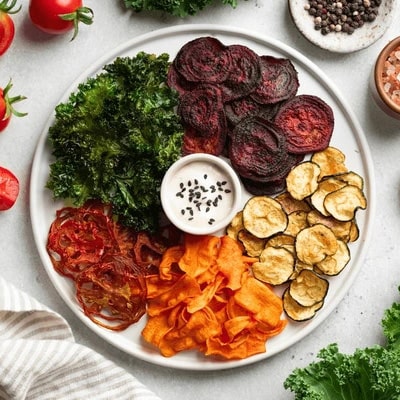
Dried Vegetables
View Products
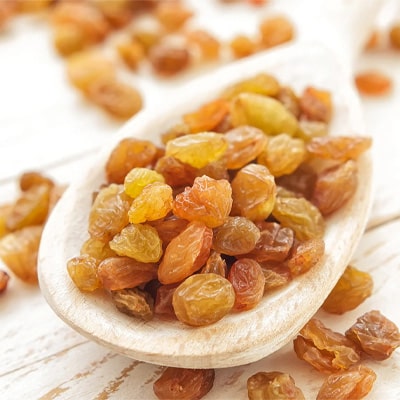
Raisin
View Products
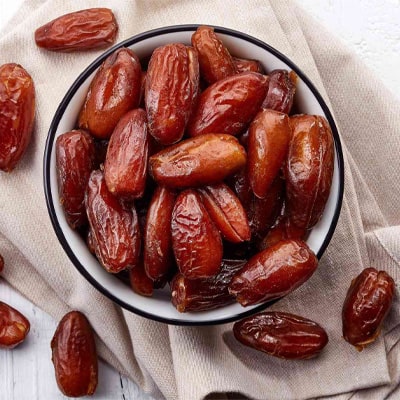
Dates
View Products
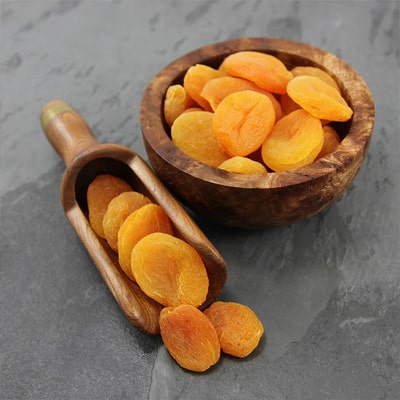
Dried Apricot
View Products
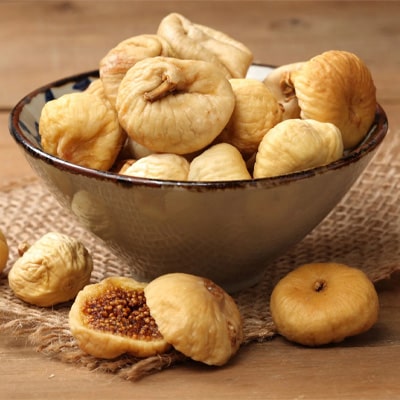
Figs
View Products

Saffron
View Products
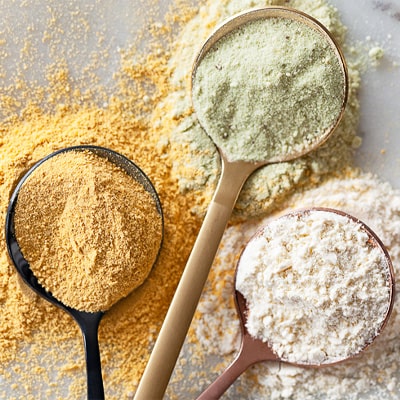
Powders
View Products
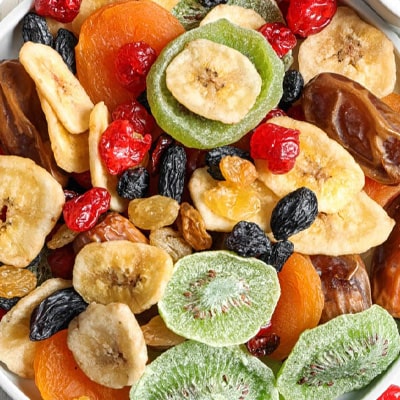
Dried Fruits
View Products
View Products
View Products
View Products
View Products
View Products
View Products
View Products
View Products
View Products
View Products
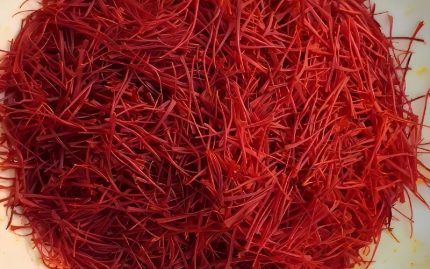


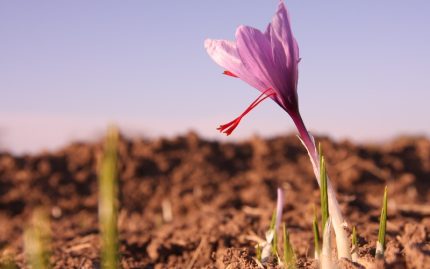
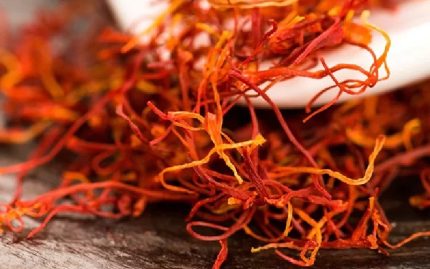
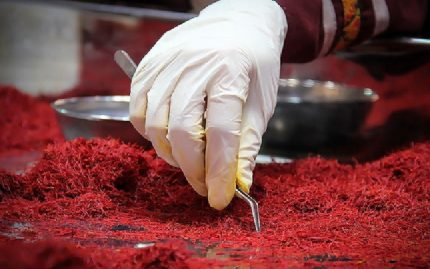
PRODUCT SUMMARY | |
Product | Saffron |
Grade | Just A |
Pesticide Residue | Free |
Ochratoxin | Free |
Quality | RTU AAA & 100% Ready to Use & Carefully Handpicked |
Origin | Iran |
Hs Code | 091020 |
PHYSICAL CHARACTERISTICS | |
Form | Dried Stigma & Powder |
Cultivation Type | Common |
Ingredient Type | Vegetarian |
Drying Method | Dehydrated |
Storage Method | Normal |
Processing Type | Raw |
Color | Red to Dark Red |
Style | Saffron in Cut Filament, Saffron in Filament, Saffron in Powder Form |
Flavor | Natural |
Taste | Natural |
Smell | Naturally Saffron Aroma Without Any Foreign Smell or Off- Odor |
Consistency | Firm, Not Sticky, Free-Flowing |
Saffron in | TYPES | |||
Style | Product Name | Description | Color Strength | |
Cut Filament
| Negin | All Red, Highest Quality, The Longer & Thicker Stigma than Sargol Saffron | 220-270 USP | |
Sargol (Coupe) | All Red ,Top Red Part of Stigma | 190-210 USP | ||
Filament | Pushal ( Mancha) | Red Stigmas With 2 – 5 mm Yellow Style Stigma | 180 – 200 USP | |
Bunch (Dasteh) | Whole Natural Threads ,Stigma & Style, Red &White-Yellow Parts | 140-160 USP | ||
Powder | Powder | Crushing/Grinding The Stigmas in an Enclosed & in Frigid Temperatures According to Usages |
| |
NUTRITIONAL VALUE | ||
Principle | ||
| Nutrient Value | Percentage of RDA |
Energy | 310 Kcal | 15.5% |
Carbohydrates | 65.37 g | 50% |
Protein | 11.43 g | 21% |
Total Fat | 5.85 g | 29% |
Cholesterol | BLQ |
|
Dietary Fiber | 3.9 g | 10% |
Electrolytes | ||
Sodium | 148 mg | 10% |
Potassium | 1724 mg | 37% |
Minerals | ||
Calcium | 111 mg | 11% |
Copper | 0.328 mg | 37% |
Iron | 11.10 mg | 139% |
Magnesium | 264 mg | 66% |
Manganese | 28.408 mg | 1235% |
Phosphorus | 252 mg | 36% |
Selenium | 5.6 µg | 10% |
Zinc | 1.09 mg | 10% |
Package | |
Bulk | Consumer pack |
Metal Tin | Metal Tin & Paper Bag & Crystal Jar |
500g & 1000g | 0.5g, 1g, 2g, 3g,5g,10g,15g,20g to 100g |
Quality | Raw & Vegan, All Natural, No Additives, No Preservatives, No Added Sugar, No Added Salt, No Added Colors, No Add Flavors, Gluten Free, GMO Free |
Usage | Direct Consumption & Industry |
Storage Conditions | Keep in Cool & Dry Ambient, Store Away from Sources of Strong Odors or Which May Breed Insect. Rotate Stocks By Using Oldest First |
Shelf Life | 24 Months |
Available | The Whole Year |
OEM | Possible |
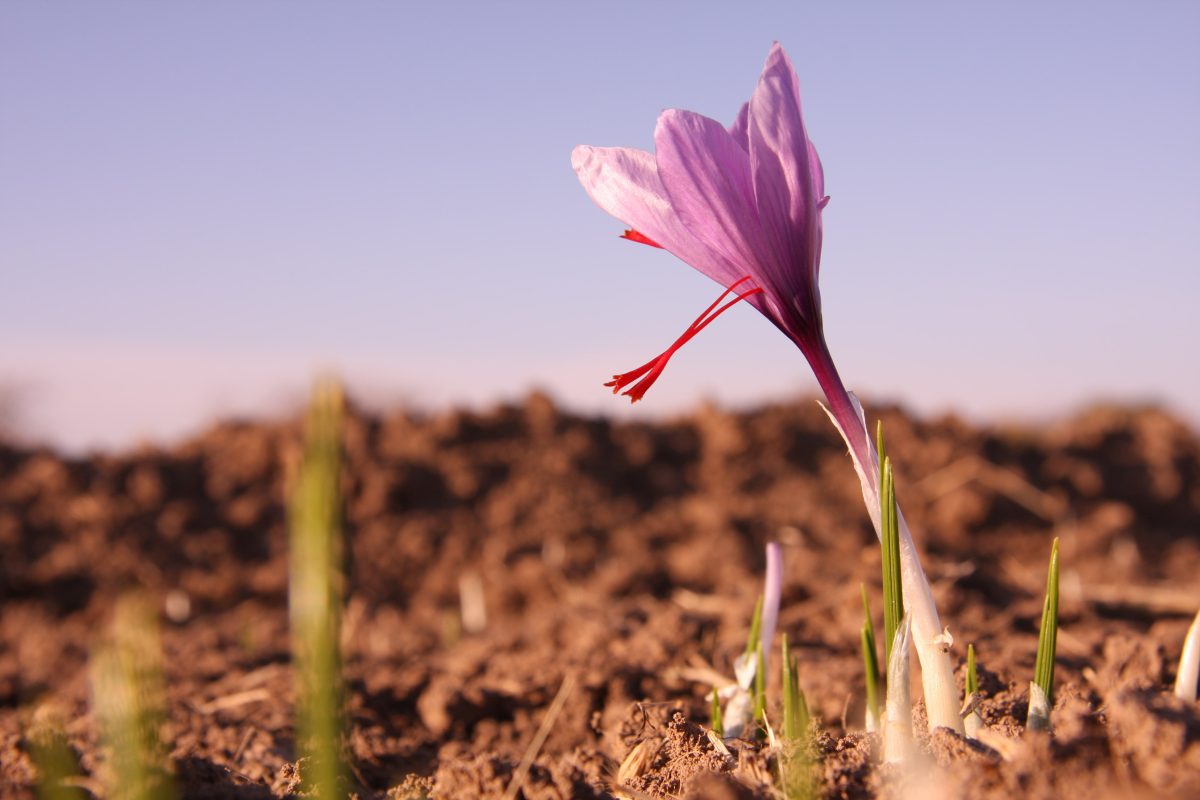
Iranian saffron, often called the "red gold," dominates global saffron production. Accounting for over 90% of worldwide output, it is prized for its vivid color, intense aroma, and culinary versatility.
Understanding its grades, pricing, and export potential provides traders, chefs, and consumers with critical insight for sourcing high-quality saffron. This guide offers a comprehensive look at Iranian saffron, from cultivation to international trade, and explains how to make informed decisions when purchasing or exporting.
If you're looking for a reliable source of Iranian saffron with stable pricing and export-ready quality, you're in the right place.
We supply different grades of saffron including Sargol, Pushal, and Super Negin, suitable for wholesalers, importers, food brands, and distributors. Our focus is on consistent quality, transparent pricing, and long-term cooperation.
Get today's certified Iranian saffron price and a free wholesale quote — no minimum commitment required. [Request Wholesale Quote → WhatsApp/ Email ]
Prices below are updated monthly and reflect current market conditions as of July 2026.
Saffron prices vary depending on grade, harvest quality, and order volume. Below is a realistic range based on current market conditions:
| Grade | Price per Gram | Price per KG |
|---|---|---|
| Pushal Saffron | $1.40 – $1.90 | $1,200 – $1,500 |
| Sargol Saffron | $1.80 – $2.40 | $1,500 – $1,900 |
| Super Negin | $2.50 – $3.20 | $1,900 – $2,400 |
For bulk orders, pricing becomes more competitive depending on quantity and packaging.
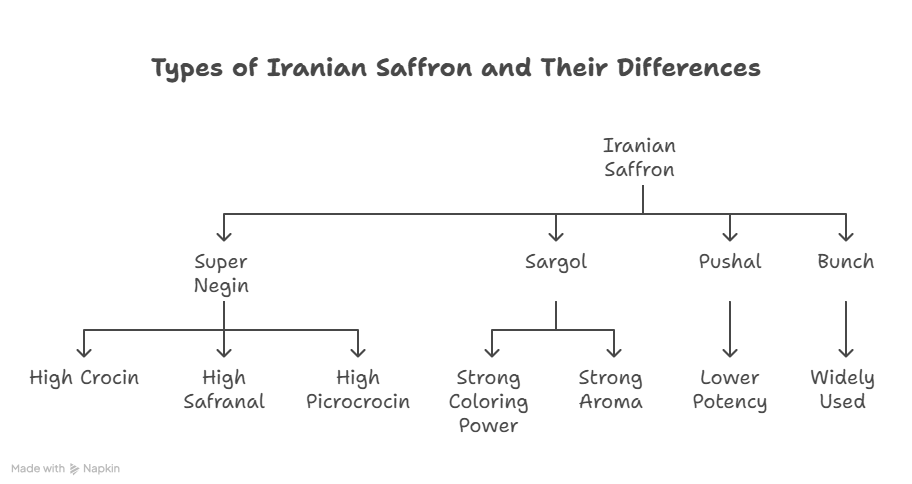
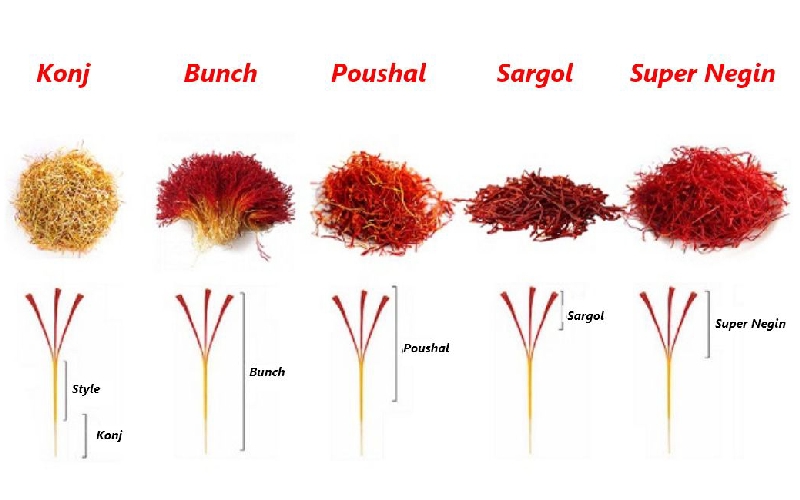
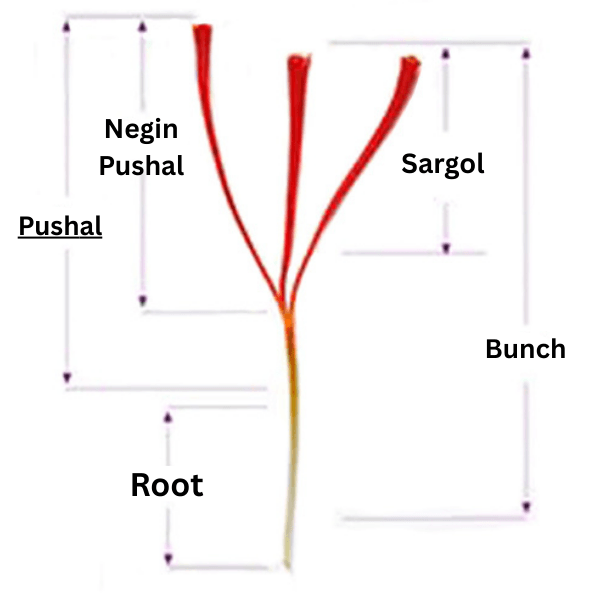
Iranian saffron is categorized into several grades based on the length, purity, and chemical composition of the stigmas.
The premium grade features long, thick threads with intense color. It contains high levels of crocin, safranal, and picrocrocin, giving it superior flavor, aroma, and visual appeal.
Sargol consists of only the red stigmas, trimmed from the yellow styles. It delivers strong coloring power and aroma, making it ideal for culinary and medicinal uses.
Pushal includes the red stigmas with a small portion of yellow styles. It offers slightly lower potency but remains popular for everyday cooking.
Bunch saffron is composed of stigmas with attached styles. Though less intense than higher grades, it is widely used in retail and bulk packaging.
Domestic prices are generally lower than export prices due to logistics and packaging differences.
Prices increase after export due to taxes, packaging, and distribution.
India
Germany
We supply saffron in different formats depending on your business needs:
Minimum order usually starts from 1 kg for export shipments.
| Grade | Thread Length | Color Strength | Aroma Level | Best Use |
|---|---|---|---|---|
| Super Negin | Longest | Very High | Strong | Luxury culinary, export |
| Sargol | Short, dense | High | Strong | Culinary, export |
| Pushal | Medium | Medium-High | Medium | Daily use, culinary |
| Bunch | Mixed | Medium | Medium | Traditional & retail sales |
For international buyers, Super Negin and Sargol are the most sought-after. Their consistency, chemical concentration, and appearance make them suitable for premium culinary markets and large-scale exports.
| Grade | Thread Length | Crocin (Color) | Safranal (Aroma) | Picrocrocin (Taste) | Best Use |
|---|---|---|---|---|---|
| Super Negin | Longest | 220+ | 90–100 | 80–90 | Luxury, premium export |
| Negin | Long | 210–220 | 85–95 | 75–85 | Export, professional culinary |
| Sargol | Short & dense | 200–220 | 80–90 | 70–80 | Culinary, export |
| Pushal | Medium | 180–200 | 70–85 | 60–75 | Everyday cooking |
| Bunch | Mixed | 150–180 | 60–75 | 50–65 | Traditional retail |
Several elements influence pricing:
Purchasing saffron in bulk requires attention to packaging standards, moisture content, and compliance with export regulations. Maintaining airtight, dark containers ensures freshness and protects the saffron during transit.
| Purchase Type | Price (USD) | Unit | Notes |
|---|---|---|---|
| Iranian Wholesale | $1.61 – $1.67 | per gram | Bulk orders 1 kg+ |
| Tehran Daily Market | $1.53 | per gram | Local retail pricing |
| Export / Bulk Orders | $1,100 – $1,500 | per kg | 1 kg+ shipment, certified |
Several reputable brands have established credibility in domestic and international markets. These brands adhere to ISO 3632 standards, ensuring that their products meet chemical composition and quality benchmarks. Pinkstar sources and grades its saffron according to these same international quality benchmarks, giving buyers a verifiable standard to compare against.
Global demand is strongest in Europe, the United States, and East Asia. Understanding import regulations, labeling requirements, and market trends is crucial for successful trade and sustained relationships with distributors.
Its high concentration of crocin, safranal, and picrocrocin results in richer color, aroma, and flavor compared to other saffron-producing countries.
Authentic Iranian saffron should have a deep red color with little to no yellow style content (depending on grade), a strong distinct aroma (not a faint or musty smell), and a slightly bitter taste when chewed. For bulk purchases, request an ISO 3632 lab test report, which measures crocin (color), picrocrocin (taste), and safranal (aroma) levels, along with a certificate of origin and phytosanitary documentation from the supplier.
Sargol and Pushal are the most commonly used grades for everyday and professional cooking, offering strong color and aroma at a more accessible price point. Super Negin is typically reserved for high-end culinary applications and premium retail products where maximum potency and visual appeal are required.
As of July 2026, domestic Iranian saffron prices range from approximately $1.50 to $2.30 per gram at the farm and wholesale level, depending on grade. Export-quality saffron can reach up to $3.20 per gram. See the pricing table above for a full grade-by-grade breakdown.
Super Negin and Sargol are the preferred grades for export due to their consistent quality, high concentration of active compounds, and strong demand in international markets such as Europe, the U.S., and East Asia.
Wholesale export prices for Iranian saffron typically range from $1,100 to $1,500 per kg for certified bulk orders of 1 kg or more, varying by grade (Pushal, Sargol, or Super Negin) and order volume.
Iranian saffron, particularly Super Negin and Sargol grades, generally offers a higher concentration of crocin, safranal, and picrocrocin at a more competitive price point. Kashmiri saffron is prized for its own distinct qualities and commands a premium price largely due to limited production volume, but Iranian saffron remains the global benchmark due to its scale, consistency, and recognized quality standards.