Pistachio
View Products
Frozen Drieds
View Products
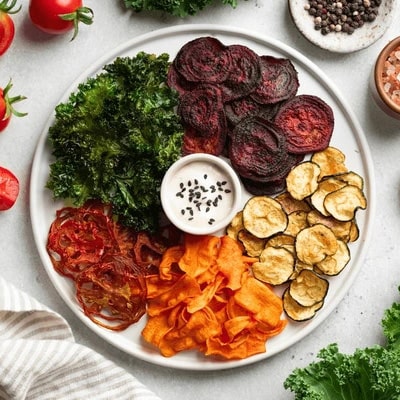
Dried Vegetables
View Products
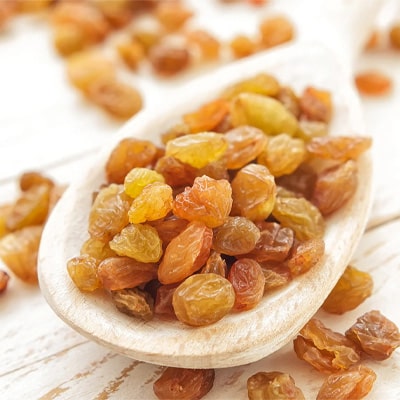
Raisin
View Products
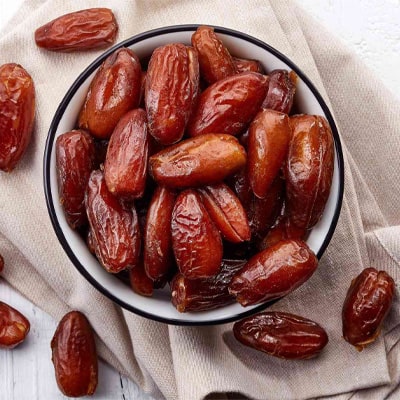
Dates
View Products
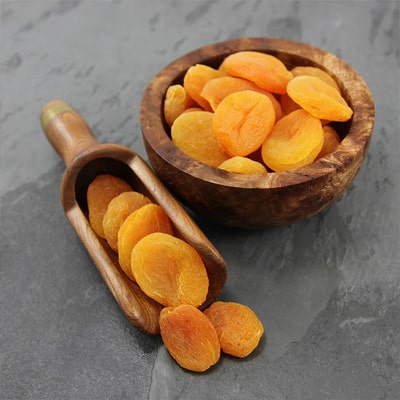
Dried Apricot
View Products
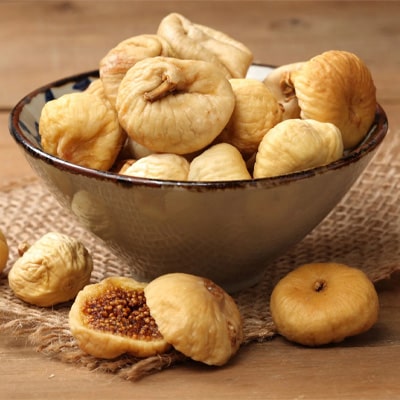
Figs
View Products

Saffron
View Products
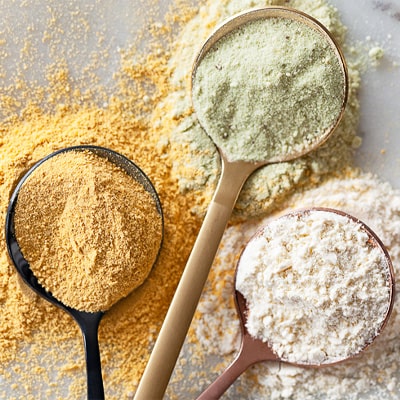
Powders
View Products
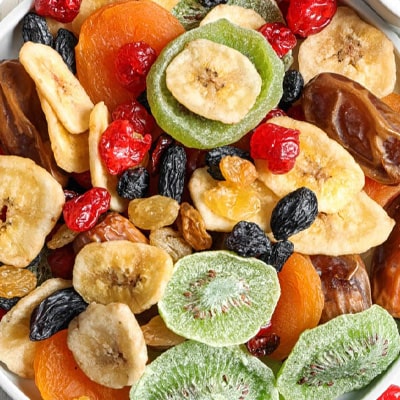
Dried Fruits
View Products
View Products
View Products
View Products
View Products
View Products
View Products
View Products
View Products
View Products
View Products

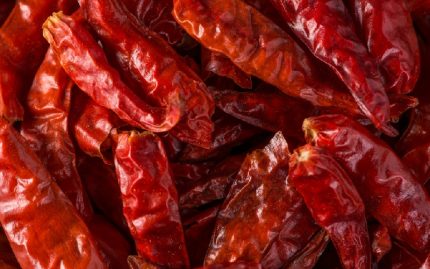
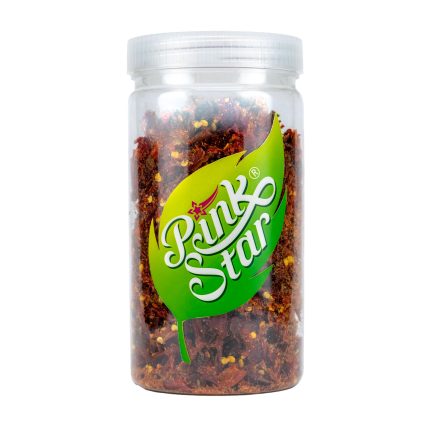
PRODUCT SUMMARY | |
Product | Dried Vegetable |
Grade | Excellent |
Pesticide Residue | Free |
Ochratoxin | Free |
Quality | RTU AAA & 100% Ready to Use & Carefully Handpicked |
Origin | Iran |
Hs Code | 071290 |
PHYSICAL CHARACTERISTICS | |
Form | Dried |
Cultivation Type | Common |
Ingredient Type | Vegetarian |
Drying Method | Dehydrated |
Storage Method | Normal |
Processing Type | Raw |
Flavor | Natural |
Taste | Natural |
Smell | Naturally Vegetables Aroma Without Foreign Odor |
TYPES | ||||
Product | Color | Forms | Moisture | Ingredients |
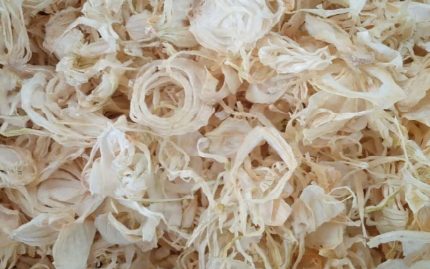
Dried Onion | White | Slice & Flakes | Max 7% | White Onion |
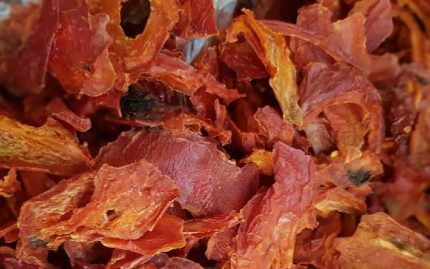
Dried Tomato | Red-Orange | Slice & Flakes | Max 8% | Red Tomato |
Dried Mushroom | White | Slice | Max 10% | White Mushroom |
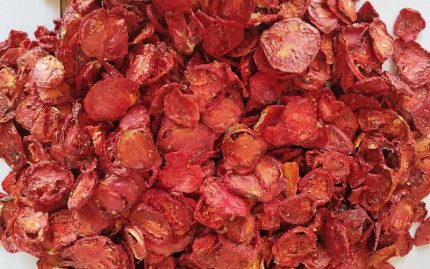
Sweet Dried Paprika | Red | Crushed & Chopped & Flakes | Max. 9% | Red Bell Pepper |
| NUTRITIONAL VALUE | ||||||||
| Product | Energy | Total Fat | Saturated Fat | Carbohydrate | Sugars | Dietary Fiber | Proteins | Sodium |
| Dried Onion | 34Cal | 0.4gr | BLQ | 84mg | 38gr | 9.2mg | BLQ | 22mg |
| Dried Tomato | 260Cal | 3gr | 0.5gr | 55gr | 37.5gr | 12.5gr | 14gr | 105mg |
| Dried Mushroom | 22Cal | 0.3g | 0.1gr | 3.3gr | 2gr | 1gr | 3.1gr | 5mg |
| Dried Paprika | 240Cal | BLQ | BLQ | 48g | 34gr | 17gr | 7gr | 34mg |
PRODUCTION PROCESS |
|
|
|
|
|
|
|
PACKAGE | ||||||
| Cardboard Box | Plastic | Stand-up Pouch | |||
Each Package Net Weight | 10kg | 100g | Box | Box | Cylindrical | 500g |
250g | 500g | 500g | ||||
Each Package Gross Weight | 10.5 kg | 120g | 280g | 550g | 580g | 520g |
No. of Pieces in per Small Box |
| – | – | – | – | – |
No. of Packs per Master Carton |
| 24 | 24 | 15 | 8 | 14 |
Master Carton Net Weight |
| 2.4kg | 6kg | 7.5kg | 4kg | 7kg |
Master Carton Gross Weight |
| 3.5kg | 7.3kg | 9kg | 5.2kg | 8kg |
No. of Master Carton in Normal 20ft(+/-5%) | 2,050 | 2,850 | 1,900 | 1,500 | 1,900 | 900 |
No. of Master Carton in Normal 40ft(+/-5%) |
| – | 4,100 | 3,100 | 4,100 | 1,850 |
Quality | Raw & Vegan, All Natural, No Additives, No Preservatives, No Added Sugar, No Added Salt, No Added Colors, No Add Flavors, Gluten Free, GMO Free |
Usage | Direct Consumption & Industry |
Storage Conditions | Store Tightly Sealed In A Dry Location Away From Sunlight |
Shelf Life | 24 Months |
Available | The Whole Year |
Shipment | Dry Container(20ft & 40ft) |
OEM | Possible |
Onions are a key ingredient in kitchens worldwide, celebrated for their rich flavor and versatility in a wide range of dishes. Whether fresh or dried, they add depth and complexity to soups, stews, meats, salads, and sauces. However, fresh onions may not always be available, and sometimes a recipe calls for a convenient, long-lasting alternative. This is where dried onion and onion powder come in.
Created by dehydrating fresh onions and either keeping them in larger pieces or grinding them into a fine powder, these products capture the distinct onion flavor in a more convenient form. Both dried onion and onion powder are pantry essentials in many households and professional kitchens, prized for their ability to deliver intense flavor with ease.
In this article, we’ll explore the production process, nutritional benefits, culinary applications, and health advantages of dried onions and onion powder, showcasing why they’re indispensable in the kitchen.
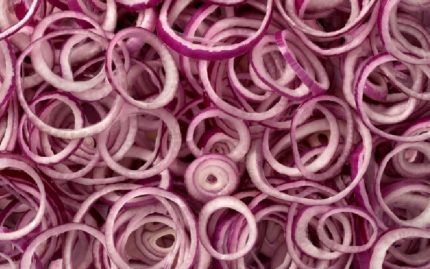
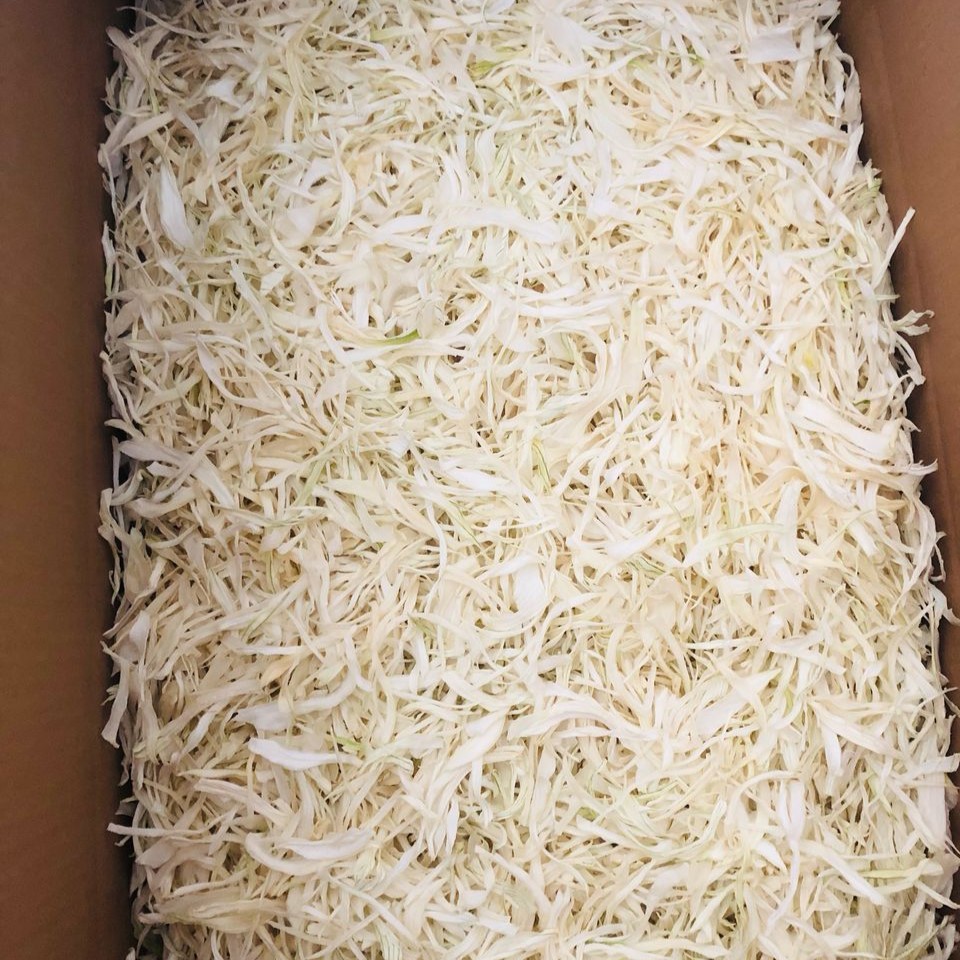
The process of making dried onions begins with selecting fresh, high-quality onions. These onions are typically peeled, sliced, and then subjected to a drying method such as air drying, sun drying, or freeze-drying. The most common technique is air drying at low temperatures in a controlled environment.
The drying process increases shelf life and preserves flavor, making dried onions an ideal pantry item.
Despite being dehydrated, dried onions and onion powder retain many nutritional benefits:
Dried onion and onion powder are versatile kitchen staples with many uses:
When it comes to choosing dried onion and onion powder, quality matters. Delmast offers high-quality products that preserve the flavor and nutrients of fresh onions. Whether you’re preparing everyday meals or gourmet dishes, Delmast’s onion products are the perfect pantry addition. Experience the health benefits and culinary flexibility with Delmast’s premium dried onion and onion powder.
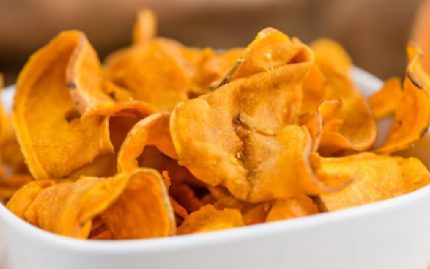
Dried pumpkin is a highly nutritious and versatile food that can be incorporated into a wide variety of dishes, making it an excellent choice for those looking to boost their diet or experiment with new culinary ideas. Made by removing moisture from fresh pumpkin, dried pumpkin retains much of the flavor and nutritional content of its fresh counterpart, making it a fantastic ingredient for both savory and sweet recipes. Known for its vibrant orange color, rich flavor, and many health benefits, dried pumpkin is increasingly gaining popularity among those seeking convenient, nutrient-dense foods.
Pumpkin, in its many forms, has been cherished for centuries due to its incredible health benefits, delicious taste, and adaptability in the kitchen. When dehydrated, pumpkin becomes a convenient option for those looking to enjoy its nutritional value all year round, even when fresh pumpkins are out of season. Dried pumpkin is an excellent source of fiber, vitamins, and minerals, and can easily be added to soups, stews, smoothies, baked goods, and snacks. Whether you’re a health-conscious individual looking for ways to boost your diet or a culinary enthusiast searching for new ingredients to experiment with, dried pumpkin is a must-have ingredient.
In this article, we will explore the many benefits of dried pumpkin, how it is made, its nutritional profile, and how to use it in cooking. Dried pumpkin is not just a delicious food; it is considered a superfood due to its concentration of essential nutrients. From boosting your immune system to adding flavor and texture to your dishes, dried pumpkin is a powerhouse ingredient that should be a staple in your kitchen.
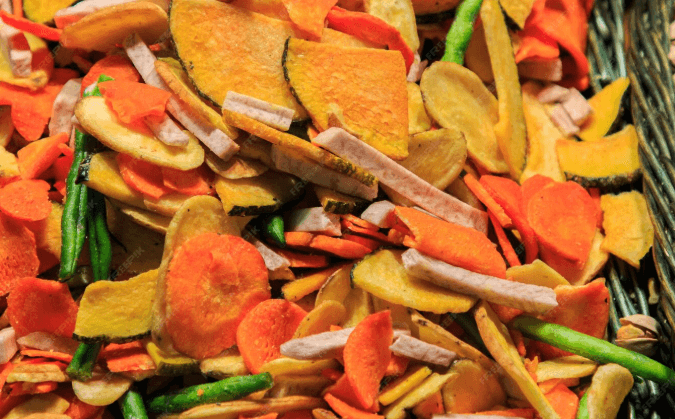
The process of making dried pumpkin begins with selecting high-quality, ripe pumpkins. These pumpkins are usually peeled, sliced, and either cut into chunks or pureed before the drying process begins. The pieces are then dehydrated through methods such as air drying, freeze drying, or sun drying. Each method ensures that the pumpkin retains its flavor, texture, and nutritional value while reducing its moisture content to less than 10%. This prevents spoilage and helps preserve the pumpkin for long-term storage.
Once dried, the pumpkin is packaged and stored in airtight containers to maintain its freshness and prevent moisture from re-entering. Dried pumpkin can be stored for several months or even longer if kept in a cool, dry place.
Dried pumpkin is a nutrient-dense food that offers a range of health benefits. Here’s a closer look at the key nutrients found in dried pumpkin:
Dried pumpkin is incredibly versatile and can be used in a variety of ways to enhance both savory and sweet dishes. Here are some creative ideas:
For high-quality dried pumpkin that retains its natural flavor, nutrients, and vibrant color, Delmast offers the perfect solution. Whether you’re looking for dried pumpkin chunks, powder, or seeds, Delmast’s premium dried pumpkin products provide the nutrition you need in a convenient and long-lasting form. With their commitment to quality and sustainability, Delmast ensures that you get the best dried pumpkin for all your culinary and health needs. Choose Delmast for a natural, nutritious, and versatile superfood to enhance your diet and lifestyle.
Tomatoes are one of the most widely used and loved ingredients in kitchens around the world. Known for their vibrant color, sweet yet tangy flavor, and versatility, tomatoes are a key component in countless dishes, from sauces and soups to salads and stews. While fresh tomatoes are a staple, Dried Tomato offer a convenient, shelf-stable alternative that packs a punch of flavor and nutrition.
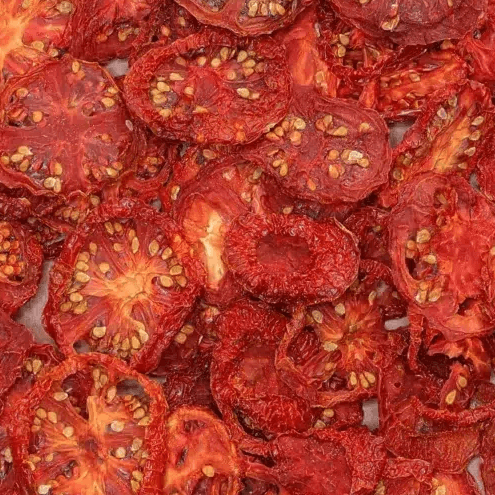
Dried Tomato are made by removing the water content from fresh tomatoes, concentrating their flavor, and preserving their nutrients. Dried tomatoes are created by dehydrating fresh tomatoes, which removes most of their water content while keeping their rich flavor, vitamins, and minerals intact. Whether sun-dried or oven-dried, these tomatoes can be rehydrated or used as-is, adding a chewy texture and concentrated taste to dishes. Tomato Powder, on the other hand, is made by grinding dehydrated tomatoes into a fine powder, making it an ideal seasoning or flavor booster for various recipes.
Both Dried Tomato bring an intense, rich taste that enhances a wide range of meals, offering a convenient way to enjoy the flavor of fresh tomatoes without the extra moisture. In this article, we will explore the numerous benefits of these tomato products, their nutritional content, and ways to incorporate them into your diet for added flavor and health.
Dried Tomato retain much of the nutritional value of fresh tomatoes, offering a concentrated dose of vitamins, minerals, and antioxidants. Here are the key components of these tomato products:
Dried Tomato are rich in antioxidants, particularly lycopene, which gives tomatoes their red color. Lycopene is a potent antioxidant known for its ability to neutralize harmful free radicals in the body, helping to reduce oxidative stress and inflammation. Regular consumption of lycopene-rich foods may lower the risk of chronic diseases such as heart disease, cancer, and diabetes.
Dried Tomato are low-calorie, fat-free options that can enhance the flavor of meals without adding significant calories or fat. This makes them a healthy option for those looking to manage their weight or reduce fat intake.
The lycopene in Dried Tomato is particularly beneficial for heart health. Lycopene has been shown to lower levels of LDL (bad) cholesterol and reduce the risk of heart disease. Additionally, the potassium content helps regulate blood pressure, further supporting cardiovascular health.
The high levels of vitamin C in Dried Tomato help strengthen the immune system, making them a great addition to your diet, especially during cold and flu season. Vitamin C also plays a vital role in collagen production, promoting healthy skin and wound healing.
Tomatoes are a good source of dietary fiber, which promotes healthy digestion by preventing constipation and supporting regular bowel movements. The fiber in Dried Tomato helps keep the digestive system running smoothly, while the antioxidants can help reduce inflammation in the gut.
The vitamin A and lycopene in Dried Tomato contribute to healthy skin by protecting it from damage caused by UV radiation and pollution. Lycopene also helps reduce the appearance of wrinkles and signs of aging, keeping the skin youthful and glowing.
Dried Tomato are low in calories and fat, making them an excellent option for those looking to maintain or lose weight. Their high fiber content helps increase feelings of fullness, reducing the likelihood of overeating and snacking between meals.
Dried Tomato are incredibly versatile and can be used in a variety of ways to enhance the flavor of your meals. Here are some ideas for incorporating them into your diet:
Yes, Dried Tomato are incredibly healthy and packed with beneficial nutrients. They are rich in vitamins, antioxidants, and fiber, making them a great choice for supporting heart health, boosting the immune system, promoting skin health, and aiding digestion. These tomato products offer all the flavor of fresh tomatoes while being more shelf-stable and convenient for use in cooking.
To store dried tomatoes, keep them in an airtight container in a cool, dry place, away from sunlight. If you plan to rehydrate them, soak them in water for about 20-30 minutes. Dried tomatoes can last for several months when stored properly. Dried Tomato should be kept in an airtight container in a cool, dark place to preserve its flavor and nutrients. When stored correctly, it can last for up to a year.
When it comes to the finest Dried Tomato, Delmast offers top-quality products that bring exceptional flavor and nutrition to your kitchen. Handpicked and processed with care, Delmast’s Dried Tomato provide rich, intense flavor that elevates your meals while offering a wide range of health benefits. Whether you’re cooking a savory dish, adding flavor to a salad, or creating a homemade sauce, Delmast’s Dried Tomato are the perfect choice for all your culinary needs. Choose Delmast for premium-quality tomato products that enhance your cooking and health.
Paprika is a vibrant, red spice derived from grinding dried peppers, primarily from the Capsicum annuum variety. Known for its rich color and mild-to-moderate heat, paprika is a common ingredient in many cuisines worldwide, adding depth and complexity to dishes. Whether used in its whole form as dried peppers or in powdered form as Paprika, this spice plays a vital role in both cooking and health.
More than just a flavorful spice, paprika is also a powerhouse of nutrients. Rich in antioxidants, vitamins, and minerals, paprika enhances both the taste and nutritional profile of countless dishes. From soups and stews to meats, vegetables, and even snacks, paprika provides a burst of flavor while contributing to your overall health.
In this article, we will explore the various types of paprika, the nutritional benefits of Paprika, its health advantages, and how you can incorporate this spice into your daily diet. With its ability to add color, flavor, and nutrients, paprika is a fantastic addition to any culinary creation.
There are several different varieties of paprika, each with distinct flavor characteristics. Here are the main types of paprika you might encounter:
Paprika is more than just a flavorful spice – it’s also packed with nutrients that support overall health. Here’s a look at the nutritional components of paprika:
Rich in carotenoids like beta-carotene, lutein, and zeaxanthin, paprika offers protection against oxidative stress and supports heart and eye health.
Paprika is a great way to add flavor without adding calories or fat, making it ideal for healthy diets.
Especially in hot paprika, capsaicin supports metabolism, fat burning, and has anti-inflammatory benefits.
Carotenoids in paprika protect against age-related macular degeneration and improve vision health.
High vitamin C levels enhance the immune system and promote collagen production for skin and wound healing.
Antioxidants and potassium help lower inflammation, oxidative stress, and support blood pressure control.
Paprika stimulates digestive enzymes and stomach acid production, improving digestion and nutrient absorption.
Vitamin A and C promote skin regeneration and elasticity, reducing signs of aging and enhancing glow.
Capsaicin promotes thermogenesis and appetite control, potentially aiding weight loss and fat metabolism.
Capsaicin in paprika may help reduce inflammation and act as a natural pain reliever when consumed or applied topically.
Yes, paprika is rich in essential nutrients like vitamin A, vitamin C, and antioxidants. Its low-calorie, low-fat profile makes it a smart addition to any healthy diet. It supports eye health, immune function, and aids in weight management and digestion.
Store paprika in an airtight container in a cool, dark place to preserve its flavor and nutrients. When stored properly, it retains freshness for up to six months.
When you’re looking for premium-quality paprika, Delmast offers top-tier products packed with flavor and nutrition. Sourced and processed with care, Delmast’s paprika adds exceptional taste and color to any meal. Whether seasoning meats or elevating snacks, Delmast delivers the finest paprika for your culinary needs.
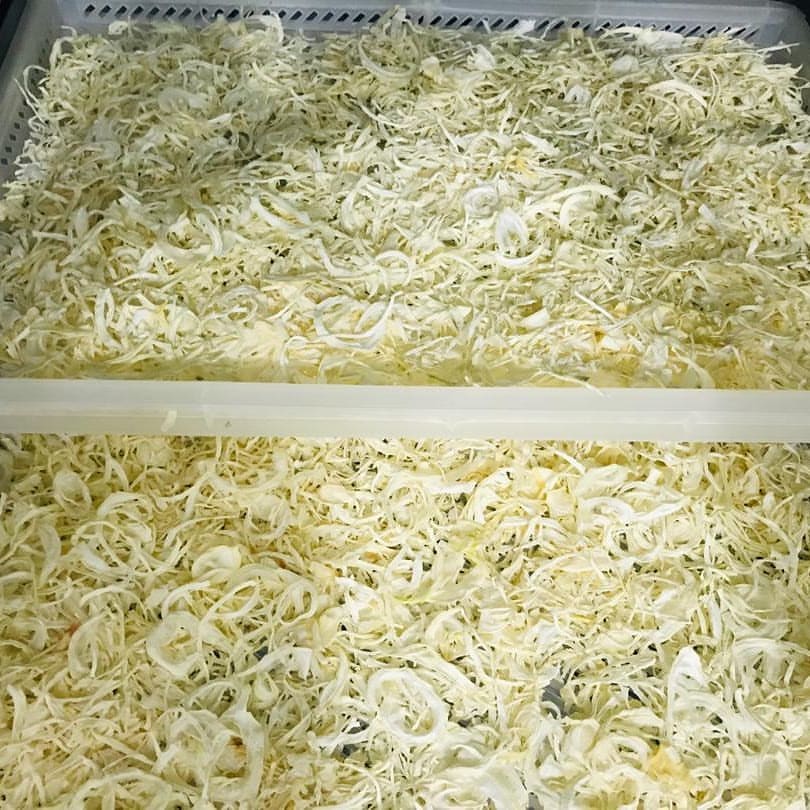
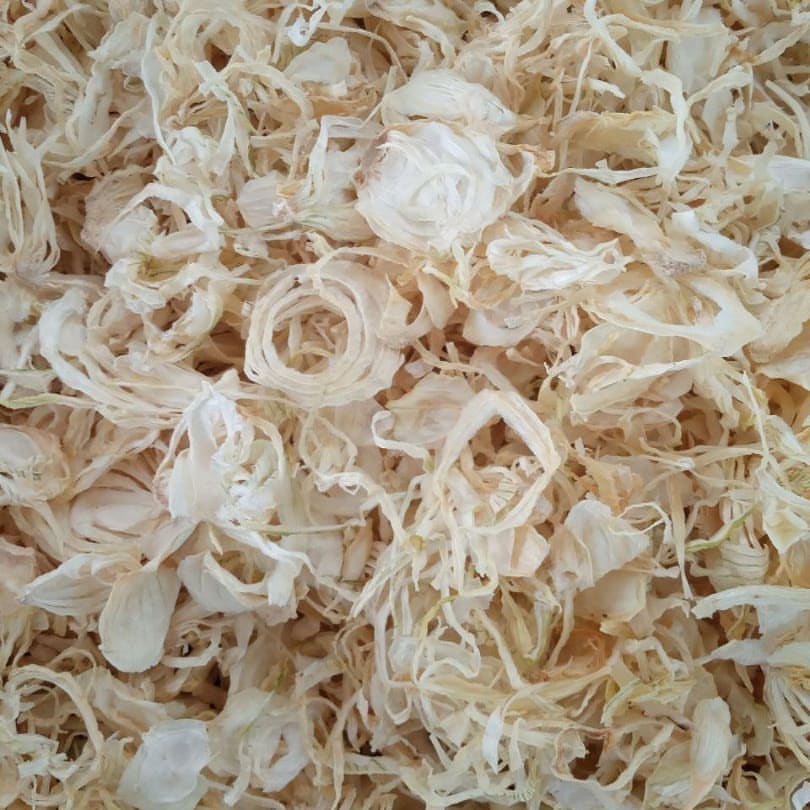

Dried vegetables play a pivotal role in global food supply chains. They offer long shelf life, concentrated nutrients, and simplified storage, making them essential for food manufacturers, wholesalers, and exporters. Understanding the varieties, quality standards, and market dynamics can significantly improve sourcing and trading decisions.
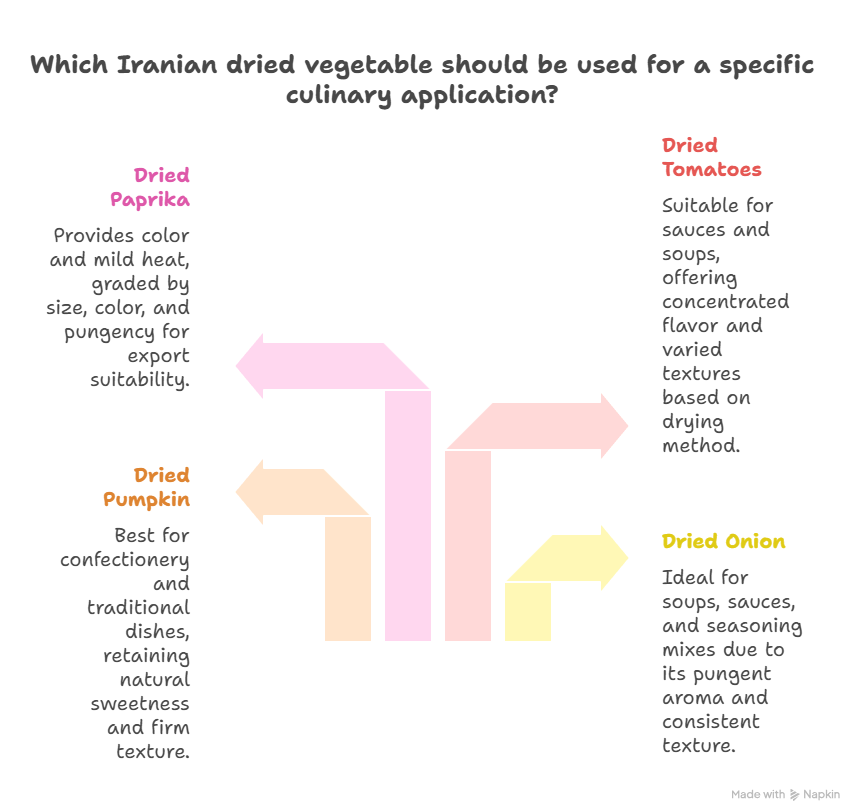
Iranian dried onions are highly regarded for their pungent aroma and consistent texture. They are often used in soups, sauces, and seasoning mixes. The drying process preserves natural flavor while reducing moisture content to less than 10 percent, ensuring longevity in storage.
Dried pumpkin retains natural sweetness and a firm texture. It is widely used in confectionery, soups, and traditional dishes. Proper dehydration prevents microbial growth and maintains color and nutritional content.
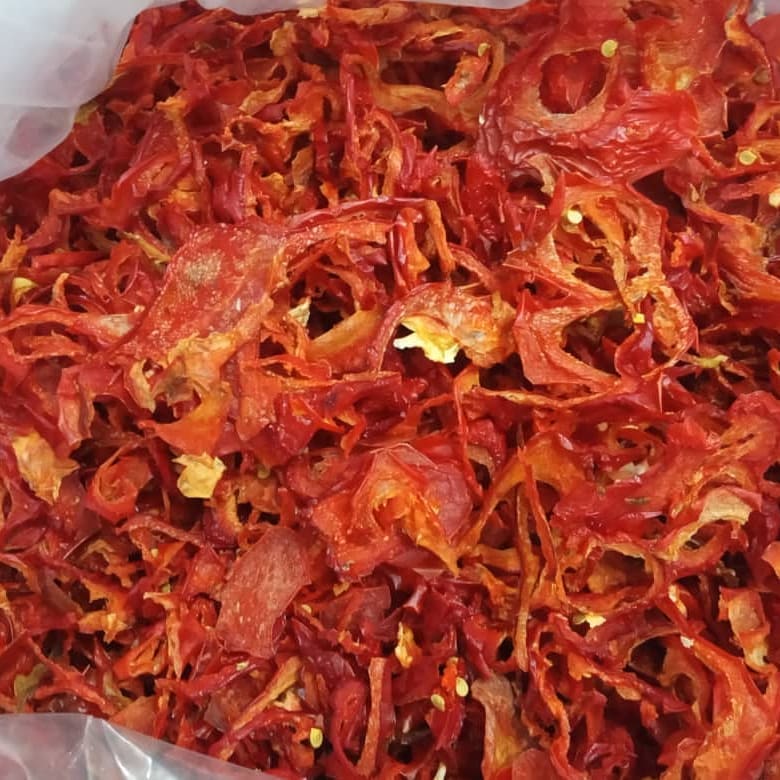
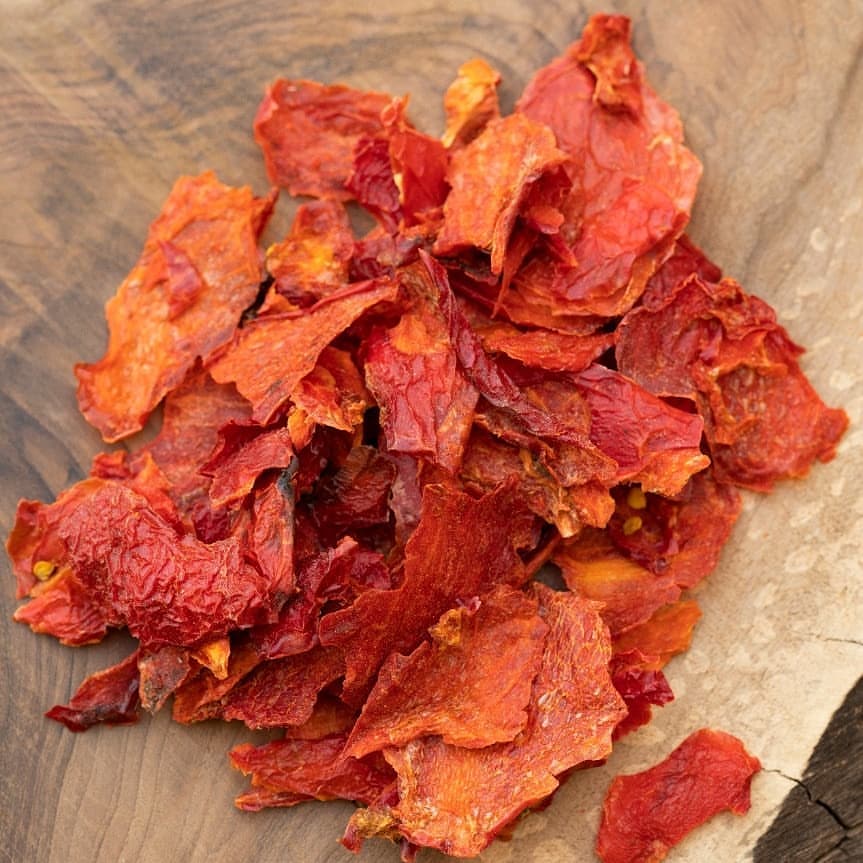
These tomatoes are concentrated in flavor, ideal for sauces, soups, and seasoning blends. Sun-dried or oven-dried techniques influence texture and color, making selection critical for culinary applications.
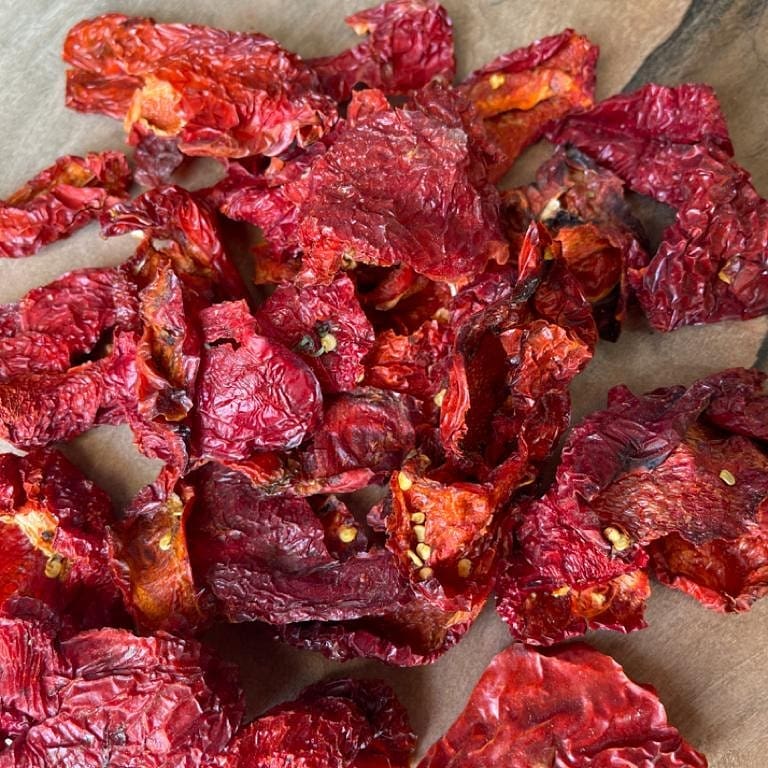
Dried paprika provides color and mild heat. It is graded by size, color, and pungency, which directly affect market value and suitability for export.
When selecting dried vegetables for bulk trade, quality consistency, origin, and processing methods are crucial. Standardized moisture content, uniform sizing, and hygienic packaging make products more attractive for international buyers.
Prices fluctuate based on season, crop yield, and demand. Domestic prices in Iran are influenced by local harvests and storage costs, while global market prices reflect international logistics, tariffs, and quality grades.
Reliable suppliers, inspection certificates, and clear contractual terms are critical. Bulk buyers should assess logistics, customs regulations, and potential market demand before committing to large orders.
Top brands prioritize consistent quality, certification, and export readiness. Aligning with reputable producers reduces risks of inferior quality and delivery delays.
Europe, the Middle East, and North America are primary destinations. Opportunities increase with quality certification, packaging innovation, and compliance with international standards. Strategic partnerships with distributors enhance market access.
Iranian onions, pumpkins, tomatoes, and paprika dominate exports due to high quality, consistency, and long shelf life.
Sun drying retains flavor and nutrients but may cause color variations, while freeze-drying ensures uniform color, texture, and extended shelf life.
Key factors include supplier reliability, quality certification, packaging standards, and compliance with import regulations in target markets.