
Pistachio
View Products

Frozen Drieds
View Products
Dried Vegetables
View Products
Raisin
View Products
Dates
View Products
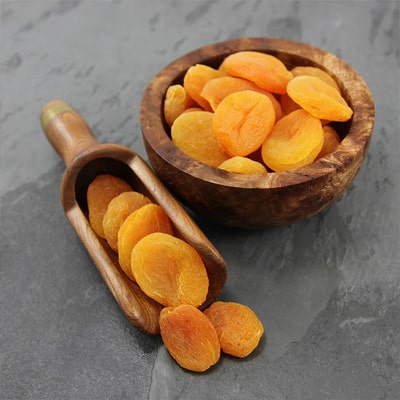
Dried Apricot
View Products
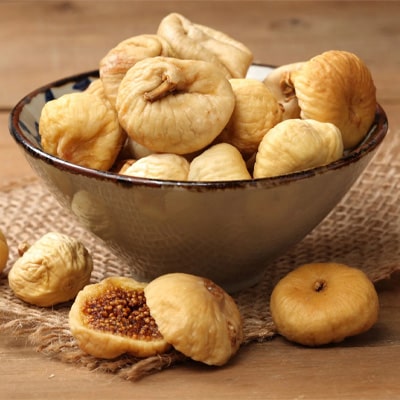
Figs
View Products

Saffron
View Products
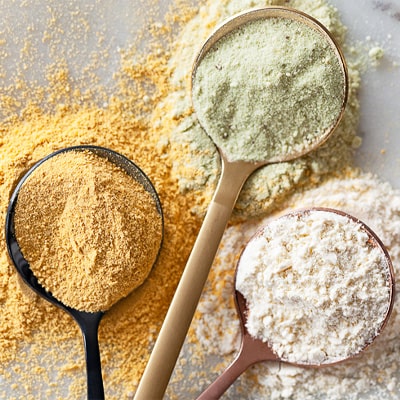
Powders
View Products
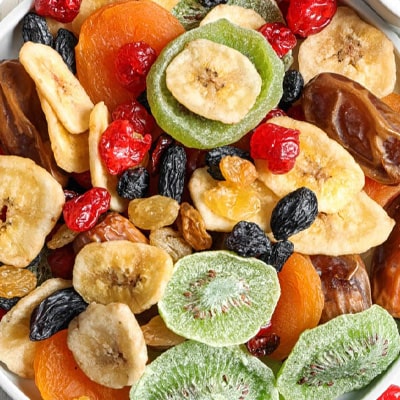
Dried Fruits
View Products
View Products
View Products
View Products
View Products
View Products
View Products
View Products
View Products
View Products
View Products
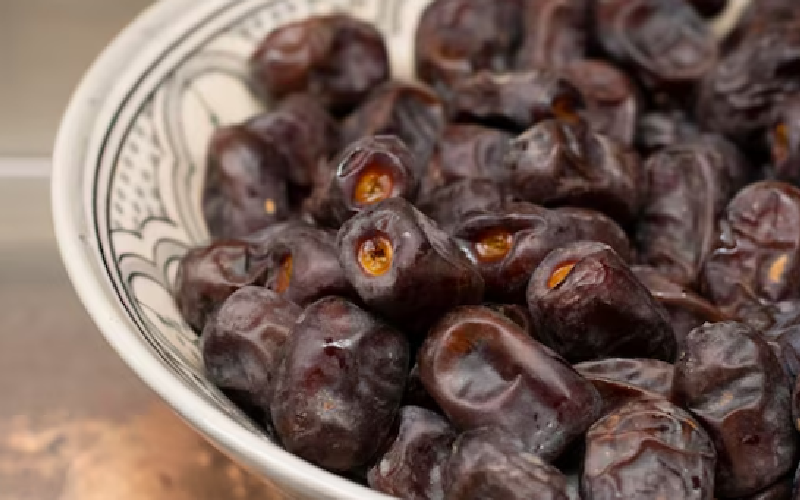
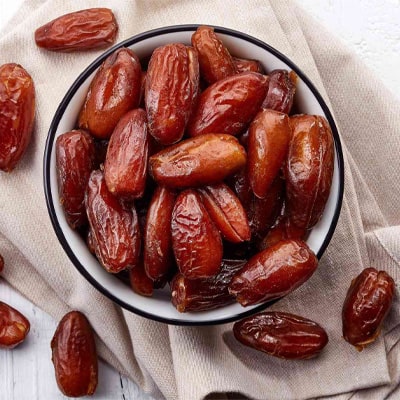
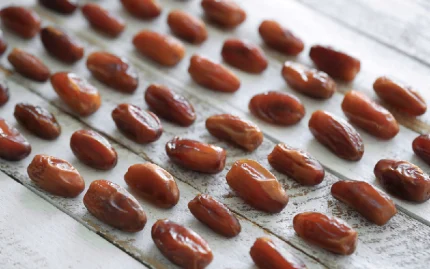
Mazafati dates, also known internationally as Kimia dates or Bam dates, are among the most famous varieties of Iranian dates. They are mainly cultivated in Bam, located in Kerman province, as well as in Jiroft and Kahnuj. Recognized for their glossy black skin, soft flesh, and naturally sweet taste, these dates are one of Iran’s most exported agricultural products.
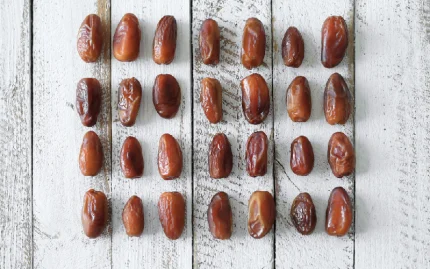
Mazafati dates are medium in size, usually measuring between 2.5 and 4.5 centimeters. Their moisture level ranges from 15 to 35 percent, giving them a soft and juicy texture. The color varies from dark brown to black, often with a shiny appearance. Harvest season occurs between August and October, when the fruit reaches its peak ripeness.
Mazafati dates are a natural source of quick energy thanks to their high concentration of natural sugars. They are also rich in fiber, which supports healthy digestion. Minerals such as potassium, magnesium, and iron make them valuable for cardiovascular and muscular health. Vitamins A, B, C, and K contribute to overall well-being. Antioxidants present in Kimia dates help protect cells against oxidative stress, making them a nutritious daily snack for both children and adults.

Pricing depends on several factors including grade (A or AA), moisture content, size, packaging type, and harvest quality. Export-quality dates are carefully sorted and stored under controlled cold-chain conditions, which increases their market value. Demand in key markets such as India, the UAE, and Southeast Asia also plays an important role in price fluctuations.
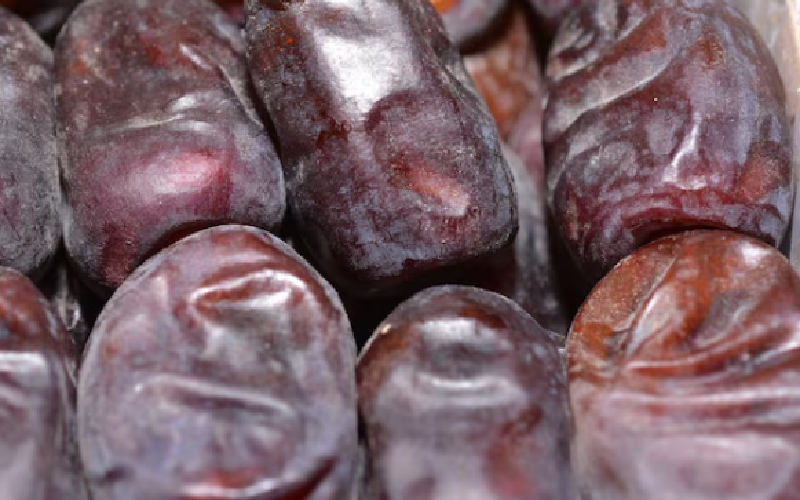
Buyers should always source Mazafati dates from reputable exporters or certified growers. Authentic Kimia dates have a uniform dark color, soft and juicy texture, and should not show signs of crystallized sugar on the skin. For importers, checking certificates of origin and quality documentation is essential to ensure authenticity and compliance with international standards.
Mazafati dates require cold storage to maintain their freshness. When kept at 0 to 5 °C, they can last up to one year. Freezing at –5 °C can extend their shelf life to nearly two years. Packaging options vary from 500-gram retail boxes to 5-kilogram wholesale cartons. Many exporters offer private-label packaging for retailers who want to market the product under their own brand.
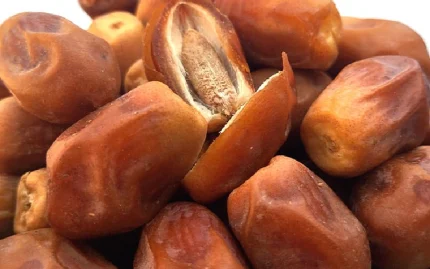
Mazafati dates differ from other well-known varieties such as Medjool and Deglet Noor. Medjool dates are larger and drier, making them chewier, while Deglet Noor dates are firm and less moist, often used in baking. Mazafati dates, on the other hand, are softer, juicier, and best enjoyed fresh. This unique softness has earned them the reputation of being the “queen of soft dates.”
Iran leads in the export of Mazafati dates, supplying international markets with high-quality products. Exporters ensure strict quality control, cold storage logistics, and flexible packaging to meet customer demands. Many importers prefer Mazafati dates for private-label branding due to their premium recognition in global markets.
Mazafati dates combine excellent taste, high nutritional value, and global demand. They are suitable for direct consumption, as well as for use in smoothies, desserts, and gourmet dishes. For importers and wholesalers, their long shelf life under proper storage conditions and strong market appeal make them a reliable and profitable investment.
Yes. Mazafati is the local Iranian name, while Kimia is the international trade name. Both refer to the same variety of date.
They should be stored at 0 to 5 °C for up to one year. For longer preservation, freezing at –5 °C can keep them fresh for nearly two years.
Medjool dates are larger and firmer, while Mazafati dates are smaller, softer, and juicier. Medjool is often used as a luxury dried fruit, while Mazafati is favored for its freshness and tenderness.





REMONA –
Do Mazafati (Kimia) dates absolutely require cold storage during transport? I’m planning shipments to Europe and want to avoid any quality loss.
PAgy@58K21R –
Yes—Mazafati/Kimia dates are high-moisture and should be stored at 0–5°C during transit. Without cold-chain logistics, the texture becomes sticky and fermented flavors may develop within weeks.