
Pistachio
View Products

Frozen Drieds
View Products
Dried Vegetables
View Products
Raisin
View Products
Dates
View Products
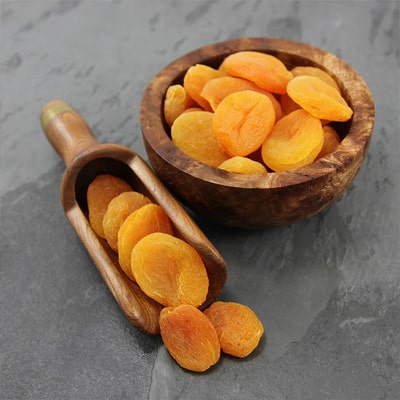
Dried Apricot
View Products
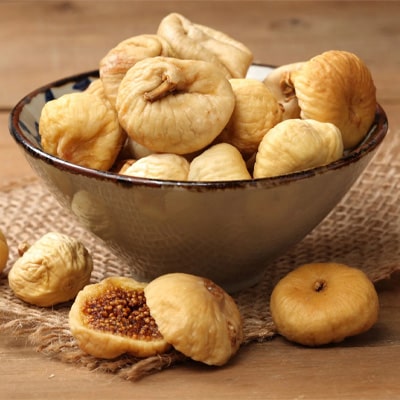
Figs
View Products

Saffron
View Products
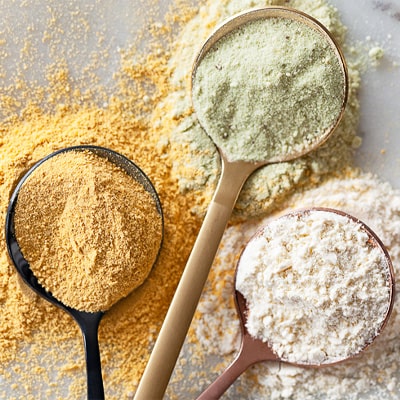
Powders
View Products
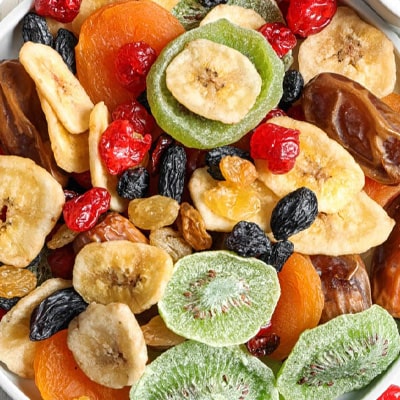
Dried Fruits
View Products
View Products
View Products
View Products
View Products
View Products
View Products
View Products
View Products
View Products
View Products
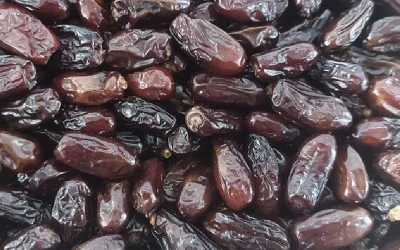
What if one fruit could combine long shelf life, rich nutrition, and global trade value? Rabbi dates stand out as one of Iran’s most important semi-dry date varieties, sought after for both taste and commercial potential. This article explains what Rabbi dates are, their characteristics, health value, market price, and why they have become a preferred choice for wholesale buyers and exporters. By the end, you will understand not only the qualities of Rabbi dates but also how to source and trade them effectively.
Rabbi dates belong to the Phoenix dactylifera family and are primarily cultivated in Iran’s Sistan and Baluchestan province, especially in Zabol, Iranshahr, and Saravan. As a semi-dry variety, they contain less moisture compared to soft dates such as Mazafati, giving them a longer shelf life without requiring refrigeration. Their availability from late summer makes them one of the earliest harvested dates of the season.
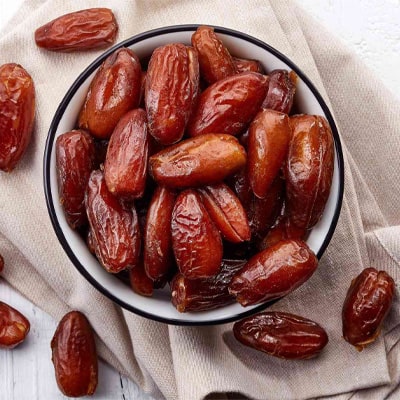
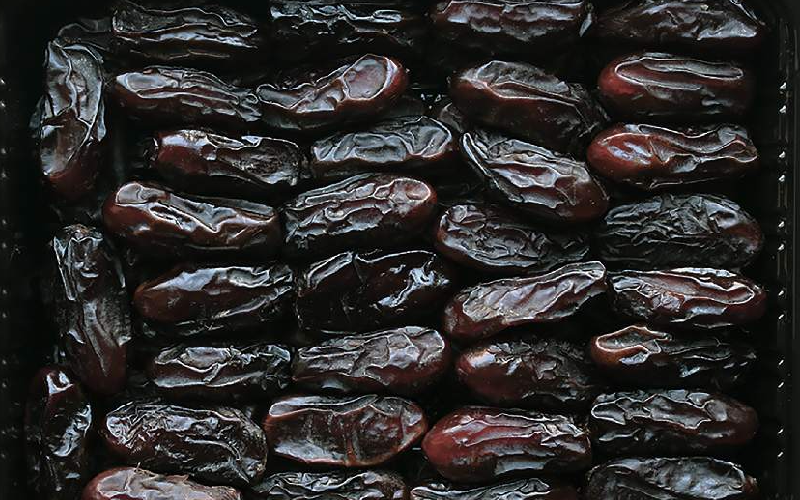
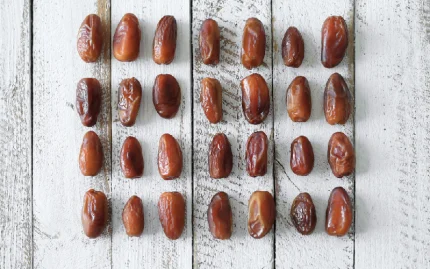
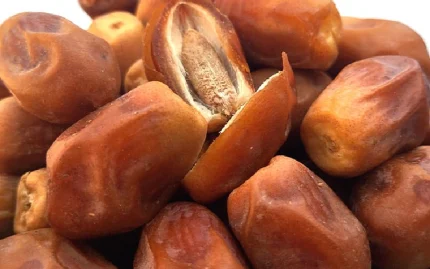
Rabbi dates are elongated with a thin, dark skin that ranges from reddish-brown to almost black. Their flesh is soft and sweet with a caramel-like flavor, making them appealing for both direct consumption and food processing. The seeds are small compared to other varieties, which increases their edible portion. These traits, combined with durability during storage and transport, make Rabbi dates especially attractive for bulk buyers

Nutritional research highlights the richness of dates in essential minerals and dietary fiber. Rabbi dates are particularly high in potassium, magnesium, iron, and calcium. They also provide vitamins such as A, B-complex, and C. With antioxidants and natural sugars, they act as a quick source of energy while supporting digestive and cardiovascular health. A 100-gram serving of dates provides around 280 calories, mainly from natural carbohydrates, along with 7 grams of fiber and 2.5 grams of protein, making them a balanced functional food.
The price of Rabbi dates depends on factors such as harvest quality, demand, and packaging. On the wholesale market, they are generally more affordable than premium varieties like Piarom, making them a cost-effective option for large-scale importers. Their competitive price combined with durability gives them an advantage in international trade.
Buyers usually source Rabbi dates directly from producers or certified exporters in Iran. Wholesale transactions often involve minimum order quantities and bulk packaging of 5 to 10 kilograms per box. Retail-ready packages are also available for supermarkets and specialty stores. For international buyers, choosing suppliers with certifications such as ISO, HACCP, and Halal is essential to ensure compliance with global standards.
Thanks to their semi-dry texture, Rabbi dates can last up to 18 months when stored at room temperature in a dry, cool environment. For longer preservation, refrigeration further extends their freshness. Export packaging usually includes cardboard boxes with inner liners to protect against humidity and physical damage.
Compared to Mazafati dates, Rabbi dates are less moist and easier to transport. When placed next to Piarom dates, they offer a lower price but similar semi-dry qualities. Unlike Zahedi dates, which are drier and less sweet, Rabbi dates provide a softer texture and richer taste. These differences allow buyers to choose based on budget, shelf life, and consumer preference.
Iran is one of the largest exporters of dates, and Rabbi dates play a significant role due to their balance of affordability and quality. Their resistance to spoilage reduces the need for expensive refrigerated shipping, lowering logistics costs. Export markets often include India, Pakistan, Europe, and the Middle East, where demand for semi-dry dates is consistently strong.
Rabbi dates combine attractive flavor, health value, long shelf life, and cost efficiency. For importers and distributors, they provide a reliable product that satisfies both retail customers and food industry needs. Their adaptability to various markets makes them one of the most practical choices among Iranian dates.

Rabbi dates are semi-dry, with less moisture than Mazafati and softer texture than Zahedi, making them easier to store and transport without refrigeration.
They can be kept at room temperature for up to 18 months. For longer preservation, refrigeration in sealed packaging is recommended.
They are primarily grown in Iran’s Sistan and Baluchestan province, especially in Zabol, Iranshahr, Saravan, and surrounding regions.




Reviews
There are no reviews yet.