
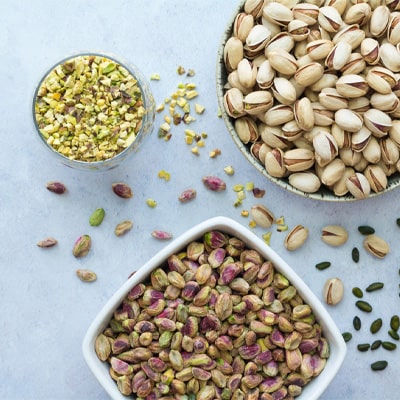
Pistachio
View Products
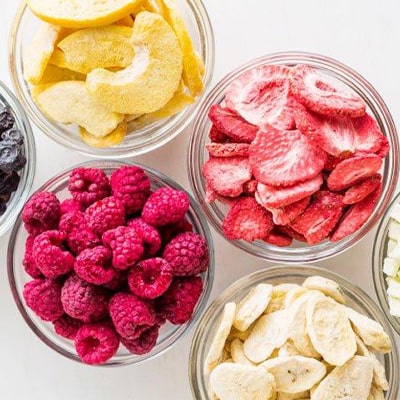
Frozen Drieds
View Products
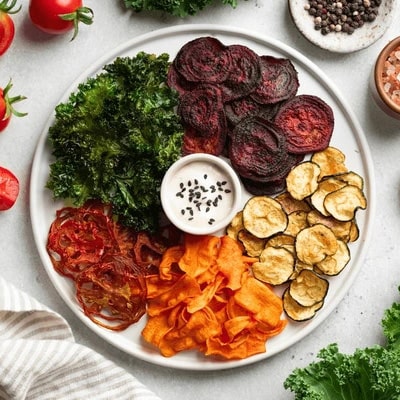
Dried Vegetables
View Products
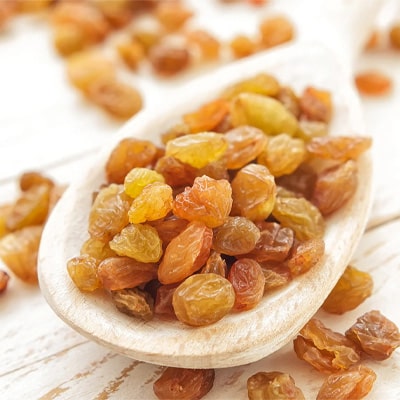
Raisin
View Products
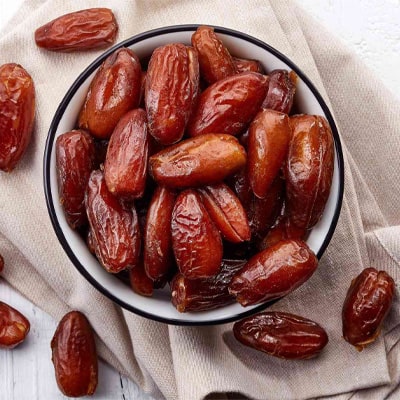
Dates
View Products
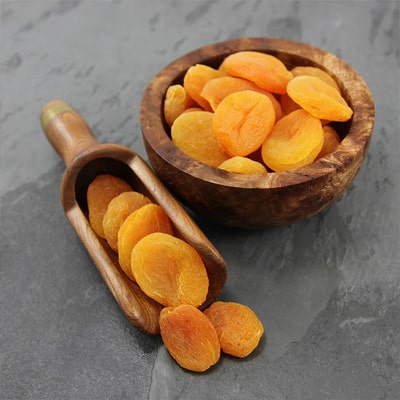
Dried Apricot
View Products
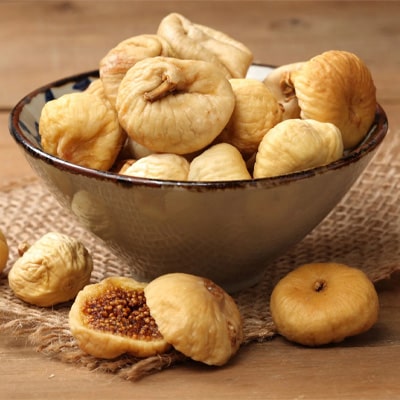
Figs
View Products

Saffron
View Products

Powders
View Products
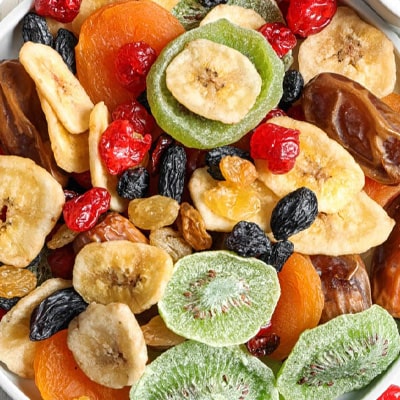
Dried Fruits
View Products
View Products
View Products
View Products
View Products
View Products
View Products
View Products
View Products
View Products
View Products

Freeze Dried Kiwi for Wholesale and Global Trade
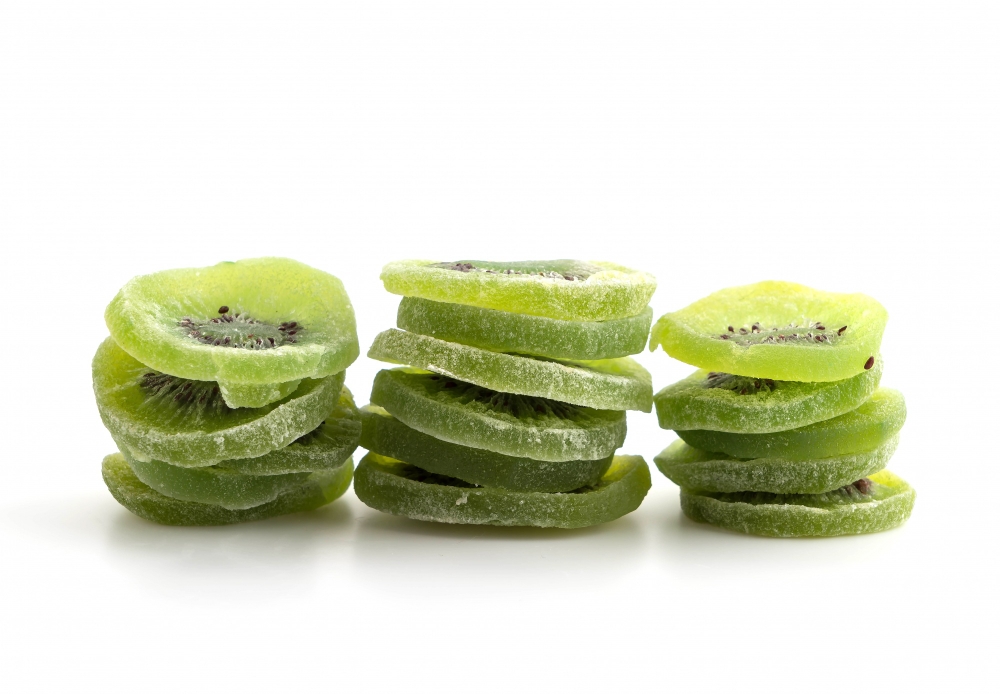
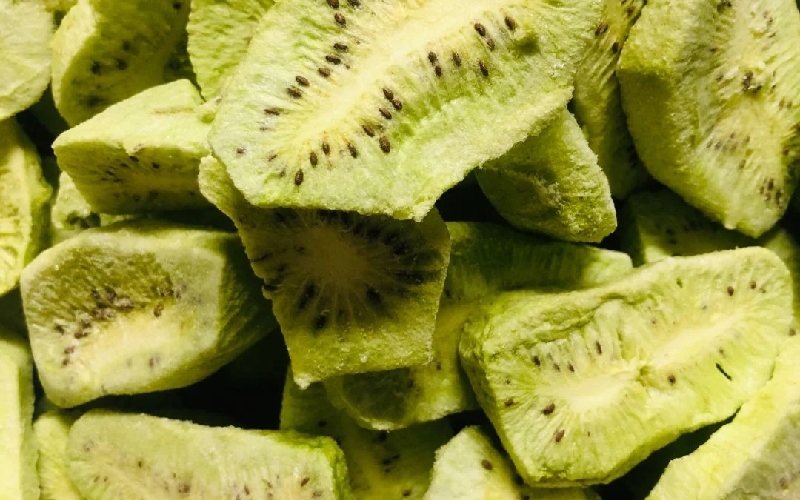
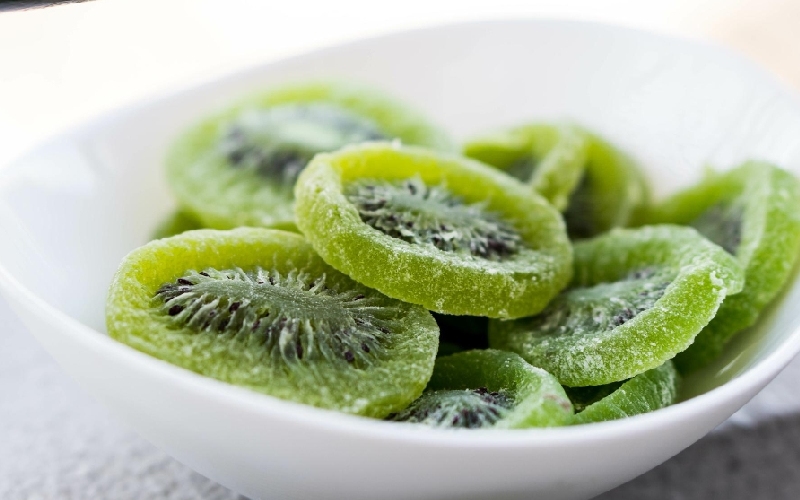
Frozen dried kiwi is produced by removing nearly all moisture from fresh kiwi while retaining its natural tangy flavor, nutrients, and vibrant color. The resulting product is lightweight, shelf-stable, and convenient for both snacking and use in food products. Businesses can purchase Freeze dried kiwi online directly from manufacturers or through wholesale platforms. Online sourcing allows buyers to compare different formats such as slices, cubes, and powders while accessing private-label and bulk purchasing options.
Prices vary depending on kiwi variety, packaging type, and order volume. Market trends indicate growing demand for freeze-dried fruits, with consumption projected to increase steadily over the next few years. Buyers can choose between retail-ready resealable pouches, bulk cartons for manufacturers, or custom-branded packaging for private labeling. Vacuum-sealed packaging extends shelf life to over two years and helps preserve the fruit’s natural flavor and texture. Wholesale buyers often benefit from volume-based pricing that lowers the cost per kilogram for larger orders.
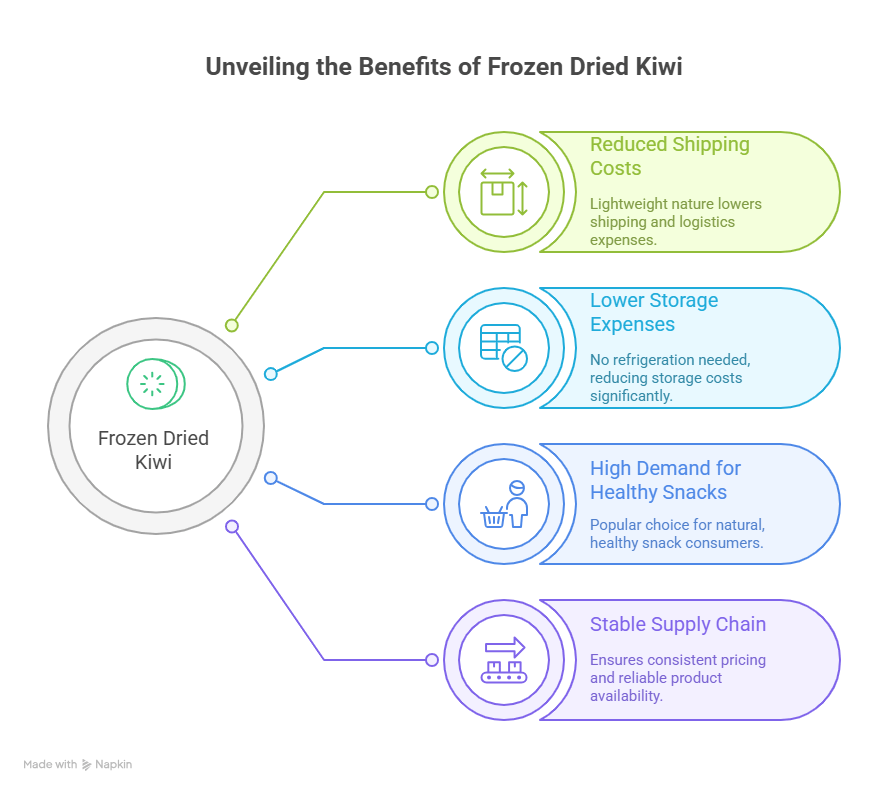
Buying Freeze dried kiwi in bulk offers multiple advantages. The lightweight nature of the product reduces shipping and logistics costs. Its long shelf life eliminates the need for refrigeration, lowering storage expenses. Businesses benefit from high demand for natural, healthy snacks, making frozen dried kiwi an attractive product for retailers and food manufacturers. Bulk procurement ensures a stable supply chain and consistent pricing, allowing businesses to meet market demand efficiently.
International buyers should consider certifications and compliance requirements for trading Freeze dried kiwi. Many import markets require HACCP, FDA, Halal, or Kosher certification. Trusted exporters assist with documentation, customs clearance, and logistics planning. The non-perishable nature of Freeze dried kiwi makes shipping easier and more cost-effective compared to fresh or frozen fruit. Working with experienced exporters ensures timely delivery and consistent product quality in international markets.
Reputable manufacturers supply Freeze dried kiwi in various formats suitable for retail, food manufacturing, or ingredient use. Buyers should evaluate suppliers based on certifications, production capacity, export experience, and product variety. Selecting trusted brands reduces risks of shipment delays, regulatory issues, and quality inconsistencies. Manufacturers offering flexible minimum order quantities and proven export records provide additional confidence for international buyers.
Frozen dried kiwi does not require refrigeration, simplifying storage and reducing costs. To maintain quality, products should be kept in a dry, cool environment and protected from direct sunlight. Proper vacuum-sealed packaging preserves crispness, flavor, and color during long-distance transport. This makes Freeze dried kiwi highly practical for wholesalers, distributors, and exporters seeking reliable, shelf-stable fruit products for global markets.
When sealed properly, it can last up to two years without refrigeration.
Suppliers typically offer slices, cubes, and powders suitable for retail, food manufacturing, or ingredient use.
Yes, it retains most vitamins, fiber, and antioxidants, offering a healthy and convenient snack option.






sara –
Does frozen dried kiwi keep its vitamins after the drying process
PAgy@58K21R –
Yes! The freeze-drying process preserves up to 95% of the fruit’s nutrients, including Vitamin C and antioxidants. That’s what makes it healthier than regular dried kiwi, which often loses nutrients due to heat drying.