Pistachio
View Products
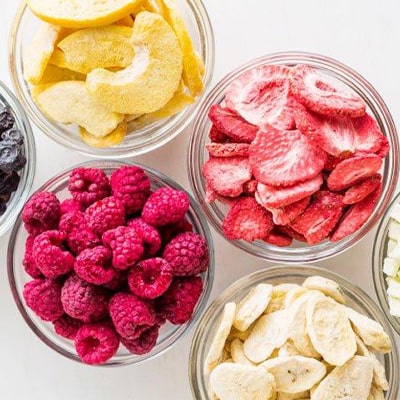
Frozen Drieds
View Products
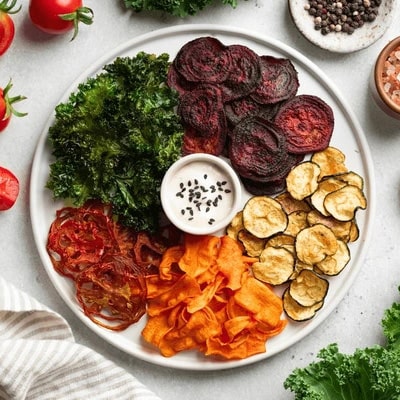
Dried Vegetables
View Products
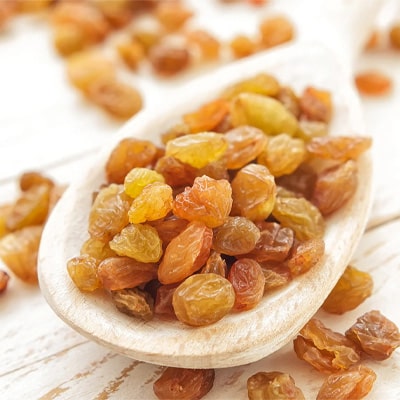
Raisin
View Products
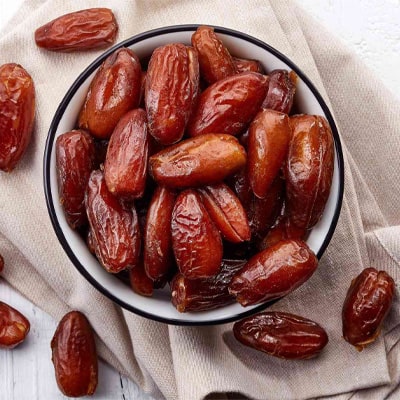
Dates
View Products
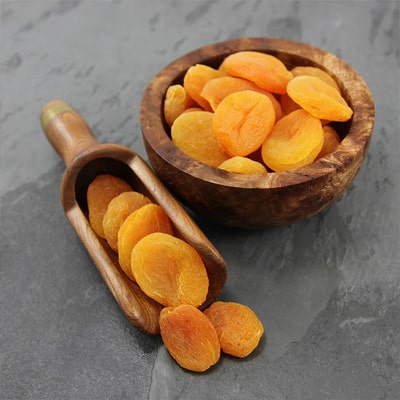
Dried Apricot
View Products
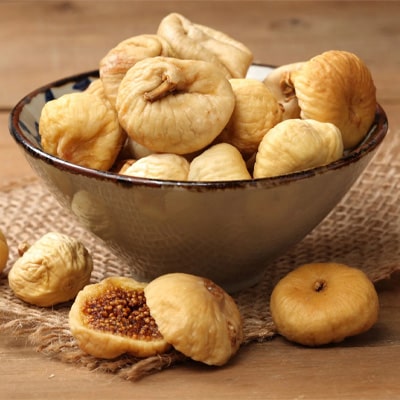
Figs
View Products

Saffron
View Products
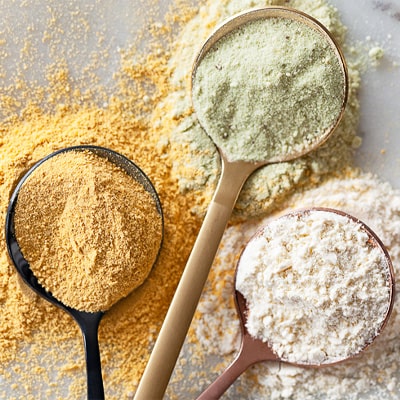
Powders
View Products
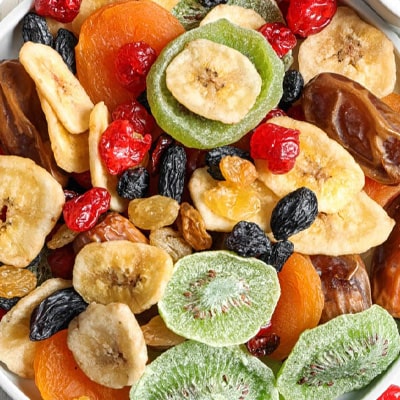
Dried Fruits
View Products
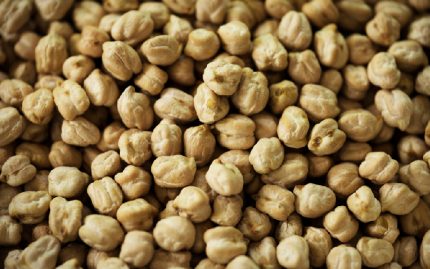
Chickpeas, also known as garbanzo beans, are one of the oldest cultivated crops in the world. First domesticated in the Middle East thousands of years ago, chickpeas have become a global culinary staple, valued for their distinct nutty flavor and smooth texture. Whether in savory dishes like hummus and falafel, or hearty stews and salads, chickpeas are celebrated for their versatility and health benefits.
Packed with plant-based protein, fiber, vitamins, and minerals, chickpeas are considered a superfood and a must-have ingredient for any kitchen. Available in various forms—canned, dried, or ground into flour—they offer endless culinary possibilities. In this article, we’ll explore the many benefits of chickpeas, their nutritional profile, and how they can be incorporated into a variety of dishes to enhance both flavor and health.

Chickpeas are an excellent source of plant-based protein, making them an essential food for vegetarians, vegans, and anyone looking to reduce their intake of animal-based protein. A one-cup serving of cooked chickpeas provides approximately 15 grams of protein. This protein content helps support muscle growth, repair, and overall bodily functions.
Chickpeas are packed with dietary fiber, which is beneficial for digestive health. A cup of cooked chickpeas contains about 12.5 grams of fiber, which is over half the recommended daily intake for most adults. Fiber helps regulate digestion, prevents constipation, and can aid in weight management by promoting feelings of fullness and reducing overall calorie intake.
The fiber, potassium, and magnesium content in chickpeas contribute to heart health by supporting healthy blood pressure and cholesterol levels. Chickpeas are low in fat and contain virtually no saturated fat, making them an excellent heart-healthy food. The fiber in chickpeas helps reduce LDL (bad) cholesterol levels, which lowers the risk of cardiovascular diseases.
Chickpeas have a low glycemic index, meaning they cause a slower and steadier rise in blood sugar levels. Their fiber and protein content also help stabilize blood sugar levels and prevent spikes.
Because chickpeas are high in protein and fiber, they promote satiety and reduce overall calorie intake. Their low glycemic index ensures steady energy release, aiding healthy weight management.
Chickpeas are rich in antioxidants that combat oxidative stress and reduce inflammation. These antioxidants protect cells from free radical damage and may reduce the risk of chronic diseases.
The high fiber content in chickpeas supports digestive regularity, prevents constipation, and fosters a healthy gut microbiome—essential for overall health and immunity.
Soluble fiber in chickpeas helps lower LDL cholesterol levels. Regular intake of chickpeas as part of a balanced diet supports long-term cardiovascular health.
Chickpeas provide calcium, magnesium, and phosphorus—key minerals that promote bone density and help prevent conditions like osteoporosis.
Rich in vitamin C and antioxidants, chickpeas support collagen production and skin elasticity, while protecting against environmental damage.
Folate in chickpeas supports the production of white blood cells, and antioxidants help strengthen immune response and reduce inflammation.
Chickpeas contain antioxidants and phytochemicals that may reduce the risk of certain cancers, particularly colon cancer, by supporting digestive health and reducing oxidative stress.
A creamy dip made from blended chickpeas, tahini, lemon juice, garlic, and olive oil. Perfect with vegetables, pita bread, or as part of Mediterranean spreads.
A Middle Eastern favorite made from mashed chickpeas, garlic, herbs, and spices—shaped into balls and deep-fried or baked, often served in pita with salad and tahini.
Add chickpeas to salads for protein and texture. Pair with cucumbers, tomatoes, onions, and a lemon-olive oil dressing for a nutritious meal.
Used in hearty Indian dishes like chana masala or Mediterranean stews. Chickpeas pair well with tomatoes, spices, and herbs.
Tossed with oil and spices, then roasted until crispy—these make a healthy snack or salad topper.
Used in gluten-free cooking and traditional dishes like pakoras and socca. Chickpea flour is versatile for baking and thickening.
Add chickpeas to soups for extra flavor and heartiness. They work well with vegetables, meats, and a variety of spices.
When selecting chickpeas, quality matters. Delmast offers top-tier chickpeas—dried, canned, or as flour—ensuring superior taste and nutrition. Add Delmast’s premium chickpeas to your kitchen and enjoy their many culinary and health benefits in every dish you prepare.