
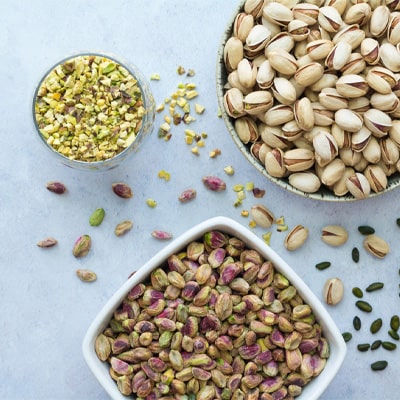
Pistachio
View Products
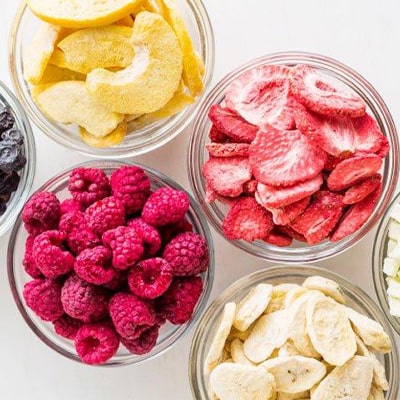
Frozen Drieds
View Products
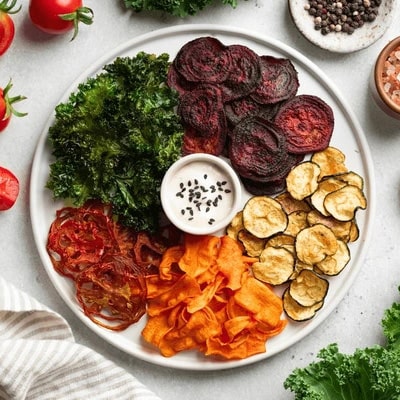
Dried Vegetables
View Products
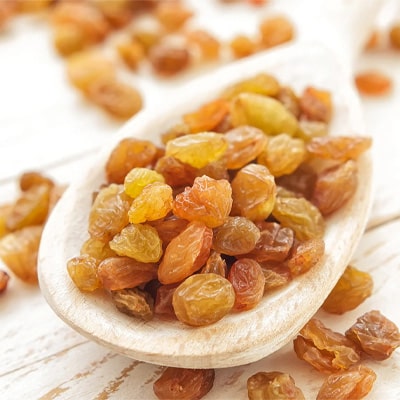
Raisin
View Products
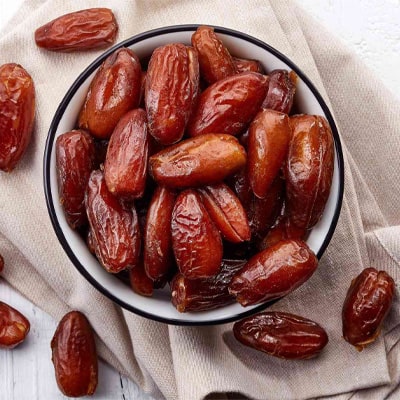
Dates
View Products
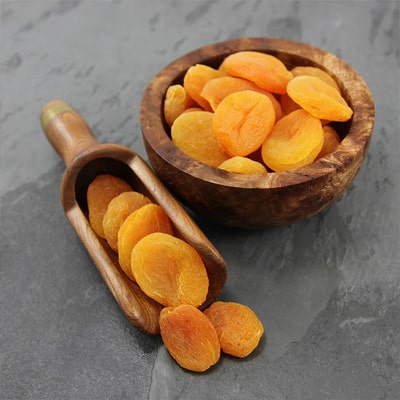
Dried Apricot
View Products
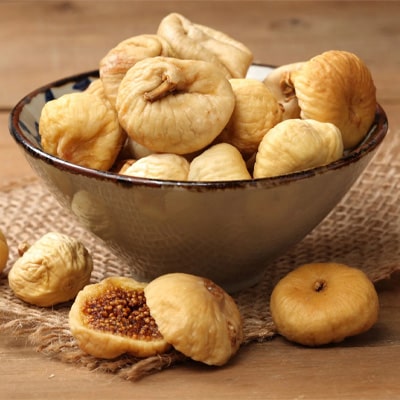
Figs
View Products

Saffron
View Products

Powders
View Products
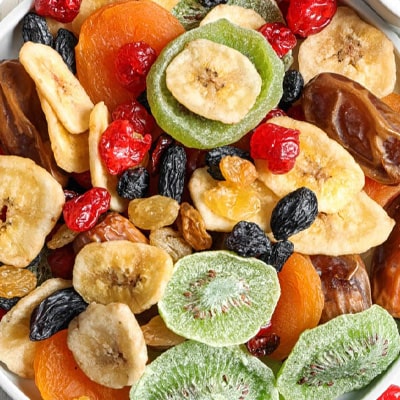
Dried Fruits
View Products
View Products
View Products
View Products
View Products
View Products
View Products
View Products
View Products
View Products
View Products

Chickpeas for Wholesale and Global Trade
Chickpeas are a versatile legume widely used in cooking, snacks, and processed food products. Many people who enjoy Beans also incorporate chickpeas into their diet for variety and nutrition. Businesses can purchase chickpeas online from reputable suppliers and wholesale platforms. Online sourcing allows buyers to compare different grades, packaging options, bulk quantities, and private-label opportunities. This makes procurement efficient for distributors, retailers, and food manufacturers.
Prices for chickpeas vary depending on variety, origin, processing quality, and order volume. Market trends indicate steady global demand, particularly for organic and high-protein varieties. Packaging options include retail-ready bags, vacuum-sealed pouches, and bulk industrial sacks. Proper packaging ensures shelf stability for 12–24 months while preserving quality. Large-volume buyers often benefit from tiered pricing structures that reduce the cost per kilogram.
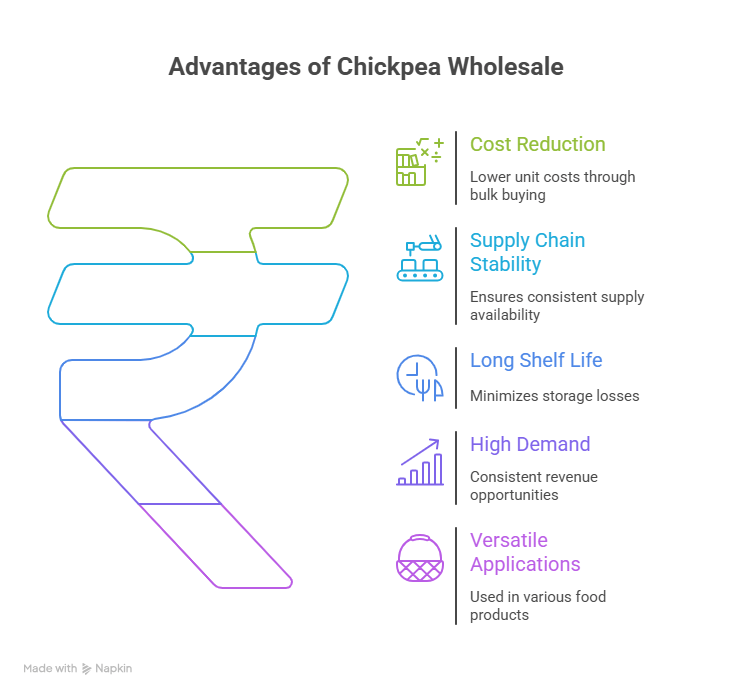
Purchasing chickpeas in bulk provides multiple advantages. Bulk procurement reduces unit costs and ensures supply chain stability. Chickpeas’ long shelf life minimizes storage losses, making them ideal for wholesalers and food manufacturers. High demand for plant-based protein and legumes in various markets creates consistent revenue opportunities. Wholesale buyers can use chickpeas for canned products, snacks, flours, and ready-to-eat meals.
For international trade, compliance with food safety standards and certifications is essential. Many countries require HACCP, FDA, Halal, or Kosher certification for bulk chickpeas. Experienced exporters provide documentation, customs guidance, and logistics support. Chickpeas’ non-perishable and lightweight nature simplifies shipping and reduces transportation costs compared to fresh pulses. Working with reputable exporters ensures timely delivery and consistent quality across markets.
Reliable suppliers provide chickpeas in multiple varieties suitable for retail, industrial, and food manufacturing purposes. Buyers should evaluate suppliers based on production capacity, certifications, export experience, and quality consistency. Partnering with trusted brands reduces the risk of shipment delays, contamination, or regulatory issues. Suppliers offering flexible minimum order quantities and export-ready solutions are particularly beneficial for global buyers.
Chickpeas should be stored in a cool, dry environment, away from sunlight and moisture, to maintain quality. Airtight or vacuum-sealed packaging preserves freshness during storage and transport. For bulk shipments, proper handling and protective packaging prevent contamination and ensure consistency. These measures are critical for wholesalers, exporters, and retailers seeking high-quality chickpeas for domestic or international markets.

Properly stored chickpeas can remain fresh for 12–24 months without refrigeration.
Yes, many suppliers provide wholesale and export-ready options with full certifications and documentation.
Common options include retail bags, vacuum-sealed pouches, and bulk industrial sacks suitable for distribution or food processing.




Lucas Brown –
Can we request customized packaging or private-label bags for large orders of chickpeas?
PAgy@58K21R –
Hi Lucas, yes. Many suppliers offer private-label solutions with retail-ready bags or bulk cartons. Discuss MOQ and design options directly with your exporter.
David Kim –
We are looking for a stable supplier for private label chickpeas. Can you support custom packaging and consistent annual supply?
PAgy@58K21R –
Yes, we offer private labeling, custom packaging, and scalable production capacity. We also ensure consistent annual supply through coordinated harvest planning and inventory management.