
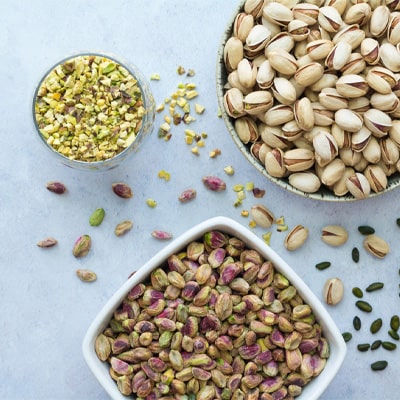
Pistachio
View Products
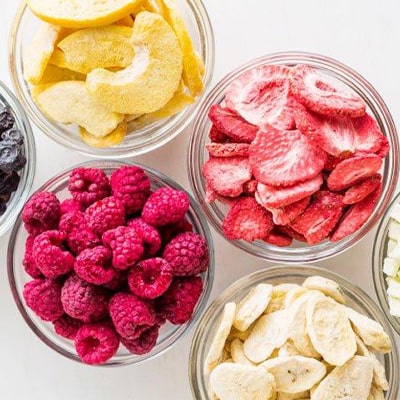
Frozen Drieds
View Products
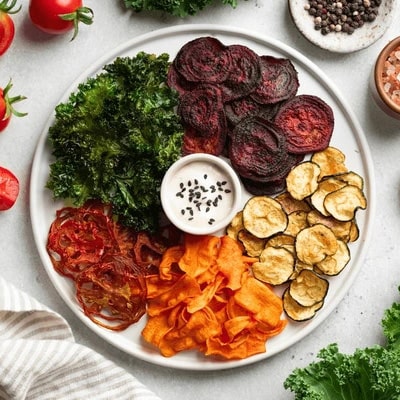
Dried Vegetables
View Products
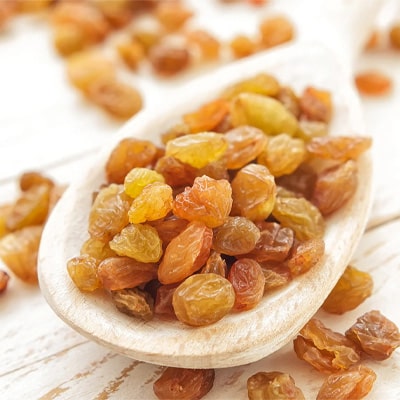
Raisin
View Products
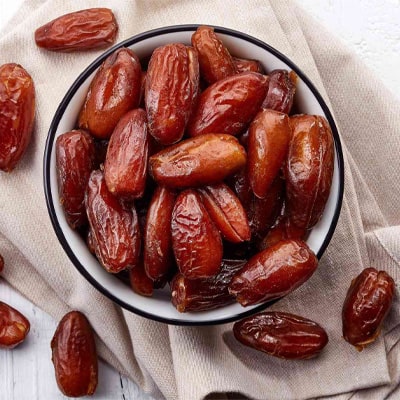
Dates
View Products
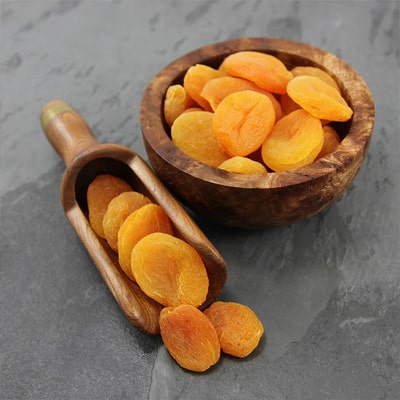
Dried Apricot
View Products
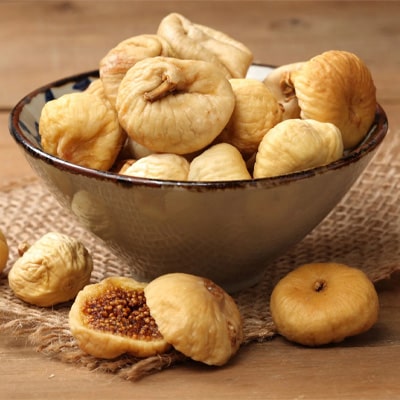
Figs
View Products

Saffron
View Products
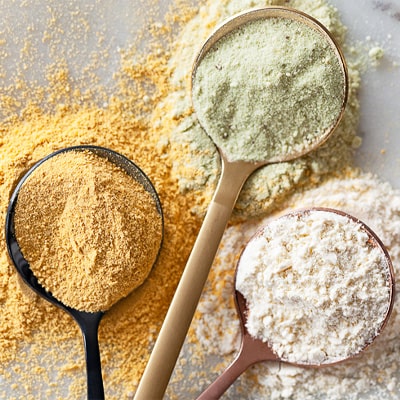
Powders
View Products
Dried Fruits
View Products
View Products
View Products
View Products
View Products
View Products
View Products
View Products
View Products
View Products
View Products
Harvest in Kashan starts before sunrise. Rosa Damascena loses essential oil content fast once the sun warms the petals, so pickers work the fields between roughly 4 and 8 a.m., and the buds that go into dried whole-bud product are pulled at a slightly earlier stage of opening than the petals destined for rosewater distillation. That timing distinction matters more than most sourcing guides admit, and it's the reason two shipments labeled "Rosa Damascena" from the same region can perform very differently once they reach a tea blender, a cosmetic lab, or a distillation unit.
This page isn't a general overview of rose buds. It's written around the three buyers who actually source this product in volume, because what each of them needs from the same flower is genuinely different.
Not every product labeled "dried rose" is the same plant. Rosa Damascena, the Damask rose we grow and process, is a different species from Rosa canina, the wild dog rose whose red-orange fruit (rose hip) is dried separately and used mainly for its vitamin C content and tart flavor in fruit teas.
If your formulation calls for floral aroma, essential oil content, or the classic rose-bud appearance in a tea blend or cosmetic product, you want Rosa Damascena bud, not rose hip. The two get confused often enough in the wholesale herb trade that it's worth stating plainly: everything on this page is Rosa Damascena, harvested as bud and petal in spring and summer, before any hip would form.

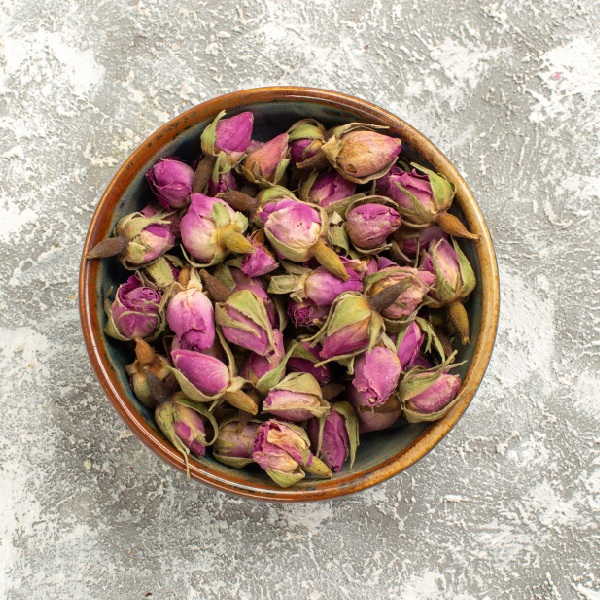
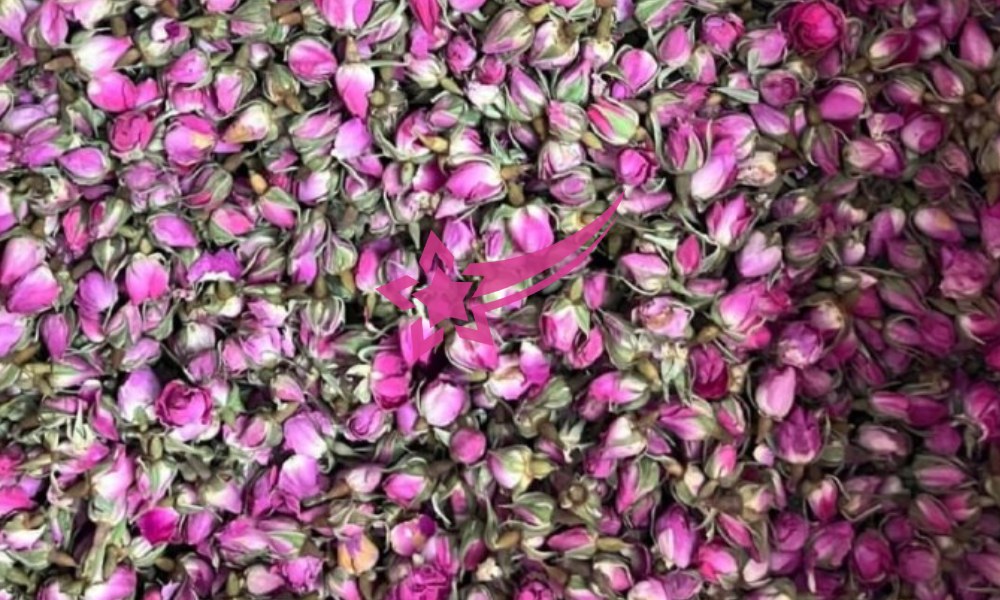
A tea brand cares about one thing above all else: does the bud hold together through blending, packaging, and steeping, or does it fall apart into dust that clouds the cup. Whole, unbroken buds with intact calyx structure are what you're paying for here, not just aroma.
We grade specifically for this by hand-sorting out broken and partially opened buds before packing, since a single pass of mechanical sorting tends to miss the subtler breakage that only shows up once a bag has been jostled through a few months of shipping and warehouse handling. Moisture control matters just as much: buds packed above roughly 10 percent moisture risk mold during long sea freight, so every batch is tested before it leaves for export.
Color should be a natural pink to deep rose, not the faded brownish tone that comes from buds harvested too late in their bloom cycle or dried too slowly.
If you're formulating your first rose blend, a simple starting ratio that works well commercially is one part whole rose bud to three parts base tea (mint, chamomile, or black tea), which lets the floral note come through without overpowering the base. It's a starting point for your own testing, not a fixed recipe, since exact ratios depend on your target flavor profile and the specific base you're blending against.
One honest note on appearance: even at tea grade, expect some natural variation batch to batch. A small percentage of buds with slightly loosened outer petals is normal in a naturally dried, hand-sorted product, and isn't the same thing as the broken, dusty material we sort out. If your specification requires zero tolerance for any loosened petals, tell us upfront so we can hand-pick that tighter standard, which does affect price.
Formulators evaluating rose bud for face masks, bath products, or botanical extracts are usually less concerned with whole-bud integrity and more concerned with pigment stability and how the material performs once it's rehydrated or infused into a carrier.
For this use case, we can supply a visually mixed grade, buds and larger petal fragments together, at a meaningfully lower price point than the whole-bud tea grade, since sorting for perfect bud shape isn't adding value to your formulation. What does matter is consistent color extraction batch to batch, which is why we test pigment retention alongside moisture on cosmetic-grade lots specifically.

Distillers care about oil yield, full stop. Visual appearance barely matters here, which is why industrial-grade material, including buds with minor blemishes or slight color variation that would be rejected for tea, works perfectly well for steam distillation and typically costs less as a result.
If oil yield is your priority, tell us that upfront rather than defaulting to a premium grade. You'll get a better price and a product that's actually better suited to what you're doing with it.
| Grade | Approximate FOB Price (USD/kg) | What Drives the Price |
|---|---|---|
| Industrial / Distillation Grade | $4 – $6 | Oil yield matters more than appearance; minimal sorting required |
| Cosmetic / Mixed Grade | $6 – $9 | Pigment consistency, moderate sorting |
| Whole-Bud Tea Grade | $8 – $12 | Hand-sorted for intact buds, strict moisture control, visual uniformity |
These ranges reflect 2025-2026 wholesale market activity for Iranian-origin Rosa Damascena and move with harvest yield each season. Ask us for a live quote tied to your grade and volume rather than treating this table as a locked price list.
As a general guide to volume pricing: orders between 50 and 200 kg are quoted at standard per-kilo rates within the ranges above, orders between 200 kg and 1 metric ton typically see a modest discount as fixed costs like documentation and testing spread across more product, and orders above 1 metric ton get our best per-kilo pricing, negotiated directly based on your specific grade mix and shipping schedule.
After the early-morning harvest, buds are spread in thin layers under shade rather than direct sun, since direct sunlight bleaches color and can scorch the outer petals before the interior finishes drying. This shade-drying process takes longer than sun-drying, typically several days depending on humidity, but it's the reason Kashan-origin buds tend to hold deeper color than product dried faster and more aggressively elsewhere.
Once moisture drops below the threshold for the target grade, buds are sorted, either by hand for tea-grade lots or by a combination of mechanical and manual sorting for cosmetic and industrial grades, then packed. We offer 5kg sealed export bags and 10kg kraft cartons as standard, with 25kg woven sacks for larger industrial orders and vacuum-sealed packaging available for buyers who need extended shelf stability on longer shipping routes. Minimum order quantity starts at 50kg, small enough for a first-time buyer to test the product without committing to a full pallet.
Properly stored, away from direct light and in humidity below 60 percent, the product holds its color and aroma for up to 24 months.

Most new buyers start with a sample rather than a full order, and we'd recommend the same. Tell us which of the three use cases above matches your application, and we'll send a grade that's actually suited to it rather than defaulting to whichever grade happens to be in stock. From there, pricing and minimum order quantity get confirmed against your target volume and packaging, and we handle certificate of origin, commercial documentation, and shipping coordination once terms are set.
📞 Tel: +98 935 781 8868 💬 WhatsApp: +98 935 781 8868 📧 Email: info@pinkstar-co.com
Tell us your use case, target volume, and destination port, and we'll come back with a grade recommendation and a real quote, not a generic price list.
[ 📩 Request a Quote ] [ 🧪 Order a Sample ]
A couple of things worth knowing before you order: the deep pink-to-red color buyers associate with premium Rosa Damascena fades faster under direct light than most buyers expect, so ask about our packaging if your product will sit on a warehouse shelf for months before use. And if you're comparing quotes across suppliers, ask specifically which grade they're quoting. A price that looks low for "rose buds" often turns out to be industrial-grade material being sold against a tea-grade inquiry, which is a mismatch you don't want to discover after the shipment arrives
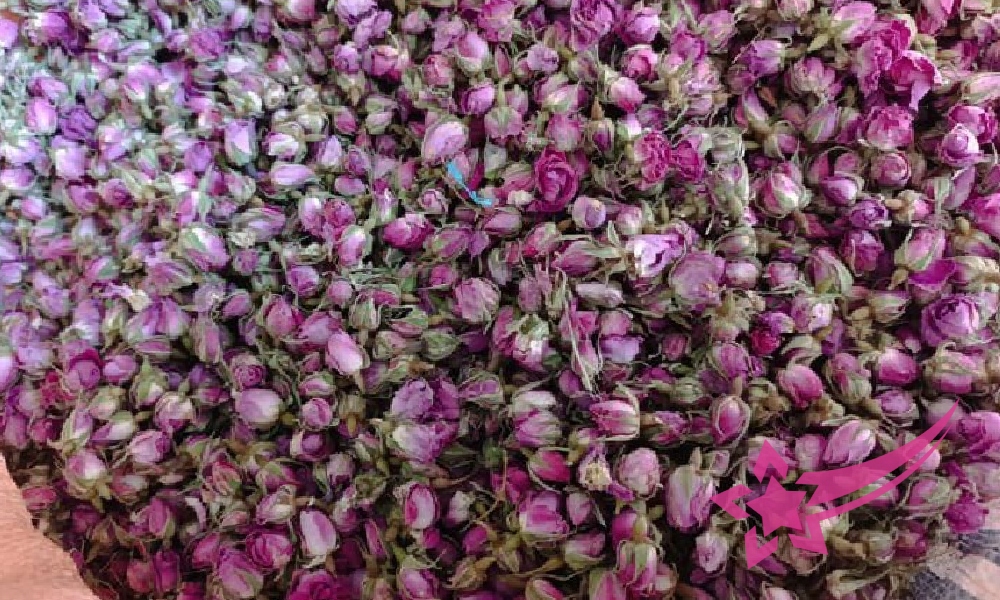
They are used in herbal teas, skincare products, essential oil extraction, and natural fragrance applications.
Prices range from 4 to 12 USD per kilogram depending on grade, quality, and order volume.
Yes, Iranian Rosa damascena is globally recognized for strong aroma and high essential oil concentration.
Most suppliers start from 50 kilograms with better pricing available for bulk orders above 1 ton.




Reviews
There are no reviews yet.