
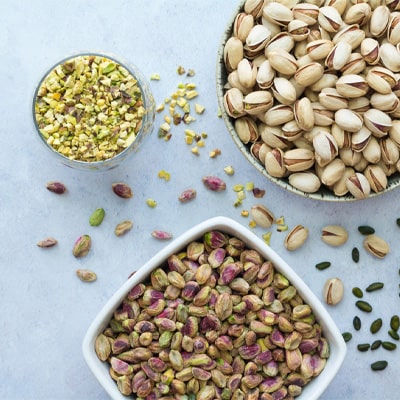
Pistachio
View Products
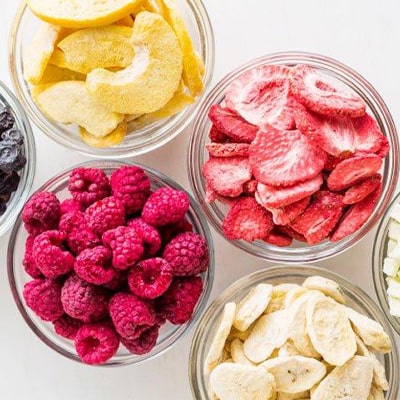
Frozen Drieds
View Products
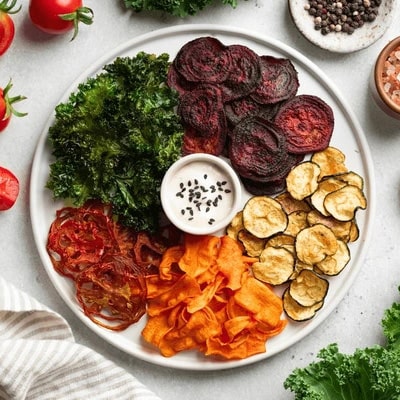
Dried Vegetables
View Products
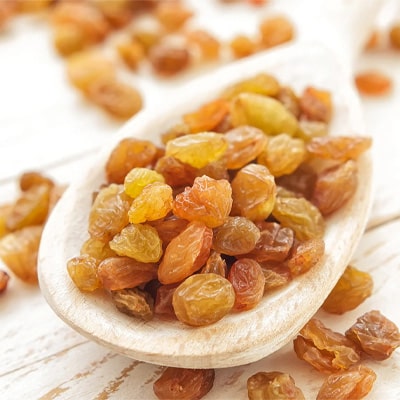
Raisin
View Products
Dates
View Products
Dried Apricot
View Products
Figs
View Products

Saffron
View Products
Powders
View Products
Dried Fruits
View Products
View Products
View Products
View Products
View Products
View Products
View Products
View Products
View Products
View Products
View Products
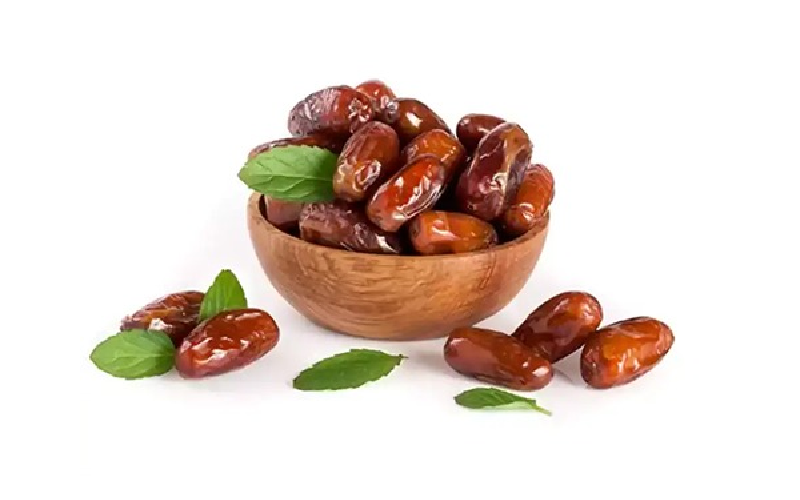
What if a single fruit could combine sweetness, durability, and global trade appeal? Sayer dates, one of Iran’s prized semi-dry varieties, offer precisely that. Popular among importers and wholesalers, they deliver high nutritional value and long shelf life. This guide explains their origin, characteristics, health benefits, pricing, and why Sayer dates are increasingly chosen for bulk trade. By the end, you will have practical insights into sourcing, storage, and exporting these premium dates.
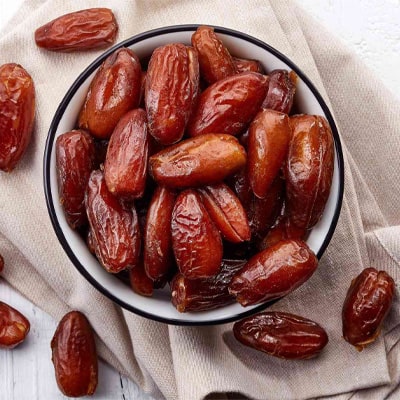
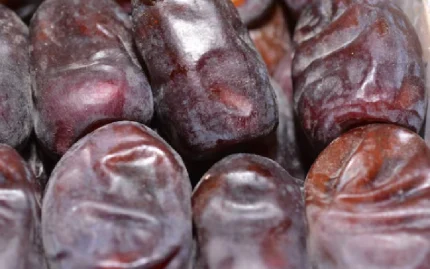
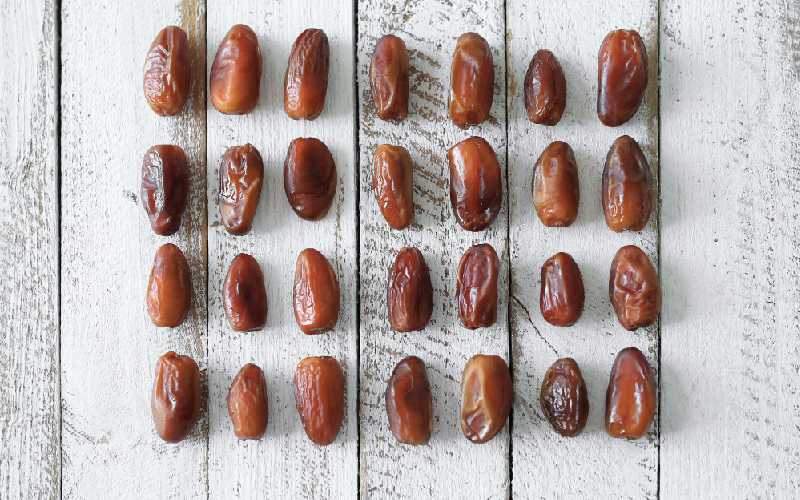
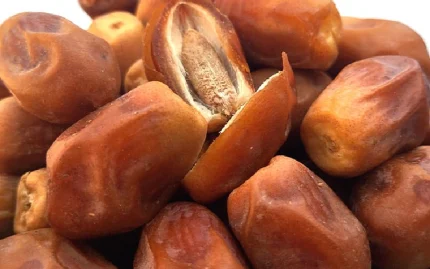
Sayer dates belong to the Phoenix dactylifera family and are primarily grown in Khuzestan province, Iran, in cities such as Shadegan, Khorramshahr, and Abadan. Known also as Stamaran or Samaran, they are semi-dry, elongated, and range from light to dark brown. Their low moisture content allows for easier storage and shipping, making them ideal for international markets.
Sayer dates have a soft, chewy texture with a naturally sweet, caramel-like flavor. Their small seeds increase the edible portion, while the semi-dry consistency reduces spoilage risk. These traits make them suitable for direct consumption, food processing, and incorporation into baked goods or energy snacks.
Nutritionally, Sayer dates are rich in fiber, potassium, magnesium, and vitamins A and B6. Their natural sugars provide a quick energy boost, and antioxidant compounds support heart and digestive health. A 100-gram serving delivers around 280 calories, 7 grams of fiber, and 2.5 grams of protein, offering a balanced source of energy and nutrients for daily consumption.

The price depends on harvest quality, season, and packaging. Compared to premium varieties like Piarom, Sayer dates are cost-effective, making them attractive for bulk importers. Competitive pricing, combined with extended shelf life, gives them an advantage in global trade.
Buyers can source Sayer dates through certified exporters in Iran. Bulk packaging options often include 5 to 10 kilograms per box, while retail-ready packaging suits supermarkets or specialty stores. Certifications such as Halal, ISO, and HACCP ensure compliance with international food standards, enhancing buyer confidence.
Due to their semi-dry nature, Sayer dates can last up to 24 months at room temperature in a dry environment. Refrigeration further extends freshness. Export packaging usually features cardboard boxes with protective liners to guard against moisture and physical damage.
Unlike Mazafati dates, Sayer dates are less moist, easier to transport, and have a longer shelf life. Compared with Zahedi dates, they are sweeter and softer, while Piarom dates are more expensive but less widely cultivated. These distinctions help buyers select the right variety based on taste, storage, and cost.
Iran exports Sayer dates to Europe, North America, Russia, and Oceania. Their durability reduces the need for refrigerated shipping, lowering logistical costs. For international buyers, selecting reputable suppliers ensures consistent quality and compliance with export regulations.
Sayer dates combine appealing flavor, high nutritional value, extended shelf life, and cost efficiency. For importers, wholesalers, and food manufacturers, they offer a reliable and versatile product suitable for multiple markets and culinary uses.
Sayer dates are semi-dry, with less moisture than Mazafati and softer texture than Zahedi, making them easier to store and transport without refrigeration.
They can be kept at room temperature for up to 24 months. Refrigeration in sealed packaging extends freshness further.
Sayer dates are primarily grown in Iran’s Khuzestan province, especially in Shadegan, Khorramshahr, and Abadan.






Reviews
There are no reviews yet.