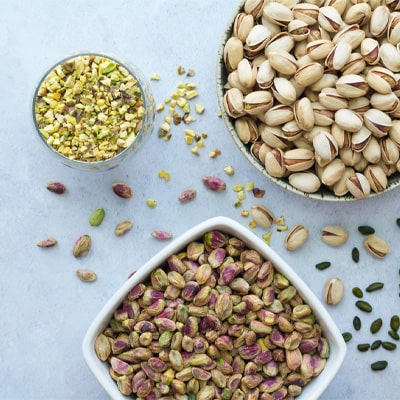
Pistachio
View Products
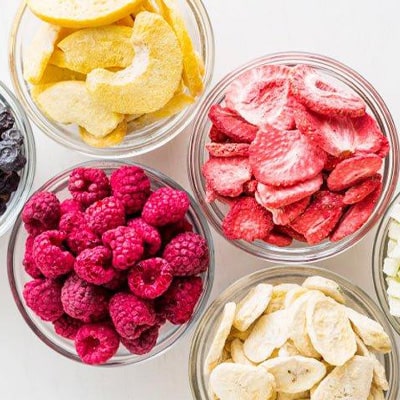
Freeze Drieds
View Products
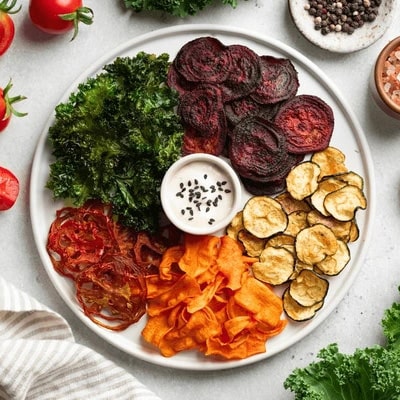
Dried Vegetables
View Products
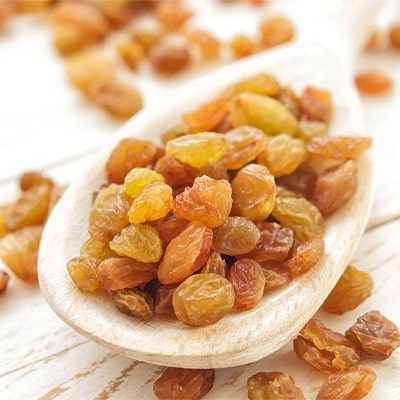
Raisin
View Products
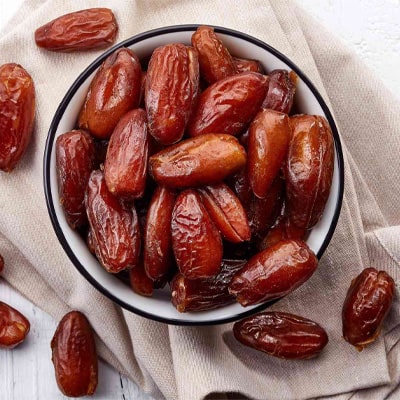
Dates
View Products
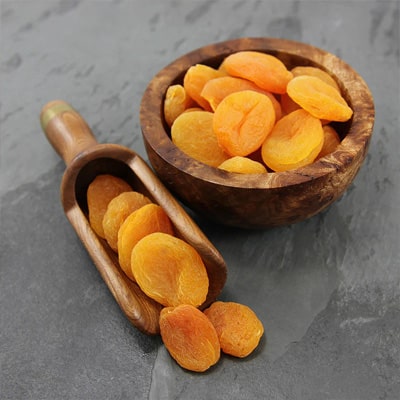
Dried Apricot
View Products
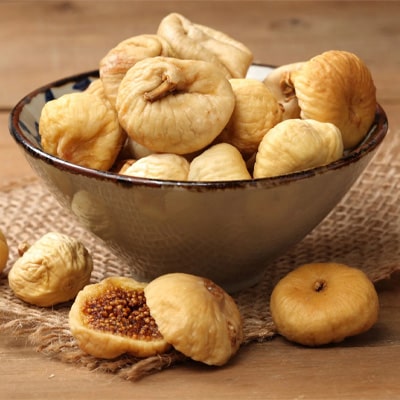
Figs
View Products

Saffron
View Products
Powders
View Products
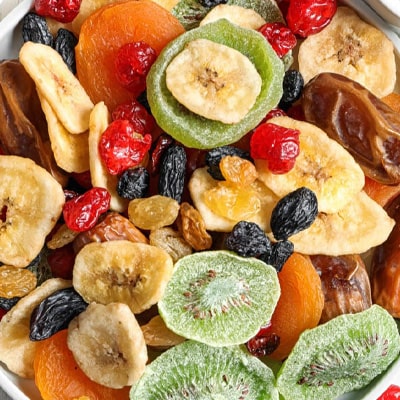
Dried Fruits
View Products

Iranian saffron is used in cooking, beverages, desserts, and food manufacturing for its distinctive color, aroma, and flavor. It also contains antioxidant compounds and has been studied for potential health benefits, although further research is needed to confirm many of these effects.
Iranian saffron is valued for its vivid color, distinctive aroma, and rich flavor. From traditional Persian dishes to modern food manufacturing, this spice serves several purposes beyond cooking. Understanding the uses of Iranian saffron also means separating its established culinary applications from potential health benefits that still require further research.
Saffron is a traditional ingredient in Persian cuisine. It adds color, aroma, and flavor to saffron rice, tahchin, stews, and festive dishes. It is also used in desserts such as saffron ice cream and sholeh zard.
For better results, gently crush the threads and steep them in a small amount of warm water before adding them to a dish. This helps release their color and aroma.
Saffron is used in tea, herbal infusions, milk-based drinks, and traditional syrups. Food manufacturers also incorporate it into selected beverages to create distinctive flavors and colors. The appropriate quantity depends on the recipe and desired intensity.
Bakeries, confectionery producers, restaurants, and packaged-food manufacturers use saffron in products such as cakes, chocolates, desserts, and ready-to-serve meals. For commercial applications, buyers should consider color strength, aroma, purity, consistency, and cost per batch.

Saffron contains bioactive compounds, including crocin and crocetin, that have demonstrated antioxidant activity in laboratory research. However, laboratory findings do not automatically establish the same effects in humans.
Some small randomized trials have tested saffron extract for mild-to-moderate depression. Most gave about 30 mg of standardized extract a day, often as 15 mg twice daily in capsules, for around six weeks, and most were run in Iran. Pooled analyses report encouraging results, but the trials are small and short, and results from capsules cannot be applied to saffron used in cooking. Saffron in food is not a substitute for professional mental health care.
Researchers have also examined saffron in relation to sleep and cognitive function. These areas require further high-quality research, and evidence for concentrated supplements should not be confused with evidence for normal dietary use.
In culinary amounts, saffron is considered safe for most people. Higher, supplement-level doses can cause side effects such as nausea, dry mouth, or headache. If you are pregnant or breastfeeding, avoid saffron supplements and ask your doctor about culinary use. If you take antidepressants, blood thinners, or blood-pressure medicine, check with your doctor before using saffron supplements.
For personal or commercial use, examine the product’s aroma, appearance, purity, and storage conditions. Buyers purchasing in bulk should request a specification sheet and, where available, a Certificate of Analysis. ISO 3632 provides recognized quality criteria for dried saffron.
Buying saffron for your business? See our Sargol grade for the best color per cost and our Negin grade for premium appearance, or request a sample with an ISO 3632 report.
It is mainly used to flavor and color rice dishes, desserts, beverages, and various food products.
Saffron contains antioxidant compounds, and researchers have investigated its potential effects on mood, sleep, and cognitive function. More evidence is needed to confirm many health claims.
Iranian saffron is known for its role in global saffron production. However, quality varies between batches and suppliers, so origin alone does not guarantee product quality.
Keep saffron in an airtight container in a cool, dry place away from direct light, heat, and moisture.
Whether you use saffron in traditional recipes or food manufacturing, selecting a product with consistent quality is essential. Commercial buyers should evaluate specifications, testing documentation, packaging, and suitability for their target market before placing a bulk order.