
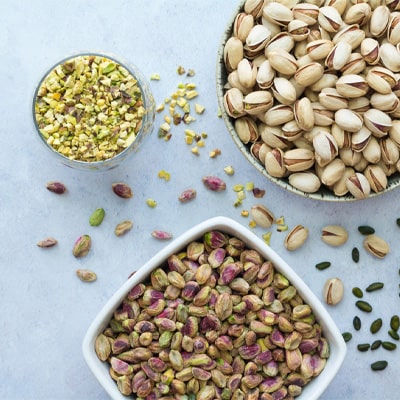
Pistachio
View Products
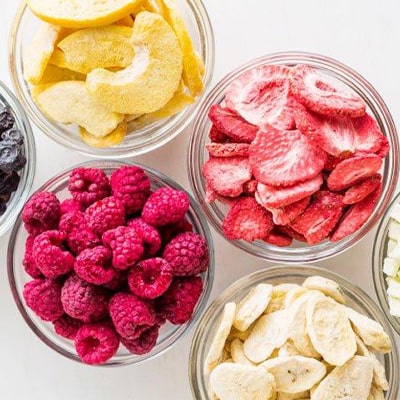
Frozen Drieds
View Products
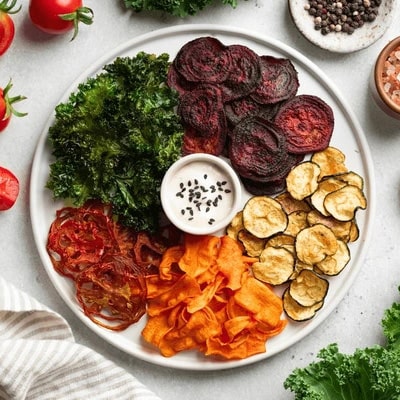
Dried Vegetables
View Products
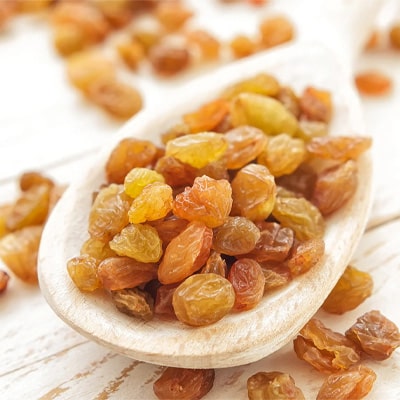
Raisin
View Products
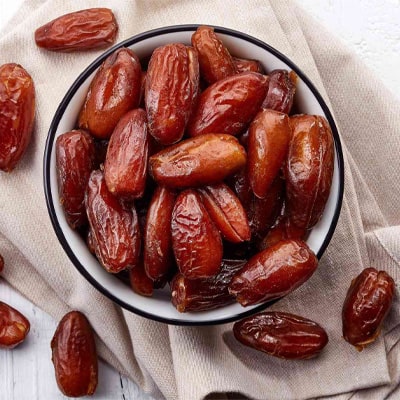
Dates
View Products
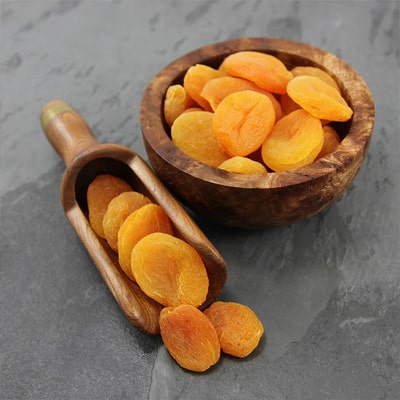
Dried Apricot
View Products
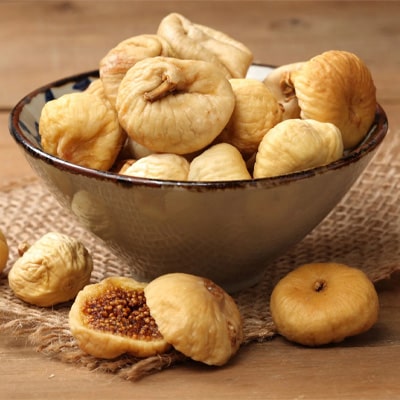
Figs
View Products

Saffron
View Products
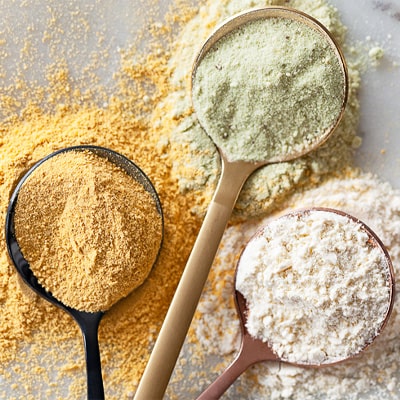
Powders
View Products
Dried Fruits
View Products
View Products
View Products
View Products
View Products
View Products
View Products
View Products
View Products
View Products
View Products


| Drying Method | Product Quality | Energy Consumption | Shelf Life | Estimated Industrial Cost |
|---|---|---|---|---|
| Sun Drying | Low to Medium | Very Low | 6–9 Months | $0.20–0.50 per kg |
| Hot Air Drying | Medium | Medium | 9–12 Months | $0.50–1.20 per kg |
| Freeze Drying | Very High | Very High | 18–25 Months | $4.00–8.00 per kg |
| Vacuum Drying | High | Medium | 12–18 Months | $1.50–3.50 per kg |
| Infrared Drying | High | Low to Medium | 12–18 Months | $1.00–2.50 per kg |
Fresh cherries are delicate, seasonal, and difficult to preserve for long-distance trade. Yet dried cherries can remain stable for months while keeping much of their flavor and nutritional value.
This contrast has pushed food manufacturers toward innovative technologies in dried cherry production that improve quality, reduce waste, and support international export markets.
Modern drying systems now do far more than remove moisture. They protect color, maintain antioxidants, improve texture, and increase shelf life. For importers and food businesses, these technologies help ensure product consistency and food safety across global supply chains.
Traditional sun drying still exists in some regions, but it creates uneven moisture levels and exposes fruit to contamination risks. Industrial producers now rely on controlled drying systems that deliver more predictable results.
According to food processing research, controlled dehydration can preserve up to 80 percent of antioxidants in cherries when optimized correctly. This matters because consumers increasingly choose dried fruits for both convenience and nutritional value.
Modern systems also reduce production losses. Faster drying means fewer damaged fruits and lower microbial growth. This sounds simple, doesn’t it? Yet the economic impact is significant for exporters handling large volumes.
Freeze drying has become one of the most advanced methods in dried cherry processing. The fruit is frozen first, then moisture is removed through sublimation under low pressure.
This method helps preserve
Freeze-dried cherries are often used in premium snacks, breakfast cereals, and health products. Their crisp texture and long shelf life make them attractive for export markets where transportation time is longer.
The drawback is higher production cost. However, premium buyers are often willing to pay more for superior quality.
Vacuum drying reduces oxygen exposure during processing. As a result, cherries maintain a brighter appearance and lower oxidation levels. This technology is especially useful for preserving anthocyanins, the compounds responsible for the deep red color of cherries.
Infrared drying works differently. Heat penetrates the fruit more efficiently, reducing drying time and lowering energy consumption. Some industrial systems combine infrared and hot air drying to improve speed without damaging texture.
What if manufacturers could cut energy use while improving quality at the same time? Hybrid drying systems are already moving in that direction.
Artificial intelligence and IoT sensors are now entering food processing facilities. Smart systems monitor
Automated monitoring reduces human error and creates consistent batches. Machine vision systems can also detect damaged cherries before packaging.
These technologies help exporters meet international food safety standards such as HACCP and ISO 22000. Buyers increasingly evaluate suppliers based on traceability and production transparency rather than price alone.
Energy costs remain a major challenge in industrial food processing. For this reason, manufacturers are investing in sustainable drying technologies.
Solar-supported systems reduce fuel consumption and operating costs in sunny agricultural regions.
Some facilities recycle heat generated during drying to improve efficiency.
Vacuum packaging and modified atmosphere packaging help maintain freshness during export transportation.
Sustainability has become both an environmental and commercial advantage in the dried fruit market.
Innovative technologies in dried cherry production are transforming the dried fruit industry through automation, precision drying, and sustainable processing methods.
Freeze drying, vacuum drying, infrared systems, and AI-based monitoring now allow manufacturers to produce higher-quality dried cherries with longer shelf life and stronger export potential.
For importers and international buyers, understanding these technologies provides a clearer way to evaluate suppliers and product quality in a competitive global market.
Turkey is currently one of the world’s largest cherry producers, followed by countries such as United States, Iran, and Chile.
Yes, cherries may cause bloating in some people because they contain natural sugars and fiber. Eating large amounts at once can lead to digestive discomfort.
Wash and pit fresh cherries, place them on baking trays, and dry them in an oven or food dehydrator at low temperature until moisture is removed. Proper airflow helps create even drying.
Some studies suggest cherries may support blood sugar management because they contain antioxidants and polyphenols. However, they should not replace medical treatment or dietary advice from healthcare professionals.




Energy consumption is becoming a major consideration in our supplier evaluations. Are hybrid drying systems actually being used to reduce energy consumption while maintaining product quality?
Yes. Hybrid systems can combine technologies such as hot air and infrared or heat recovery to improve drying efficiency. The actual energy savings depend on the equipment and operating conditions.
We recently imported a container of freeze-dried cherry halves for our premium cereal line. The cellular structural integrity upon rehydration was phenomenal—no shriveling or “rubbery” texture. The moisture uniformity monitored by your IoT sensors definitely pays off in production consistency.
Thank you for the wonderful feedback, Mr. Park. Preserving the matrix structure of the cherry is exactly why we invested in real-time IoT moisture monitoring. By continuously adjusting the sublimation parameters dynamically, we ensure every batch hits an exact, uniform residual moisture window, preventing any collapse of the cell walls.