Pistachio
View Products
Freeze Drieds
View Products
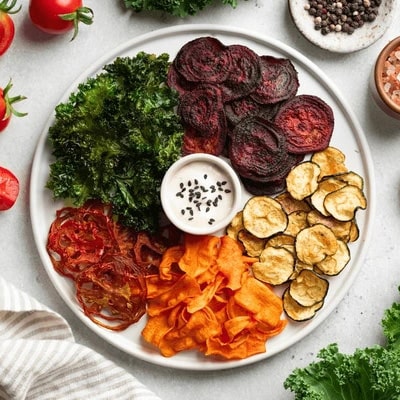
Dried Vegetables
View Products
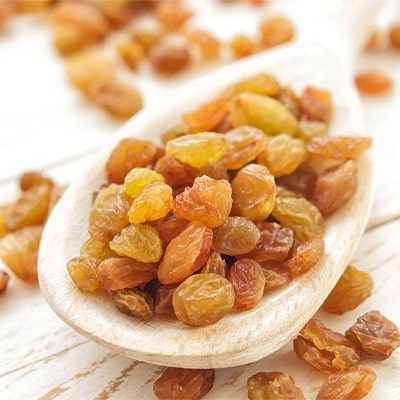
Raisin
View Products
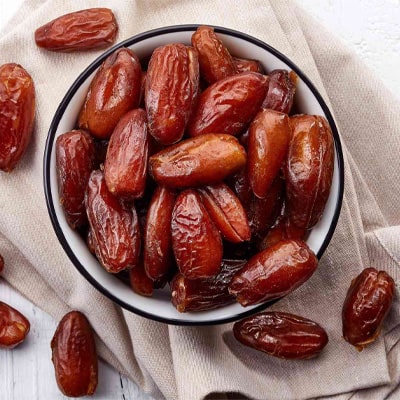
Dates
View Products
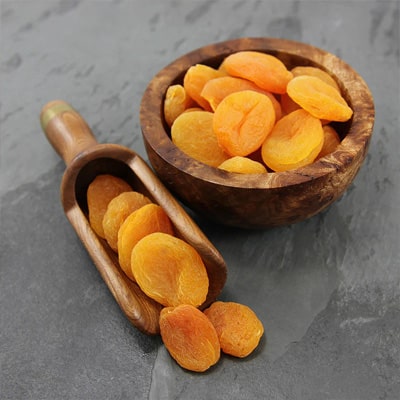
Dried Apricot
View Products
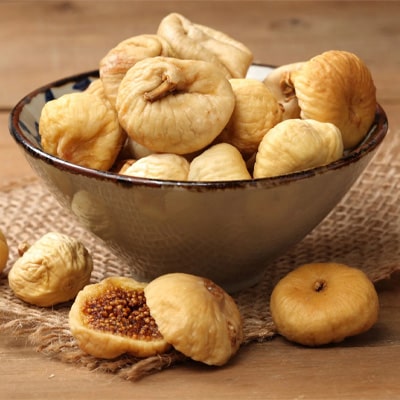
Figs
View Products

Saffron
View Products
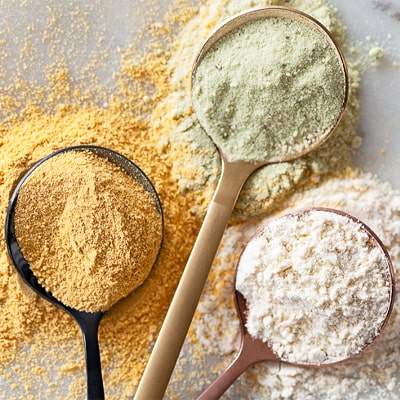
Powders
View Products
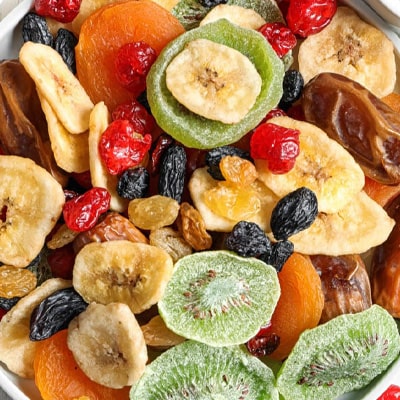
Dried Fruits
View Products
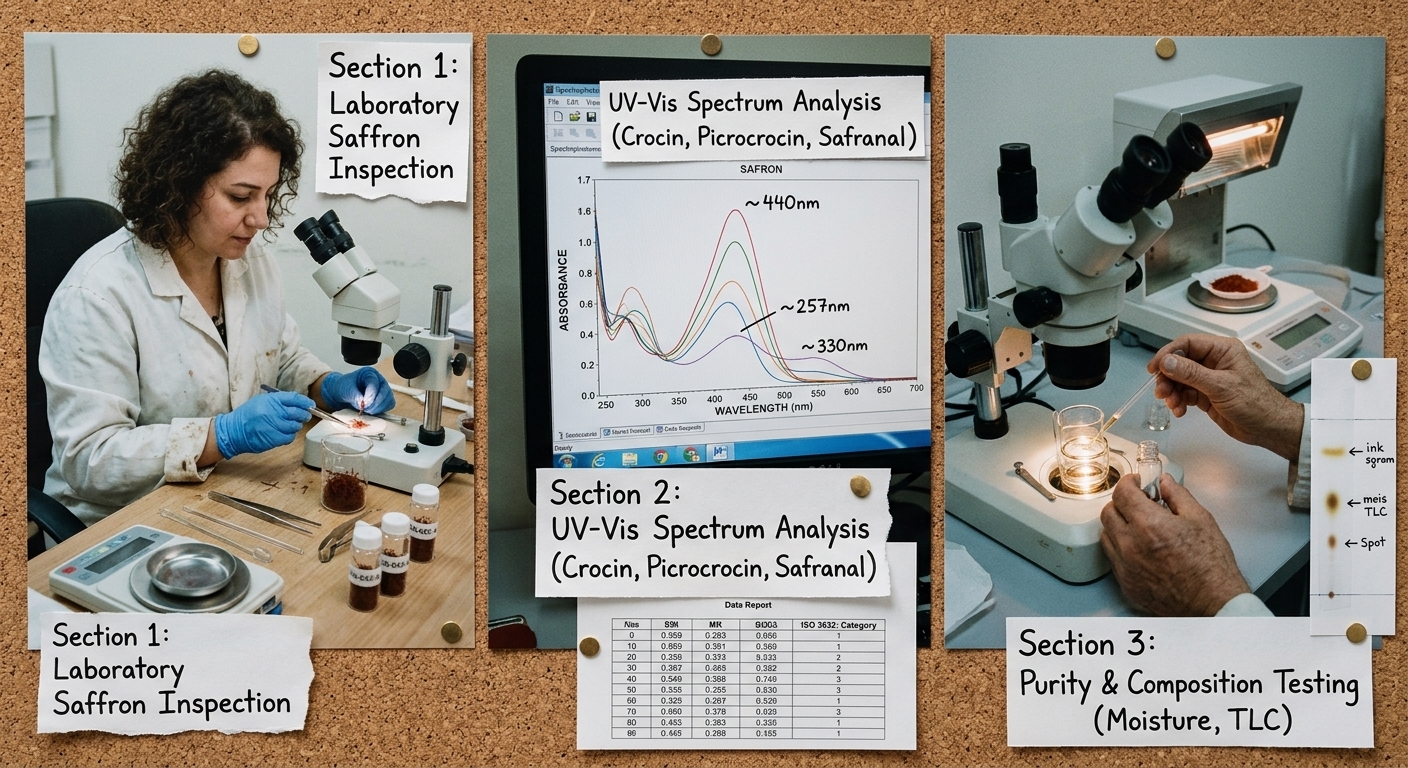
Saffron is one of the most commonly adulterated spices in the world. Buyers and importers need a reliable way to tell genuine saffron from mixed, dyed or low-grade product. There are two levels of testing: quick visual checks, and laboratory analysis under ISO 3632.
These simple checks help you spot obvious problems, but they cannot prove purity on their own.
ISO 3632 is the international standard for saffron. It defines how saffron is sampled and tested, and it sorts saffron into three quality categories (I, II and III), with Category I being the highest. Testing is done by spectrophotometry on a water extract of the saffron, measuring three key compounds.
| Compound | What It Tells You | Measured As |
|---|---|---|
| Crocin | Coloring strength | Absorbance at about 440 nm |
| Picrocrocin | Taste (bitterness) | Absorbance at about 257 nm |
| Safranal | Aroma | Absorbance at about 330 nm |
The standard also sets limits for moisture, total ash, acid-insoluble ash and foreign matter.
| Parameter | Category I Requirement |
|---|---|
| Coloring strength (crocin) | ≥ 190 |
| Picrocrocin | ≥ 70 |
| Safranal | 20 – 50 |
| Moisture (whole threads) | ≤ 12% |
Lower categories have lower minimum values for crocin and picrocrocin, so the numbers on a lab report tell you exactly which category a batch falls into.
Visual checks cannot detect everything. Synthetic dyes, for example, are identified by laboratory methods, not by eye. A proper test also confirms the crocin, picrocrocin and safranal levels that determine real quality and value.
If a supplier cannot show a lab report for the batch you are buying, treat the quality claim with caution.
Use visual and water checks to filter out obvious problems, and rely on ISO 3632 lab results to confirm quality. For bulk orders, always compare the CoA with the product you receive.
Looking for lab-tested saffron? See our Wholesale Negin Saffron with ISO 3632 documentation, or request a sample.