
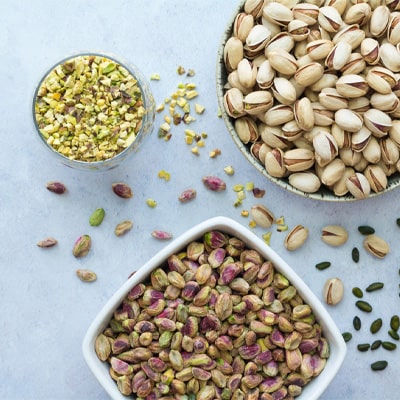
Pistachio
View Products

Frozen Drieds
View Products

Dried Vegetables
View Products
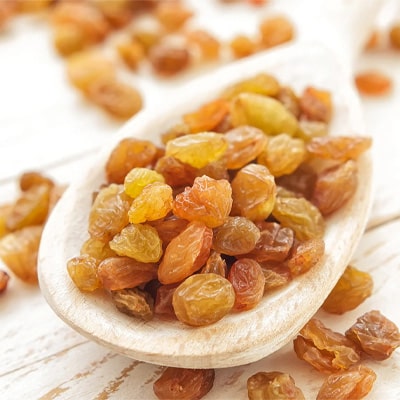
Raisin
View Products
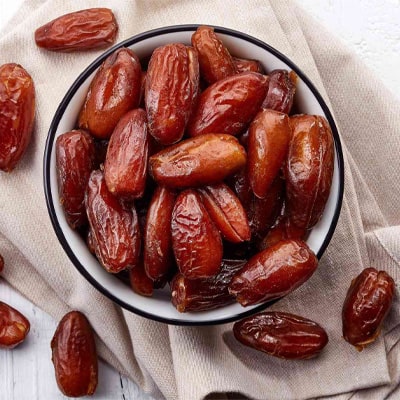
Dates
View Products
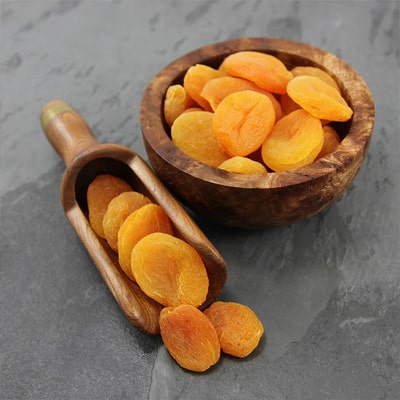
Dried Apricot
View Products
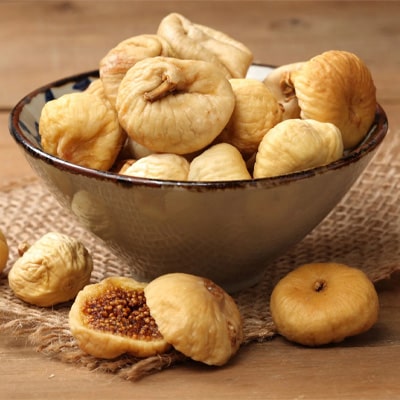
Figs
View Products

Saffron
View Products

Powders
View Products
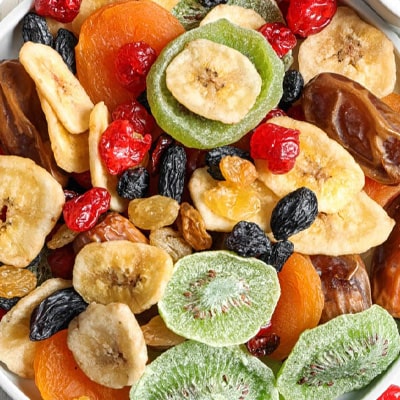
Dried Fruits
View Products
View Products
View Products
View Products
View Products
View Products
View Products
View Products
View Products
View Products
View Products
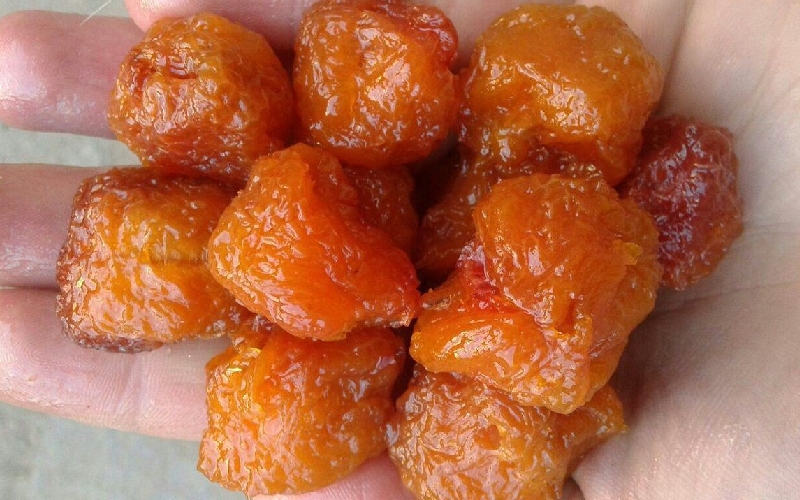
Dried fruit such as Dried Aloo Bukhara, also known as dried plum or prune, is a high-demand dried fruit used in retail snacks, cooking, sauces, confectionery, and health-focused food markets. For importers and wholesalers, the key priorities are stable quality, competitive price per kg, and reliable export supply.
Iran is one of the strongest origins for Iranian Dried Aloo Bukhara, offering rich flavor, consistent quality, and attractive wholesale pricing for global buyers.
Dried Aloo Bukhara comes from varieties of Prunus domestica grown mainly in Iran, India, and Central Asia. The fruit is harvested at peak ripeness, sun-dried or mechanically dehydrated, and processed for export. Its deep color, natural tartness, and rich nutrient profile make it popular for snacks, sauces, and traditional dishes. Global trade reports indicate rising demand, particularly from the Middle East and European markets, due to its versatility and long shelf life.
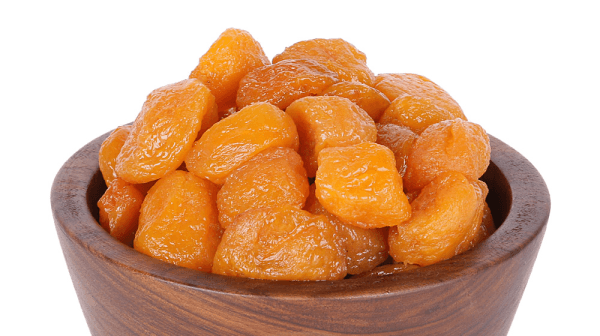
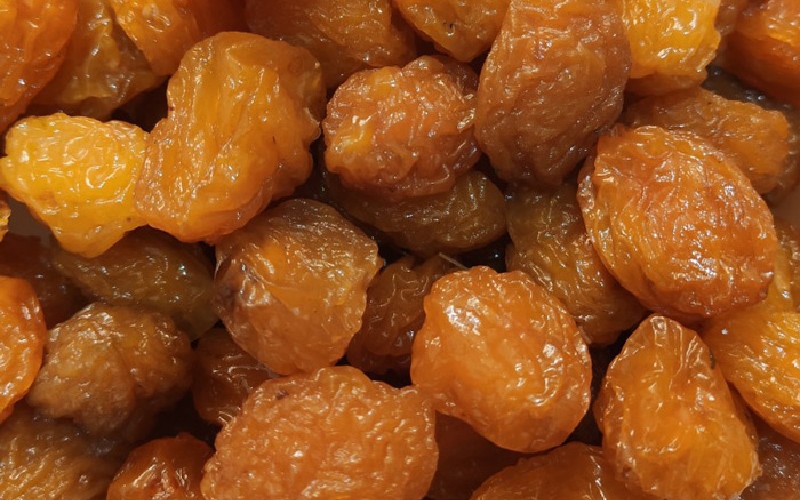
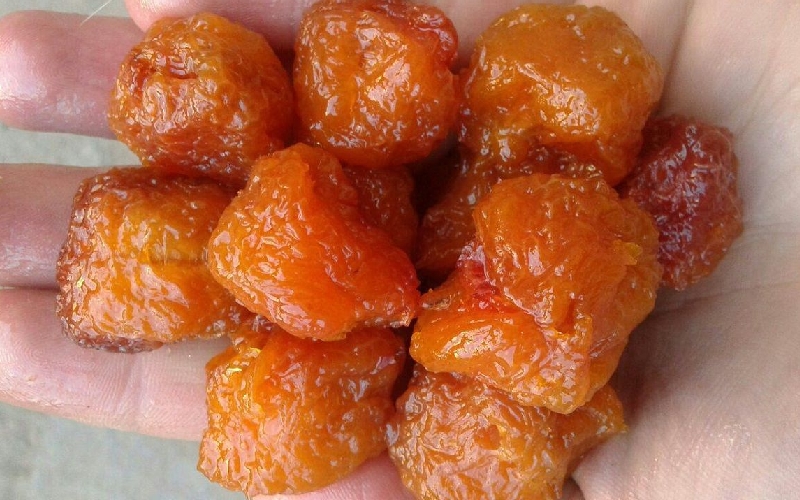
Dried Aloo Bukhara is produced from selected plum varieties harvested at full maturity, then naturally sun-dried or mechanically dehydrated. The result is a sweet and tangy dried fruit with a soft chewy texture and long shelf life.
Common uses include:
Iranian producers are known for strong agricultural supply chains and export experience. This makes Iran a preferred source for buyers seeking consistent product standards.
Scientific studies show that dried plums contain high levels of antioxidants, fiber, and vitamins. These properties support digestive health and make the fruit a desirable ingredient for functional foods. For bulk buyers, its stable shelf life and dense flavor mean lower wastage and higher value per kilogram. According to international trade statistics, the dried plum sector has experienced consistent growth, driven by both health trends and supply stability.

Based on recent wholesale market ranges, export offers, and regional trade prices, dried Aloo Bukhara prices vary by grade, moisture level, packaging, and order size.
| Grade | Price USD/kg |
|---|---|
| Standard Commercial Grade | 2.10 – 3.00 |
| Premium Export Grade | 3.10 – 4.60 |
| Selected Large Size / Low Moisture | 4.70 – 5.80 |
These ranges align with recent market listings for dried plums/prunes and retail/export offers from regional sellers.
| Market Type | Price INR/kg |
|---|---|
| Standard Retail | 250 – 450 |
| Premium Imported | 500 – 900 |
| Specialty Packs | 900+ |
Based on recent India marketplace listings.
| Feature | Typical Standard |
|---|---|
| Moisture | 18% – 24% |
| Shelf Life | 12 – 18 Months |
| Color | Dark Red to Black |
| Taste | Sweet and Tart |
| Packaging | Carton / Vacuum Pack |
| Origin | Iran |
We provide packaging based on buyer needs and destination market rules.
We support supply to:
Importers who focus on premium quality benefit from fewer returns, longer shelf life, and stronger customer trust. High-grade products typically have uniform size, low moisture content, and minimal defects.
Reputable suppliers provide third-party lab test reports that confirm compliance with food safety standards such as ISO 22000 and HACCP. This verification process ensures smooth customs clearance and reduces the risk of costly shipment rejections.
Good-quality dried Aloo Bukhara should feel pliable without being sticky. Moisture levels usually range between 18 and 24 percent, depending on market requirements.
Ask suppliers for laboratory results and quality certificates. Reliable exporters share pesticide residue analyses, microbial reports, and origin certificates.
Proper packaging, such as vacuum sealing or nitrogen flushing, protects the fruit during transit. Buyers should also evaluate cold storage options for extended freshness.
Market price depends on several variables including harvest quality, processing method, packaging standards, and international shipping costs. Seasonal fluctuations play a major role. During peak harvest months, prices stabilize, while off-season demand may cause temporary spikes. Exchange rates and trade policies also influence final landed costs for importers.
Modern trade platforms and exporter websites allow buyers to request quotes, compare grades, and place bulk orders efficiently. Many suppliers now offer real-time inventory updates and online tracking, reducing delays and improving transparency.
Buyers compare more than price. They need dependable service and low risk.
When stored in a cool, dry place in sealed packaging, it typically lasts 12 to 18 months without significant quality loss.
Request lab test reports, certifications, and samples. Reputable exporters provide these documents readily.
Most markets allow its import, but buyers should check pesticide residue limits, microbial standards, and packaging regulations in their country.
It is used for snacks, cooking, sauces, desserts, and traditional dishes.
It is commonly called dried plum or prune, depending on variety.
Wholesale prices usually range from USD 2.20 to 5.20 per kg depending on grade and order size.
Excess consumption may cause digestive discomfort because of natural fiber and sorbitol content.
Yes. Bulk cartons and export shipments are available from suppliers.














William –
Which certifications should I look for before importing؟
PAgy@58K21R –
Look for HACCP, ISO, or local food safety certificates. These prove good hygiene and quality