
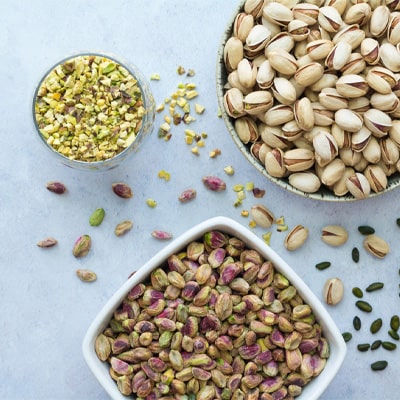
Pistachio
View Products
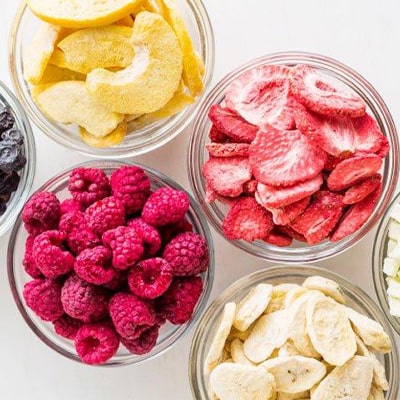
Frozen Drieds
View Products
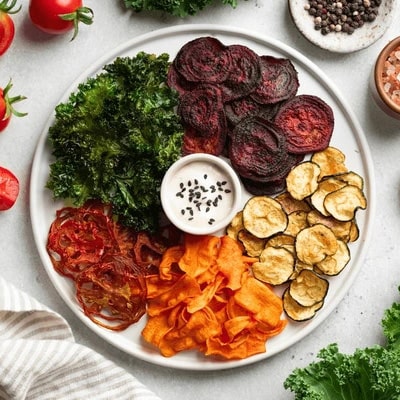
Dried Vegetables
View Products
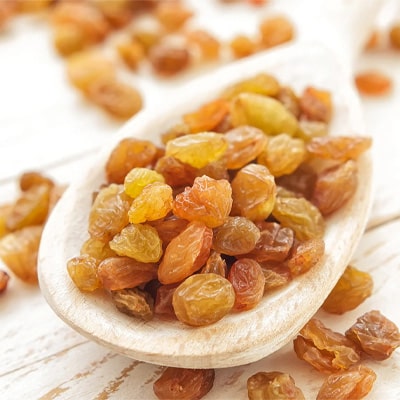
Raisin
View Products
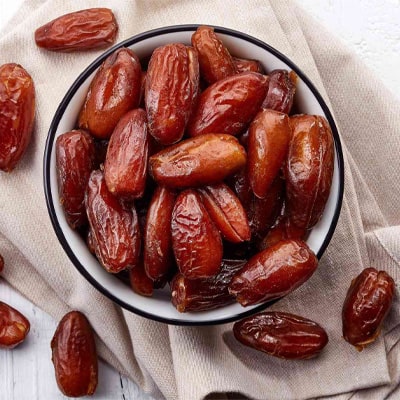
Dates
View Products
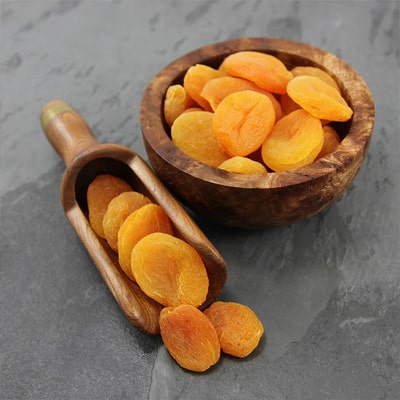
Dried Apricot
View Products
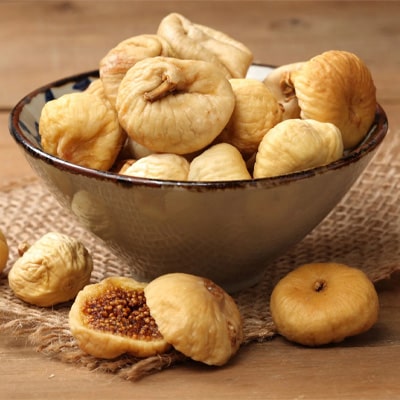
Figs
View Products

Saffron
View Products
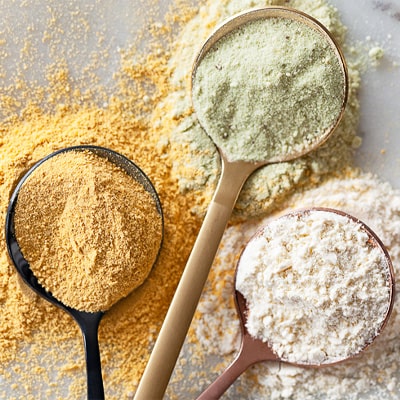
Powders
View Products
Dried Fruits
View Products
View Products
View Products
View Products
View Products
View Products
View Products
View Products
View Products
View Products
View Products
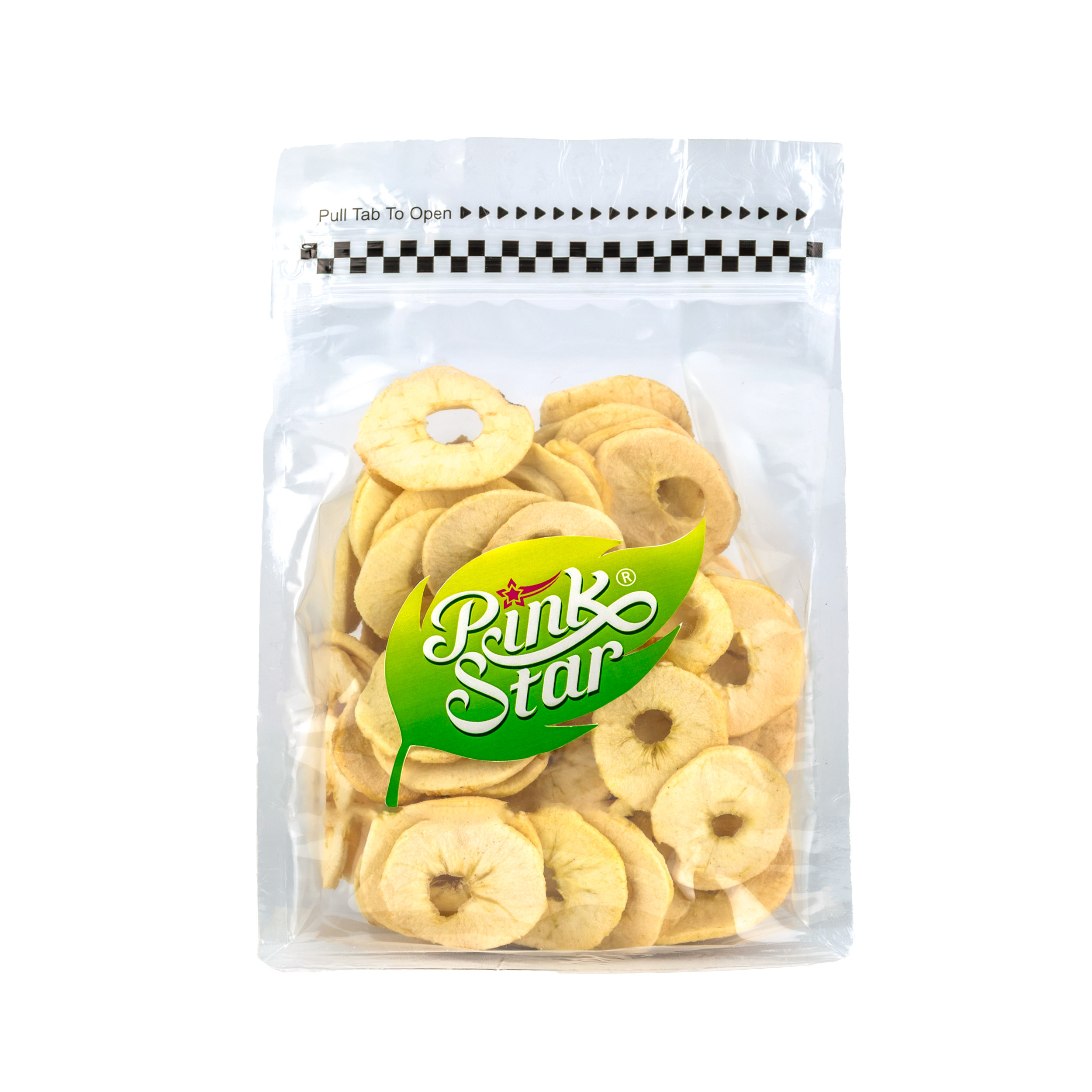
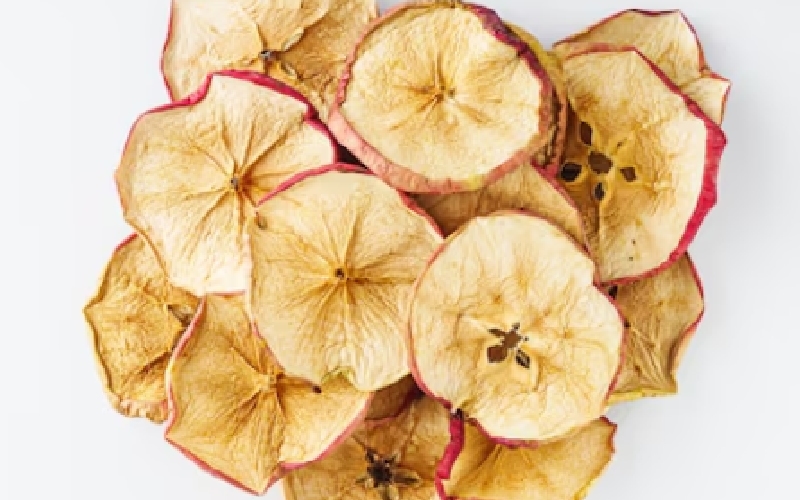
Iranian dried apple is becoming one of the most demanded natural dried fruits in global trade markets. Buyers from Europe, the Middle East, and North America are increasingly sourcing it for its natural sweetness, clean processing, and competitive bulk pricing. Unlike many industrial dried fruits, Iranian dried apples are produced with minimal additives and strong quality control standards, making them suitable for both retail and industrial food applications.
For importers and wholesale buyers, sourcing the right supplier is not just about price. It is about consistency, food safety, export documentation, and long-term supply reliability.
Iran has ideal agricultural regions such as Urmia, Semirom, and West Azerbaijan, where apples are grown in rich soil and cold climates. These conditions produce firm, high-sugar apples that are perfect for dehydration.
The global demand is driven by three main factors:
In global trade reports, dried apple imports have shown steady growth due to rising demand for healthy snacks and clean-label ingredients.
Pricing depends on cut type, moisture level, packaging, and export terms. Below is a realistic market overview for bulk buyers:
| Product Type | Export Price USD/kg | Market Use |
|---|---|---|
| Standard dried apple slices | 2.10 – 2.80 | Retail snacks |
| Soft dried apple | 2.80 – 3.60 | Premium food use |
| Tea cut apple pieces | 1.90 – 2.50 | Tea blends |
| Freeze dried apple | 5.50 – 8.50 | High-end food industry |
Retail prices in Europe and the USA are typically 2 to 3 times higher than export prices, depending on packaging and branding.

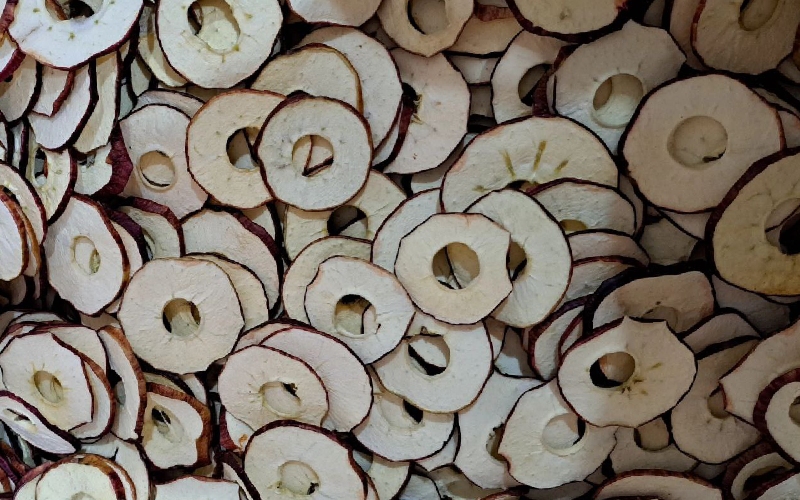
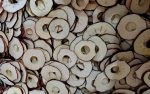
Thinly sliced apples with natural sweetness and flexible texture. Ideal for direct consumption and bakery use.
Higher moisture retention creates a chewy texture suitable for premium retail packaging.
Smaller cuts used in herbal tea blends, infusions, and food manufacturing.
Advanced dehydration method preserving maximum flavor and nutrients for high-end markets.

Iranian dried apples are rich in:
According to global food composition databases, dried apples contain significantly higher fiber density per gram compared to fresh apples due to moisture removal.
For international trade, packaging plays a critical role in product quality preservation.
Iranian exporters typically use:
Export shipments comply with standards such as:
FOB and CIF shipping terms are available depending on buyer requirements.
Iranian dried apples are widely used in:
Their natural sweetness allows manufacturers to reduce added sugar usage in final products.
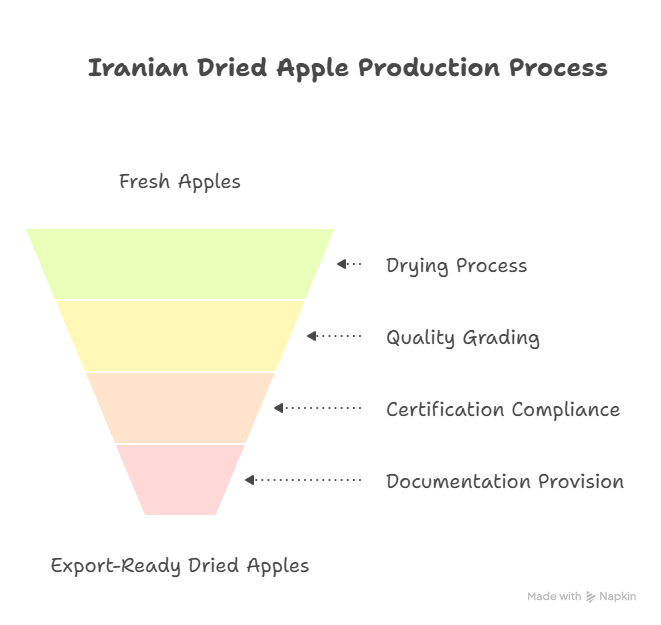
Working with Iranian exporters provides strategic advantages:
These advantages make Iran a strong sourcing hub for dried fruit importers.
Before placing bulk orders, professional buyers evaluate:
Ensure supplier provides ISO 22000 and HACCP certificates.
Standard dried apples should remain below 12 percent moisture for stability.
Always request product samples before full container orders.
Experienced exporters reduce customs and logistics risks.
Iranian dried apple exports are shipped globally through major ports such as Bandar Abbas.
Typical logistics details:
Key destinations include Germany, UAE, Canada, India, and GCC countries.
Iran Fruit is positioned as a professional exporter of Iranian dried fruits and agricultural products for global buyers.
Key strengths include:
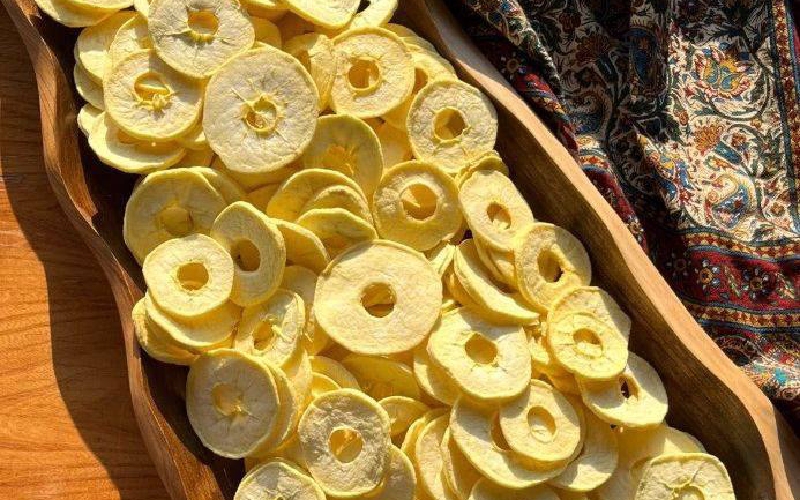
If you are a distributor, importer, or food manufacturer looking for stable supply of dried apples, Iran offers one of the most competitive sourcing opportunities globally.
Request bulk pricing, samples, or private label solutions to start your procurement process today.
Prices typically range between $1.80 to $3.00 USD per kilogram, depending on variety, grade, and export terms.
Popular varieties include Red Delicious, Golden Delicious, Fuji, and Granny Smith, sourced mainly from Semirom and Azerbaijan provinces.
Most exporters offer ISO 22000, HACCP, Halal, and phytosanitary certifications.
Bulk prices usually range from $2.10 to $3.60 per kg depending on cut, moisture, and packaging.
Yes. They contain fiber, antioxidants, and natural fruit sugars.
Yes. Many suppliers offer cartons, pallets, and private label options.
Yes. They are widely exported to Europe, GCC, and Asian markets with full food safety documentation.













Reviews
There are no reviews yet.