
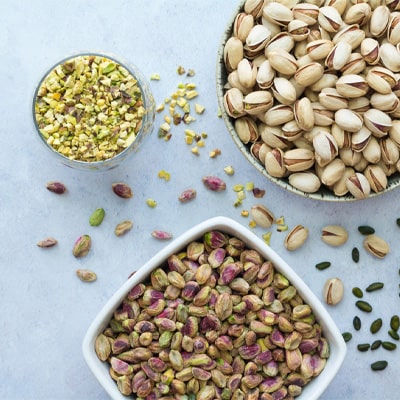
Pistachio
View Products
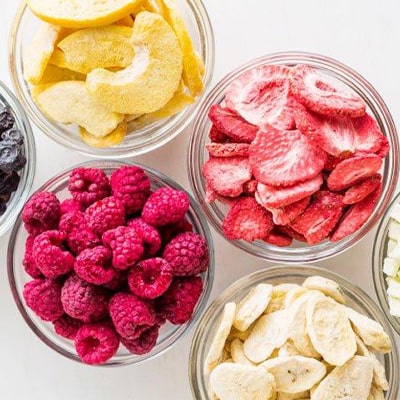
Frozen Drieds
View Products
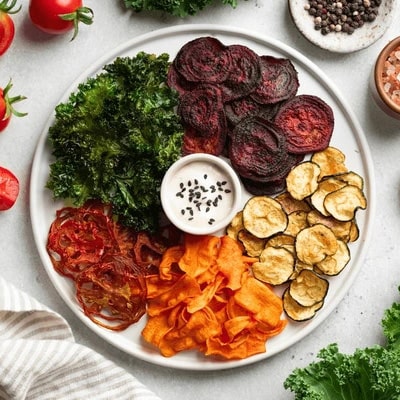
Dried Vegetables
View Products
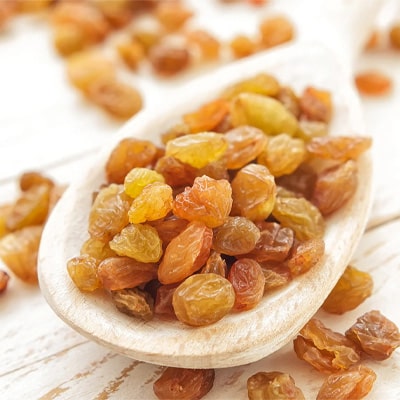
Raisin
View Products
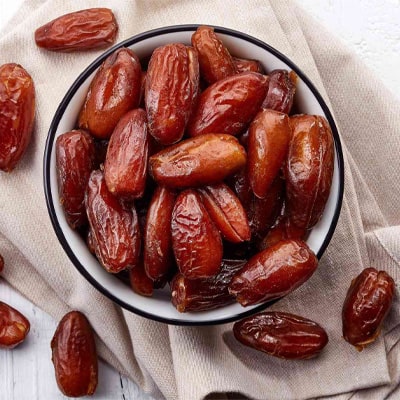
Dates
View Products
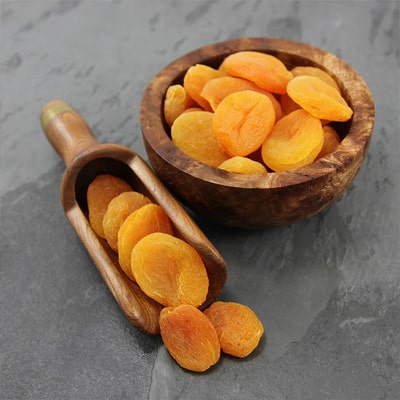
Dried Apricot
View Products
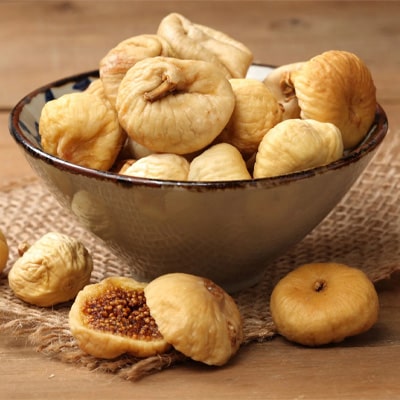
Figs
View Products

Saffron
View Products
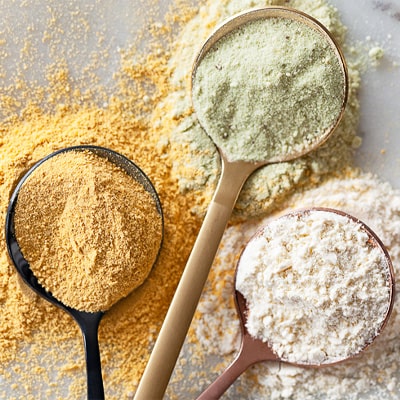
Powders
View Products
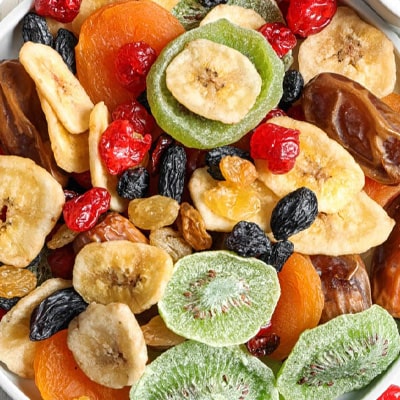
Dried Fruits
View Products
View Products
View Products
View Products
View Products
View Products
View Products
View Products
View Products
View Products
View Products
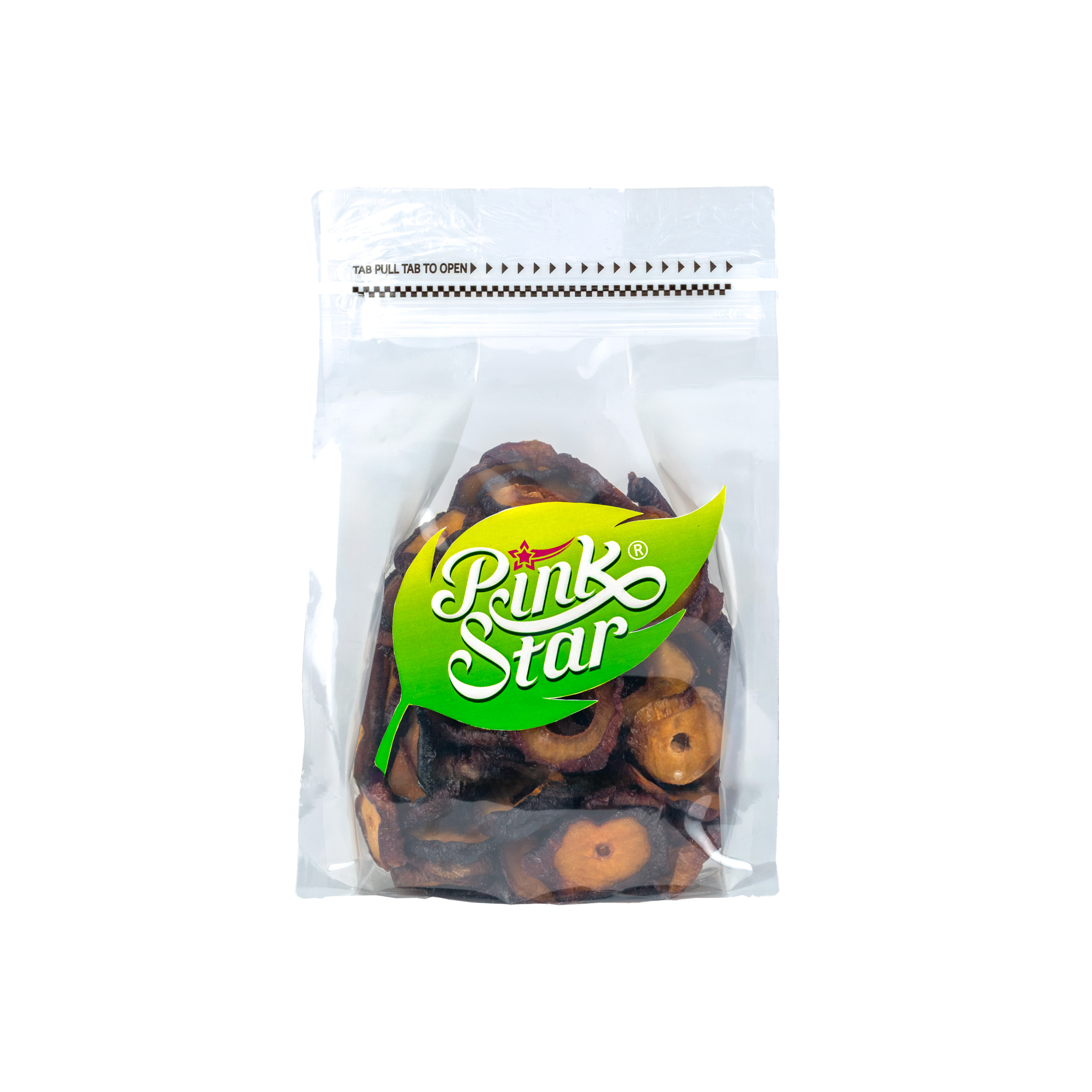
Iranian dried plums have long been prized for their rich taste, superior quality, and nutritional benefits. For buyers and importers seeking bulk dried fruit options, understanding what makes Iranian dried plum stand out is essential. This article will guide you through the varieties, qualities, health aspects, and sourcing considerations that make Iranian dried plum a valuable product for global distributors. You will discover practical insights that simplify your procurement decisions and improve your product offerings.
Have you ever wondered why dried plums from Iran enjoy such demand worldwide? It’s not just the flavor. It’s about tradition, careful processing, and strict quality control that together create a product trusted by buyers across many markets.
Iran is one of the world’s leading producers of dried plums, with specific regions known for ideal growing conditions. These plums are carefully sun-dried using traditional methods that preserve natural sugars and flavors without artificial additives. The most popular varieties include Alucha and Kabos, each offering a distinct taste and texture. The drying process concentrates antioxidants and dietary fiber, making the fruit a healthful snack.
Compared to other dried fruits, Iranian dried plum maintains a balanced sweetness and slight tartness, which appeals to consumers seeking natural flavors without added preservatives. This natural processing method extends shelf life while keeping the fruit soft and chewy.
Dried plums provide a rich source of dietary fiber, vitamins (such as vitamin K and A), and antioxidants that support digestive health and reduce oxidative stress. Scientific studies show that consuming dried plums regularly can contribute to improved bone health and better cardiovascular function.
In the kitchen, Iranian dried plums are versatile. They can be eaten as a snack or incorporated into stews, salads, desserts, and traditional Persian dishes. Their natural sweetness enhances both savory and sweet recipes, making them popular among chefs and home cooks alike.
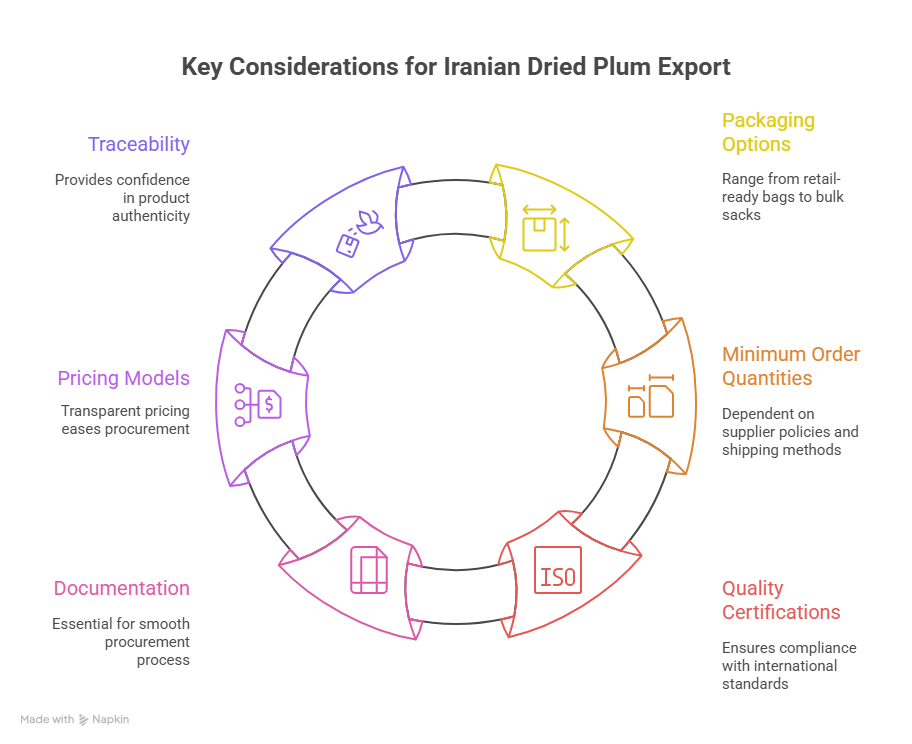
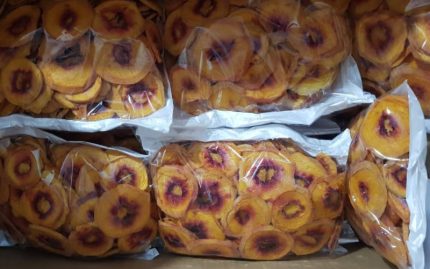
For bulk buyers and importers, understanding export logistics is crucial. Iranian dried plums are available in various packaging options, from retail-ready bags to large bulk sacks. Minimum order quantities often depend on supplier policies and shipping methods.
It is important to check that suppliers meet international quality certifications, such as ISO or HACCP standards, to ensure compliance with your country’s import regulations. Proper documentation and transparent pricing models ease the procurement process. Reliable suppliers also offer traceability from orchard to shipment, providing confidence in product authenticity.
The global demand for dried fruits, including Iranian dried plums, continues to grow. Exporters from Iran have responded by improving packaging, certification, and supply chain reliability. This makes Iranian dried plum a competitive choice for distributors wanting quality fruit with consistent availability.
By sourcing directly from trusted Iranian orchards, buyers benefit from fresh stock, attractive pricing, and the ability to tailor orders according to market needs. This relationship reduces delays and enhances supply predictability.
To preserve quality after purchase, dried plums should be stored in cool, dry places away from direct sunlight. Proper packaging minimizes moisture absorption and contamination. When stored correctly, Iranian dried plums can maintain freshness and nutritional value for up to 12 months.

Iranian dried plums are traditionally sun-dried without additives, preserving natural flavors and nutrients with a balanced sweet-tart profile.
Bulk purchases are available through authorized Iranian exporters and distributors, often with flexible packaging and competitive pricing.
Look for suppliers with ISO, HACCP, or local agricultural certifications to guarantee safety and export compliance












Reviews
There are no reviews yet.