Pistachio
View Products
Freeze Drieds
View Products
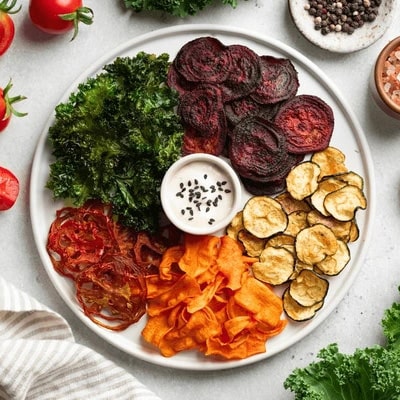
Dried Vegetables
View Products
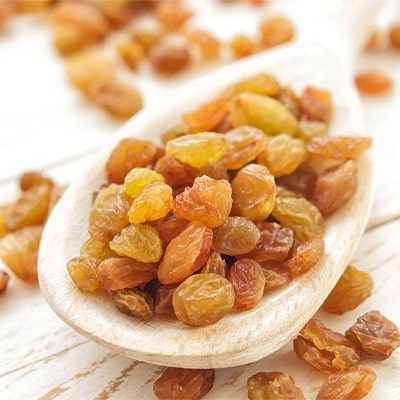
Raisin
View Products
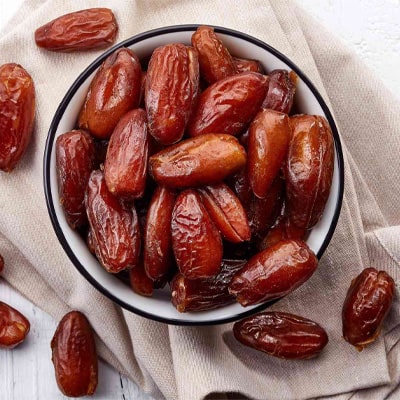
Dates
View Products
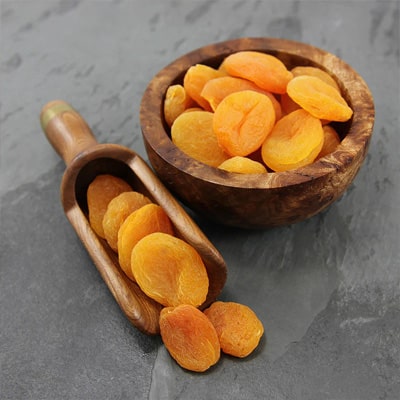
Dried Apricot
View Products
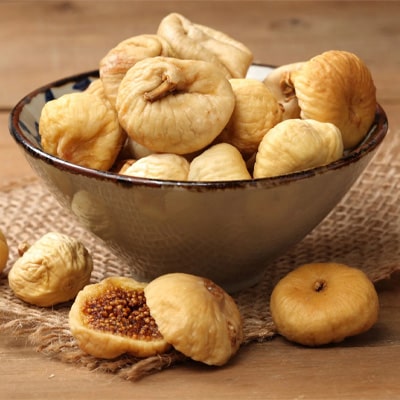
Figs
View Products

Saffron
View Products
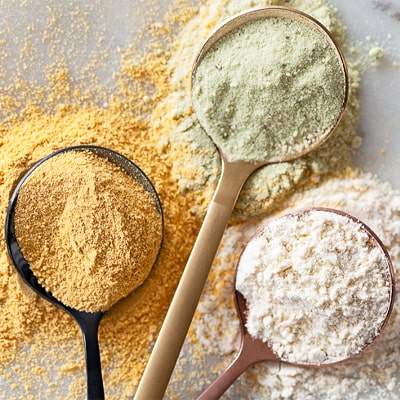
Powders
View Products
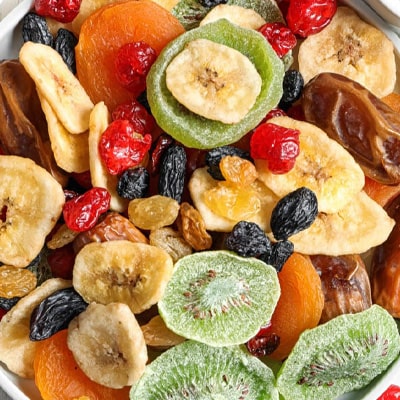
Dried Fruits
View Products
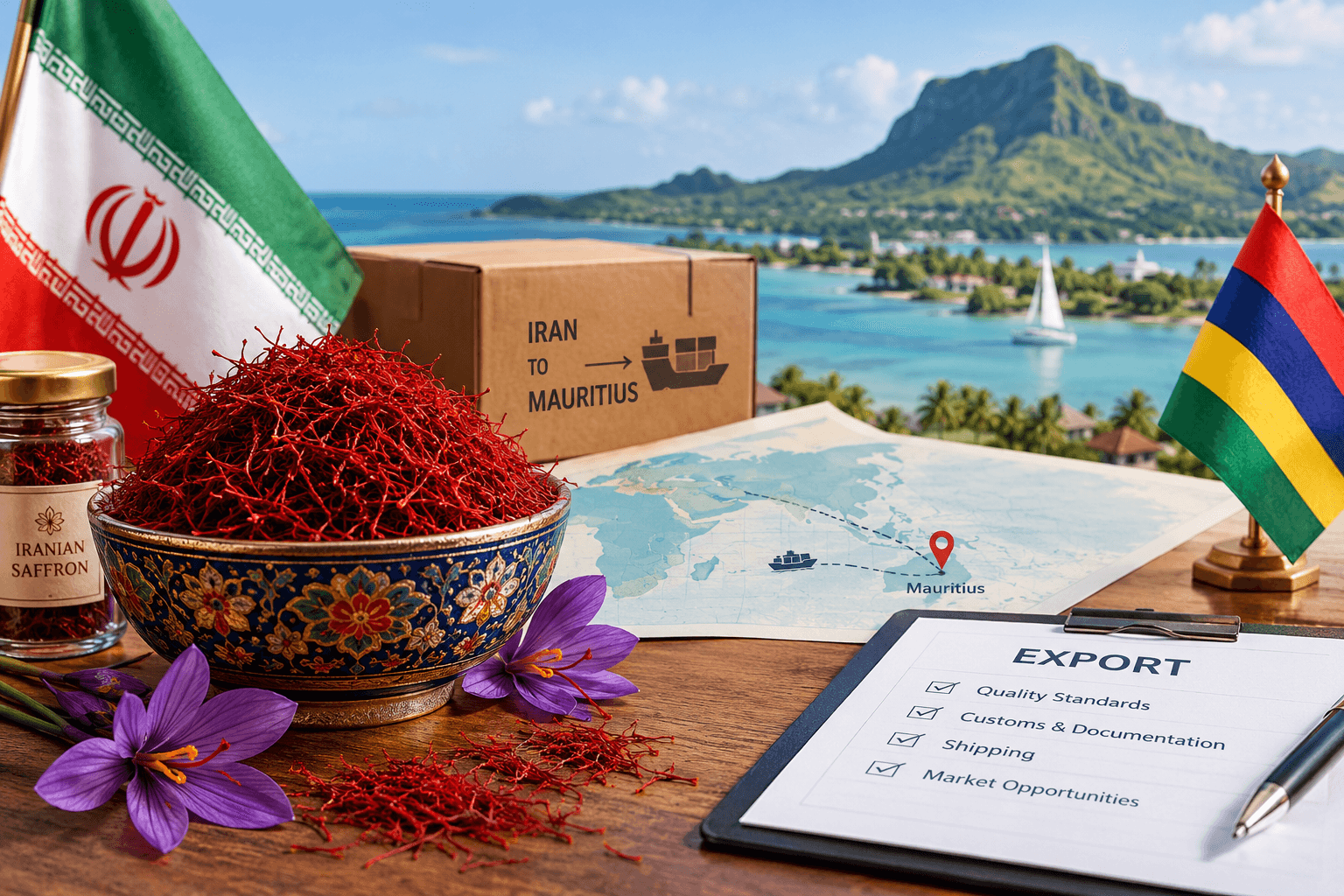
Quick answer: Mauritius is a small but steady saffron market. It imported about $435,000 of saffron in 2023, and demand comes from hotels, Indo-Mauritian kitchens, and food producers. To sell there, you need a local importer with food clearance from the Ministry of Health, correct origin labelling, and an ISO 3632 lab report. Routing is the hard part right now, so confirm it before you quote.
[PinkStar]. Updated October 2026.
Mauritius won’t make you rich in one shipment. About 1.24 million people live there, and the saffron trade is measured in hundreds of thousands of dollars, not millions.
But the buyers are the right kind. Mauritius received 1,436,250 tourists in 2025, up 3.9%, and tourism earnings were expected to pass Rs 100 billion. Visitors stay long, averaging 11.4 nights. That means hotels, resorts, and restaurants buying premium ingredients all year.
Then there’s the kitchen. Arrivals from India grew 33.5% in 2025, and Indian-origin cuisine is part of everyday Mauritian food. Biryani, dum dishes, and sweets all call for saffron.
Here’s what the latest trade statistics show (2023 is the most recent year on the source we used):
| Metric | Value |
|---|---|
| Saffron imports (HS 0910.20) | about $435,000 |
| All spices in HS heading 0910 | about $2.03 million |
| Saffron’s share of that heading | 21% |
| Top suppliers of heading 0910 | India 39%, Pakistan 13.3%, Spain 12%, Iran 9.35% |
One caution: the supplier shares cover the whole spice heading, not saffron alone. Still, they show that Iran is already on the map, and that India and Spain are the names you’ll be compared with.
For context, Iran supplies more than 90% of the world’s saffron. It exported 214.3 tons worth $184.7 million in the Iranian year ending March 2025. That works out to roughly $860 per kg on average, a figure from our own division of the customs numbers. Your quote should be built around grade and lab results, not that average.
| Grade | Likely buyer | Why it fits |
|---|---|---|
| Super Negin / Negin | Hotels, gourmet shops | Premium look, strong aroma |
| Sargol | Restaurants, caterers | Strong color, better value per use |
| Pushal | Food producers | Cost-efficient for volume |
| Small retail packs | Supermarkets, tourist shops | Packaging and price per gram drive the sale |
Whatever the grade, back it with an ISO/TS 3632 report. Category I requires coloring strength of at least 190, picrocrocin of at least 70, and safranal between 20 and 50. Category II starts at 150 and 55, and Category III at 110 and 40. Importers trust a lab number more than any adjective.
Food clearance. Foodstuffs are cleared through the Food Import Unit at the Ministry of Health. The Food Act 2022 and its regulations cover pre-packed food labelling, allergen information, and customs clearance of food.
Origin label. Mauritian rules require imported goods for sale to carry a conspicuous country-of-origin label. “Product of Iran” must be clear on the pack.
VAT and duty. VAT is charged on imports at 15%, whether or not the importer is VAT-registered. The rate hasn’t moved since 2002, and Budget 2026/27 left it alone. Duties are normally calculated on the CIF value. Most agricultural tariff lines are duty-free, but we haven’t confirmed the rate for HS 0910.20 specifically. Your importer or the Mauritius Revenue Authority tariff lookup will give you the exact figure.
Ask your importer for their exact checklist before production, not after.
Saffron is light and valuable, so it suits air freight. The problem is getting out of Iran.
Since early 2026, traffic through the Strait of Hormuz has been badly disrupted, and southern ports are affected by the US naval blockade. Iran has pushed more trade through land borders, but crossings with Turkey and Pakistan have seen long queues and delays. Air options have also narrowed.
What this means for you:
Costs on alternative routes are higher than before. Build that in honestly.
Banks on both sides apply their own compliance rules to Iran-related payments. Agree on payment terms before you produce anything. Common structures are full or partial advance payment, with the balance on shipment. Speak with a qualified trade-compliance adviser, and make sure your Mauritian buyer has done the same.
Send a lab-tested sample first. Then propose a small first order with clear grade specs. A first order of a few kilos builds more trust than a long price list.
Yes. It’s a regular food spice, but it must clear Ministry of Health food controls and customs.
15% on importation.
Negin and Super Negin for hotels and gourmet buyers, Sargol for restaurants.
For saffron, usually yes, because of its value and low volume. Today, availability matters more than preference, so confirm routing first.
In practice, yes. The importer handles food clearance and local compliance.
Mauritius rewards exporters who are organized, patient, and transparent. Bring a certified grade, clean labelling, and an honest delivery plan, and a small market can become a steady one.
Planning a shipment? [Contact [PinkStar] for lab-tested samples and a written quotation → WhatsApp/ Email ]