Pistachio
View Products
Frozen Drieds
View Products
Dried Vegetables
View Products

Raisin
View Products
Dates
View Products

Dried Apricot
View Products
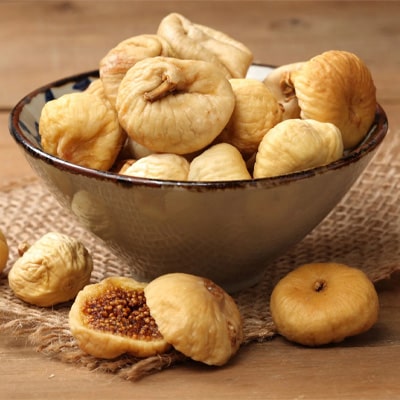
Figs
View Products

Saffron
View Products

Powders
View Products
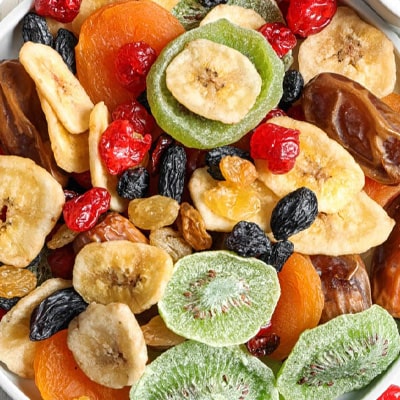
Dried Fruits
View Products
View Products
View Products
View Products
View Products
View Products
View Products
View Products
View Products
View Products
View Products
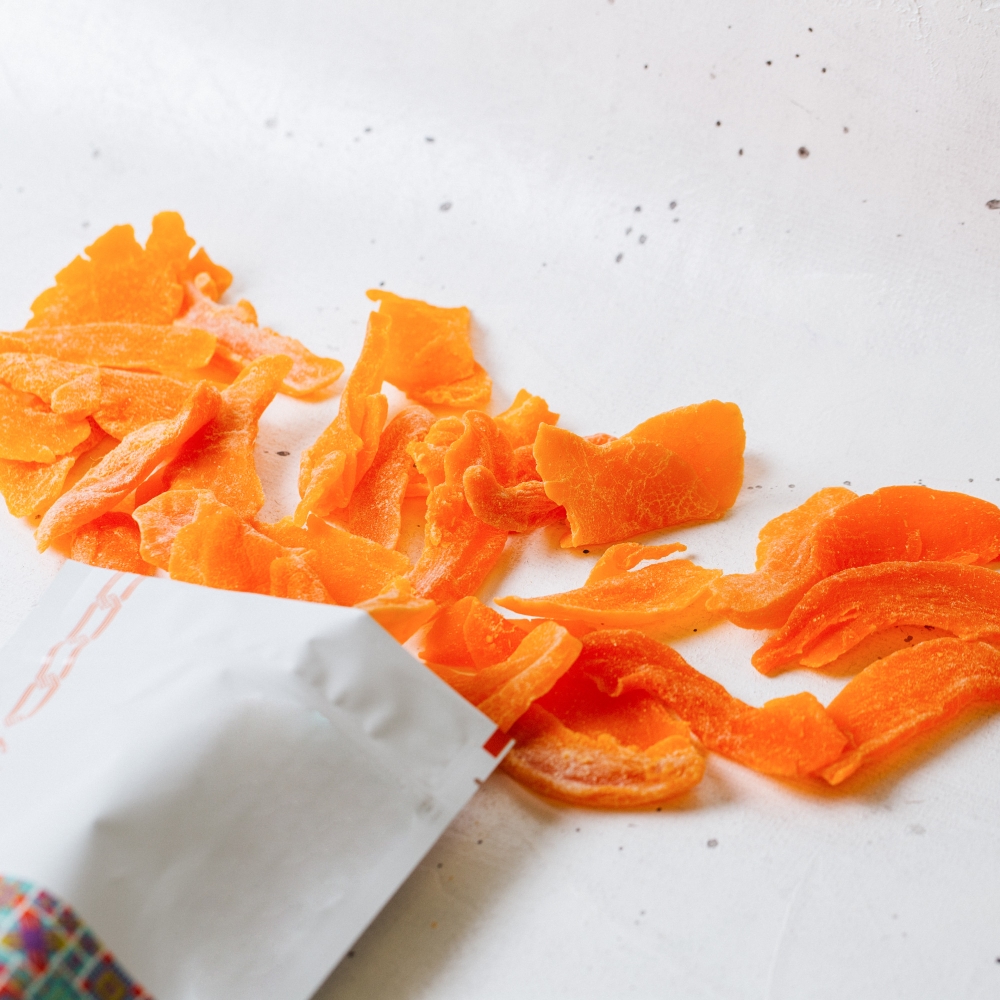
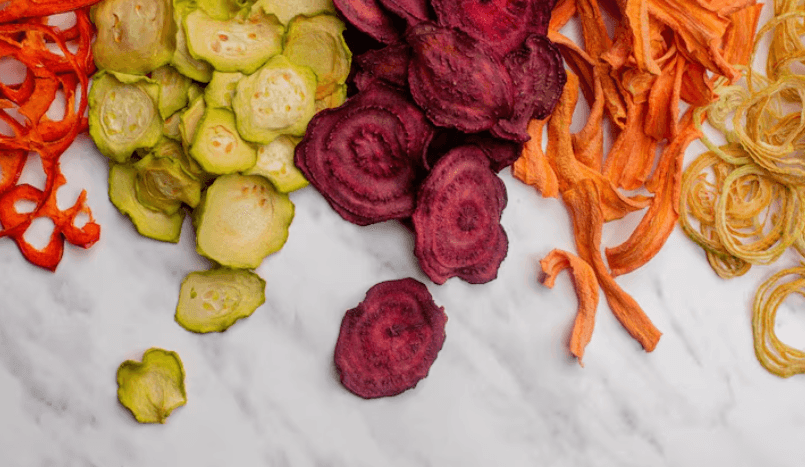
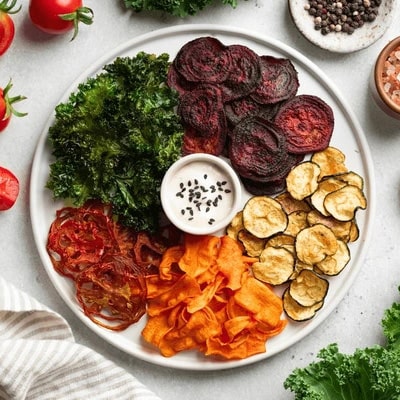
Export prices of Iranian dried vegetables have shown significant fluctuations in recent years. For international buyers and exporters, understanding these changes is essential for better trade decisions and strategic planning.
This article analyzes the key factors driving price shifts and identifies opportunities for stable, profitable exports.
| Product | FOB Price (USD/kg) | Approximate Equivalent (USD/ton) |
|---|---|---|
| Dried Tomato (standard export grade) | $2.00 – $5.00 | $2,000 – $5,000 |
| Dried Paprika | $2.80 – $5.50 | $2,800 – $5,500 |
| Dried Mint | $0.35 – $1.60 | $350 – $1,600 |
Iran ranks among the leading producers of dried vegetables such as dried mint, Dried tomato, and Dried Paprika. According to trade data, the country exports thousands of tons annually to markets including Germany, the UAE, India, and Russia. Prices per ton, often ranging from USD 1,800 to USD 3,000, vary depending on product type and quality. Global inflation, logistics costs, and currency fluctuations have further amplified these shifts since 2020.
Iran’s export prices are closely tied to the Iranian rial’s exchange rate against major currencies. When the rial weakens, Iranian exports become more competitive globally, increasing demand but also introducing volatility. Additionally, international sanctions and inflation have affected production costs, impacting final export pricing.
Weather conditions, droughts, and agricultural yield variations create imbalances between supply and demand. During low-yield seasons, prices surge due to limited availability of premium-grade dried vegetables. Conversely, years with high production levels see moderate declines in price as supply exceeds market capacity.
Transportation and packaging contribute significantly to export cost structures. Freight rate increases and container shortages have raised logistics costs across Middle Eastern trade routes. Moreover, compliance with international certifications such as ISO 22000, HACCP, and organic standards adds to product value but also affects pricing.
This diversity in market preference explains why the same product may be priced differently across regions.
read more: Dried Kiwi , A good Source of Vitamin C
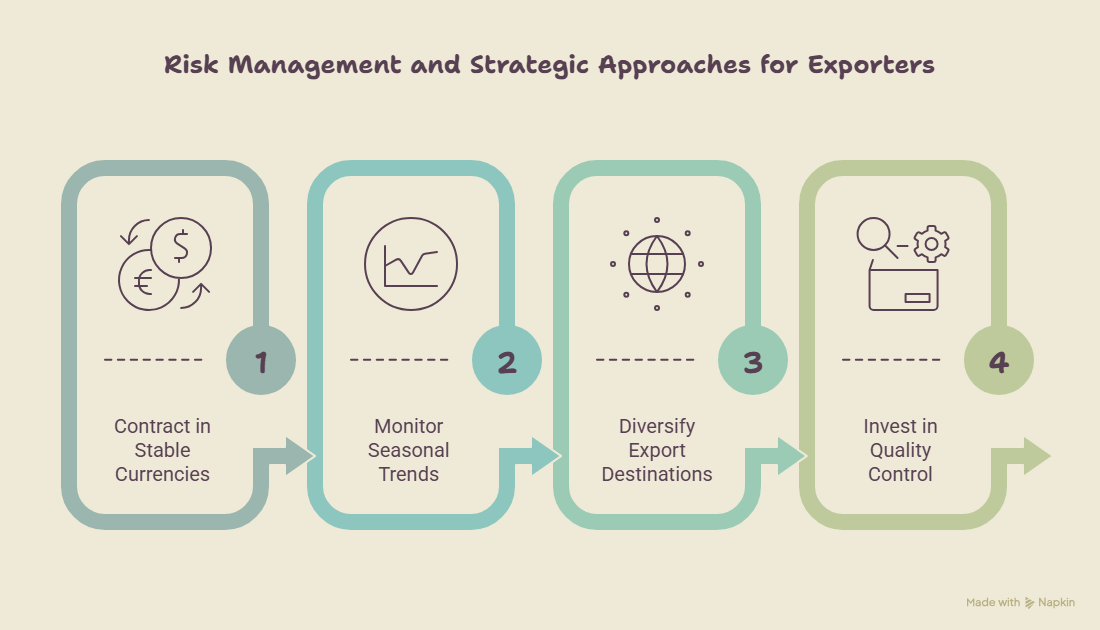
Exporters and importers can mitigate risks through several key practices.
Using USD or EUR-based contracts can reduce exposure to currency fluctuations.
Analyzing harvest cycles and export data helps predict peak and low pricing periods.
Targeting both premium and volume-based markets can stabilize annual revenue.
Maintaining consistent quality allows exporters to command higher and more predictable prices.
Market experts expect moderate price stabilization over the next two years as global logistics recover and inflation rates ease. Growing interest in natural, preservative-free foods will likely sustain high international demand, particularly from Europe and East Asia.
Exporters focusing on sustainable production and transparent supply chains will gain the strongest market positions.

Currency changes, weather conditions, logistics costs, and international demand are the main drivers of price variability.
Germany, the UAE, and premium buyers in Russia and India typically pay the highest prices for Iranian dried vegetables, particularly for organic-certified and high-aroma product grades.
By diversifying destinations, securing long-term contracts, and adopting advanced drying and packaging technologies, exporters can achieve more predictable pricing.