
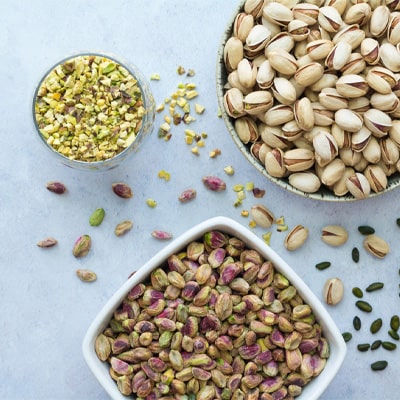
Pistachio
View Products
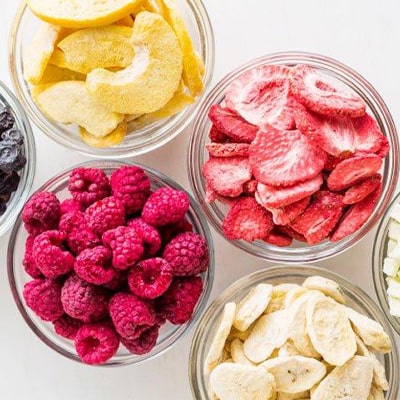
Frozen Drieds
View Products
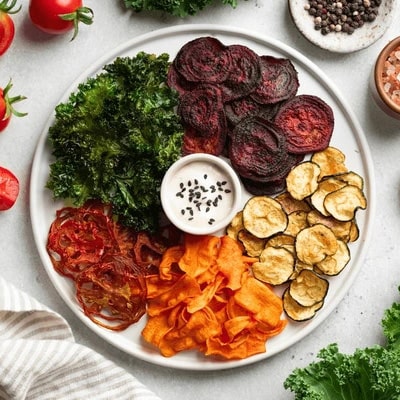
Dried Vegetables
View Products
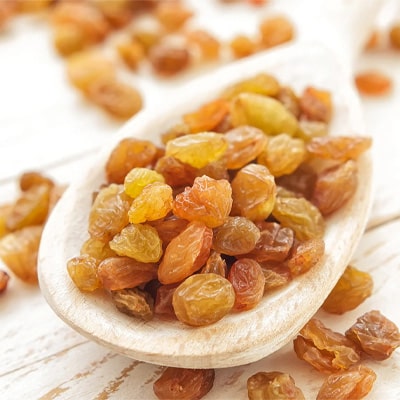
Raisin
View Products
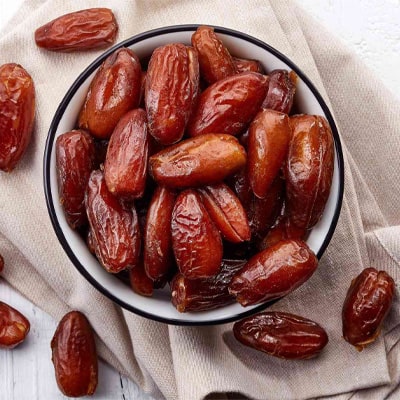
Dates
View Products

Dried Apricot
View Products
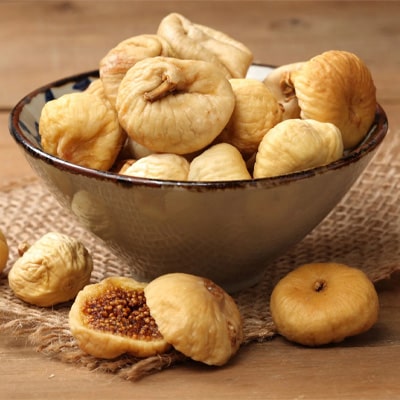
Figs
View Products

Saffron
View Products

Powders
View Products
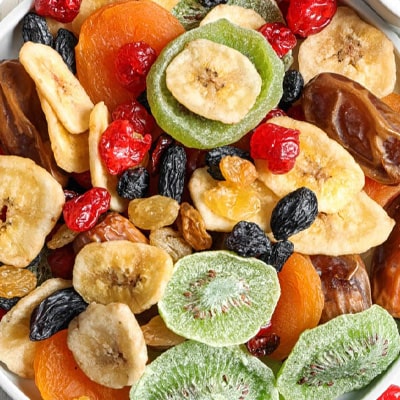
Dried Fruits
View Products
View Products
View Products
View Products
View Products
View Products
View Products
View Products
View Products
View Products
View Products

The best choice depends on the buyer's experience, logistics capabilities, and shipping preferences.

When importing dried fruits, choosing the right shipping term can have a significant impact on costs, logistics, and risk management. Many international buyers focus on product quality and pricing but overlook the importance of Incoterms. As a result, unexpected shipping expenses or misunderstandings may arise during the transaction.
Among all Incoterms, FOB and CIF are two of the most commonly used options in the dried fruit trade. Whether you are importing dried apples, dried kiwi, dried plums, or other dried fruit products from Iran, understanding the difference between FOB and CIF can help you make better purchasing decisions.
FOB (Free on Board) means the exporter is responsible for preparing the cargo, completing export formalities, and loading the shipment onto the vessel at the port of departure. Once the goods are loaded, the risk transfers to the buyer.
CIF (Cost, Insurance, and Freight) includes additional services. The exporter arranges ocean freight and marine insurance up to the destination port. Although the seller pays these costs, the transfer of risk still occurs when the cargo is loaded onto the vessel.
For dried fruit importers, the choice between FOB and CIF often depends on logistics experience, freight partnerships, and purchasing volume.
The main difference between FOB and CIF is who manages transportation and insurance.
| Factor | FOB | CIF |
|---|---|---|
| Ocean Freight | Buyer | Seller |
| Marine Insurance | Buyer | Seller |
| Freight Booking | Buyer | Seller |
| Shipping Control | Higher | Lower |
| Initial Price | Lower | Higher |
| Logistics Complexity | Higher | Lower |
Importers with established freight forwarders often prefer FOB because it provides greater control over shipping schedules and freight costs. Buyers entering the dried fruit market for the first time frequently choose CIF because the exporter manages a larger portion of the logistics process.
Iran is one of the leading suppliers of dried fruits in international markets. Products are exported to Europe, the Middle East, Asia, and North America through sea, air, and land transportation.
For bulk dried fruit shipments, FOB and CIF are both widely used. The most suitable option depends on the destination market and the buyer's logistics capabilities.
Common export products include:
These products are often shipped in bulk containers for food manufacturers, wholesalers, distributors, and private label brands.
Different products may require different logistics strategies.
| Product | Recommended Incoterm | Reason |
| Dried Apple | FOB | High-volume shipments |
| Dried Cherry | CIF | Easier logistics for new buyers |
| Dried Kiwi | FOB | Competitive freight options |
| Dried Orange | CIF | Simplified shipping management |
| Dried Peach | FOB | Better freight control |
| Dried Plum | FOB | Frequently purchased in bulk |
| Dried Aloo Bukhara | CIF | Convenient for first-time importers |
| Dried Mulberries | FOB | Suitable for experienced buyers |
Regardless of the selected Incoterm, international dried fruit shipments require several key documents.
| Document | FOB | CIF |
| Commercial Invoice | ✓ | ✓ |
| Packing List | ✓ | ✓ |
| Certificate of Origin | ✓ | ✓ |
| Bill of Lading | ✓ | ✓ |
| Phytosanitary Certificate | ✓ | ✓ |
| Insurance Certificate | Buyer | Seller |
These documents support customs clearance and international trade compliance.
The CIF price includes freight and insurance costs in addition to the product value.
Formula:
FOB Price + Freight Cost + Insurance Cost = CIF Price
For example, if a shipment of dried fruit has an FOB value of $2,000 per metric ton, freight costs of $150, and insurance costs of $20, the CIF value becomes $2,170 per metric ton.
Actual freight costs vary depending on destination, shipping season, container availability, and global logistics conditions.
FOB is generally the preferred option for buyers who:
CIF is often better for buyers who:
Many professional importers purchase dried fruits under FOB terms because they can compare freight providers, negotiate better rates, and manage transportation according to their supply chain requirements.
However, CIF remains a practical solution for buyers who prioritize convenience over logistics control.
Whether you are sourcing dried apples, dried cherries, dried kiwi, dried orange, dried peach, dried plum, dried aloo bukhara, or dried mulberries, understanding FOB and CIF terms will help you calculate landed costs and choose the most suitable import strategy.
Before placing an order, compare both quotations carefully and evaluate freight costs, insurance coverage, transit time, and customs requirements to determine which Incoterm best matches your business needs.
The best option depends on your logistics experience. FOB gives buyers more control over shipping and freight costs, while CIF is often preferred by first-time importers who want the supplier to arrange freight and insurance.
Under FOB terms, the buyer is responsible for ocean freight and insurance after the goods are loaded onto the vessel. Under CIF terms, the seller arranges and pays for freight and insurance to the destination port.
No. CIF covers the cost of goods, freight, and marine insurance. Import duties, taxes, customs clearance fees, and local delivery costs are usually paid by the buyer.
The buyer pays for ocean freight, marine insurance, and transportation after the shipment is loaded onto the vessel at the port of origin.
CIF is often recommended because the exporter manages shipping arrangements and insurance, making the purchasing process simpler for new buyers.





We are preparing our first bulk dried fruit import and do not have a regular freight forwarder yet. Would CIF generally be easier for us than FOB?
CIF can be more convenient for first-time importers because the supplier arranges the main ocean freight and insurance. However, the best option depends on the destination and the buyer’s total logistics costs.