
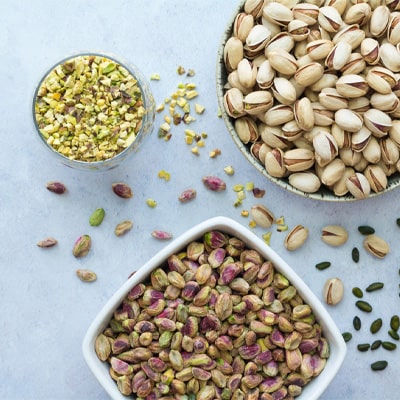
Pistachio
View Products
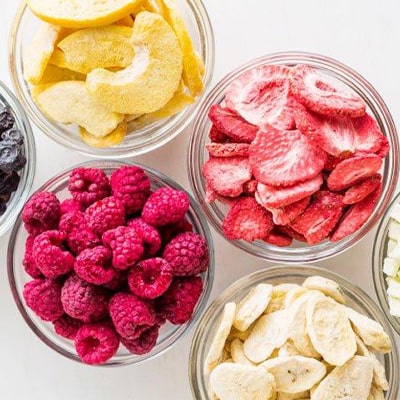
Frozen Drieds
View Products
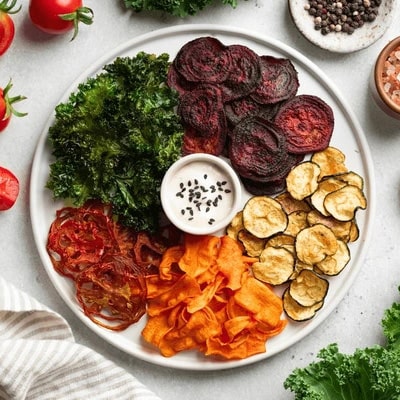
Dried Vegetables
View Products
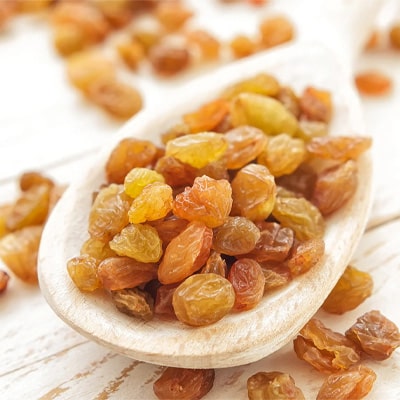
Raisin
View Products
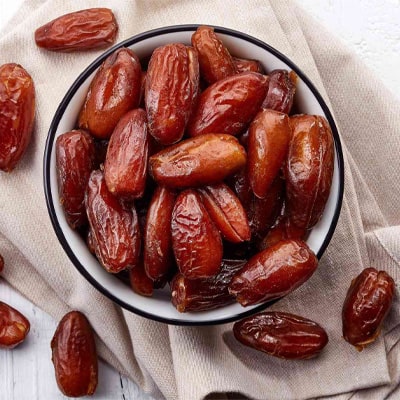
Dates
View Products
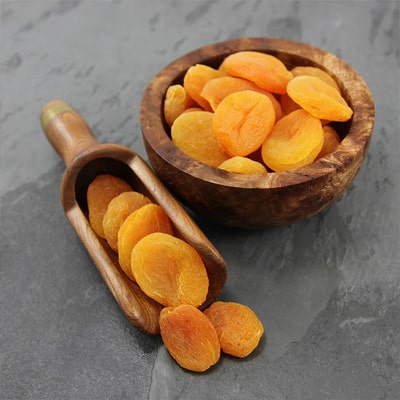
Dried Apricot
View Products
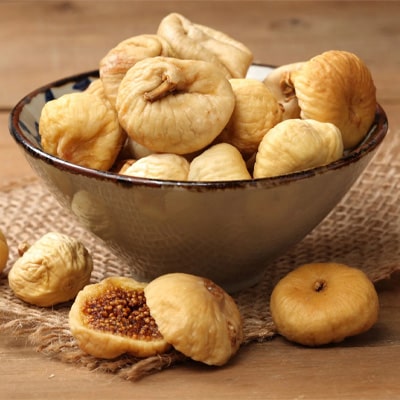
Figs
View Products

Saffron
View Products

Powders
View Products
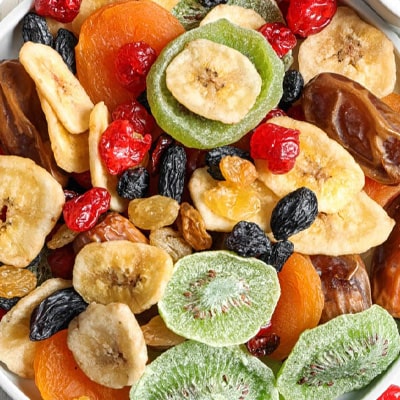
Dried Fruits
View Products
View Products
View Products
View Products
View Products
View Products
View Products
View Products
View Products
View Products
View Products
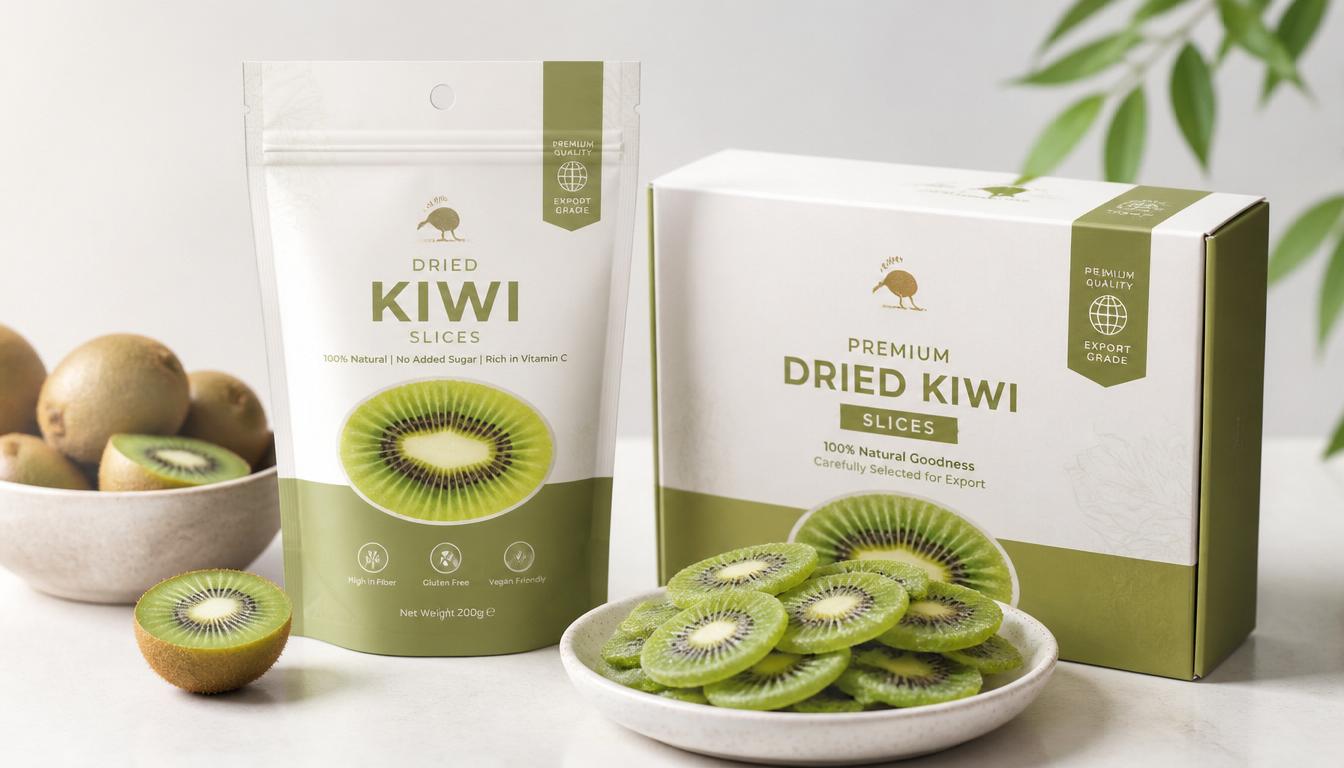
The best markets for premium dried kiwi in 2026 are:
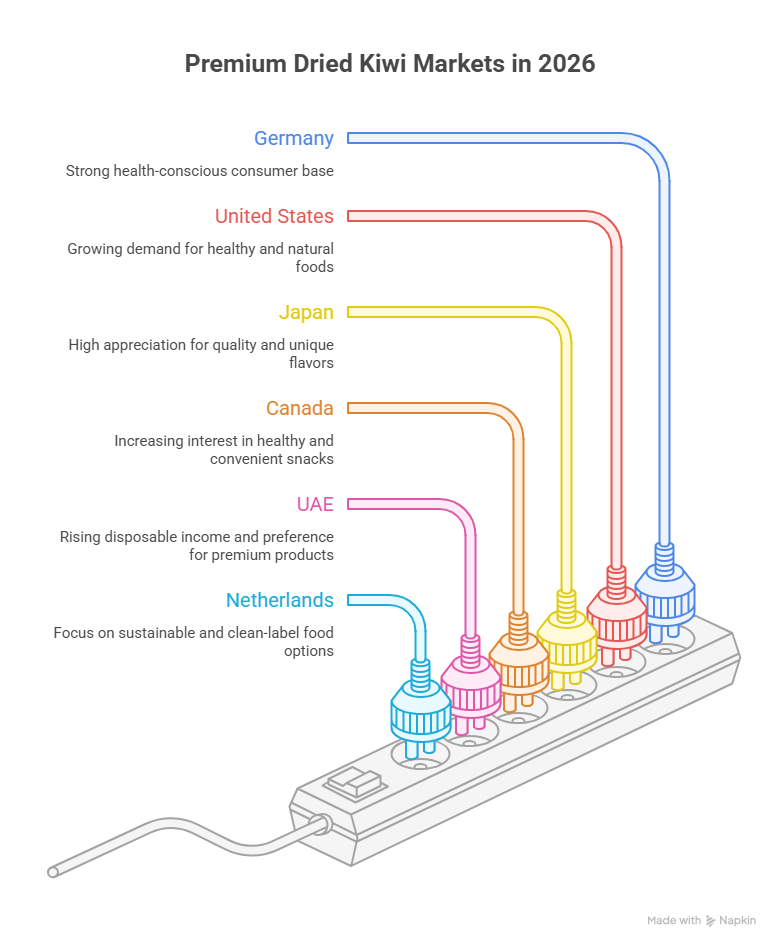
Global demand for premium dried fruits is expanding rapidly as consumers shift toward healthier, natural, and functional snacks. Among these products, premium-grade dried kiwi is becoming increasingly attractive for international buyers due to its unique flavor profile, visual appeal, and nutritional value.
In 2026, competition in dried fruit trade is no longer driven only by price. Importers now focus on consistent quality, food safety certifications, reliable supply chains, and export-ready packaging standards.
Within this global supply landscape, New Zealand, China, and Iran are considered among the top three most important kiwi-producing countries, each contributing significantly to both fresh and processed kiwi supply chains.
Premium dried kiwi is classified as a functional snack because it combines taste with nutritional benefits such as fiber, vitamin C, and antioxidants. Its rising popularity is closely linked to structural changes in global food consumption.
read more: Dried Kiwi , A good Source of Vitamin C
Key demand drivers include:
Retailers in Europe, North America, and Asia are actively expanding dried fruit assortments, and kiwi is gaining attention due to its distinctive color and flavor compared to traditional dried fruits like raisins or apricots.
Europe remains one of the most stable and high-value regions for dried kiwi exports, especially Germany and the Netherlands.
Germany is a quality-driven market where importers require strict compliance with food safety and sustainability standards. Typical requirements include:
German buyers prioritize transparency and long-term supplier reliability over short-term price advantages.
The Netherlands plays a strategic role as a re-export and logistics center for dried fruits in Europe. Products imported through Rotterdam are distributed to neighboring EU countries.
Dutch importers typically operate in:
This makes the Netherlands a key entry point for exporters targeting multiple European markets.
The United States and Canada represent some of the most profitable destinations for premium dried kiwi due to strong consumer demand for healthy snacks.
The U.S. market is driven by:
Importers typically require:
Price levels generally range from $7.00 to $11.00 per kilogram, depending on grade and packaging type.
Canada follows similar trends but places additional emphasis on:
Asian markets are highly selective and quality-sensitive, especially in Japan and South Korea.
Japan is one of the most detail-oriented food import markets globally. Key expectations include:
Japanese importers often pay $8.00 to $12.50 per kilogram for high-quality dried kiwi suitable for retail shelves.
South Korea is a fast-growing market for healthy snacks, supported by:
Packaging convenience and product freshness are key purchasing factors.
In global kiwi production and export, New Zealand, China, and Iran are considered among the key producing countries, with Iran playing an increasingly important role in regional and international supply chains.
Iran’s kiwi production is mainly concentrated in northern provinces such as Mazandaran and Gilan, where climate conditions support high-quality cultivation.
In recent years, Iran has strengthened its position in dried fruit exports through:
These factors have helped Iranian exporters become more active in markets such as Europe, the Middle East, and parts of Asia, particularly in mid-range and premium dried fruit segments.
| Region | Price Range (USD/kg) | Buyer Type | Key Requirement |
|---|---|---|---|
| Germany | 6.5 – 9.5 | Retail importers | Organic & sustainability |
| USA | 7.0 – 11.0 | Supermarkets & e-commerce | FDA compliance |
| Japan | 8.0 – 12.5 | Premium retailers | Appearance & packaging |
| South Korea | 7.5 – 10.5 | Convenience stores | Ready-to-eat snacks |
| Netherlands | 6.0 – 9.0 | Re-export traders | Bulk logistics |
To compete in international markets, exporters must comply with strict quality and safety requirements, including:
These standards are increasingly mandatory for entry into premium retail channels.
Different regions require different export strategies:
Exporters that adapt product presentation to each region typically achieve stronger long-term contracts.
The global dried kiwi market in 2026 is expanding across Europe, North America, and Asia. While demand is increasing, success depends on meeting strict quality expectations and adapting to regional market preferences.
Countries such as New Zealand, China, and Iran are positioned as key players in the global kiwi supply chain, with Iran increasingly strengthening its export capacity through improved processing and packaging technologies.
New Zealand, China, and Iran are among the key global kiwi-producing countries, each contributing to international supply chains.
The United States, Germany, Japan, South Korea, and the Netherlands are among the leading import markets.
Yes. Growing demand for healthy snacks and private-label retail expansion makes dried kiwi a profitable export product.
HACCP, ISO 22000, FDA approval, and EU Organic certification are among the most important requirements.
Maintaining consistent quality, meeting strict regulatory standards, and ensuring stable supply chains are the main challenges.




We are sourcing dried kiwi for the German retail market, and consistency between shipments is one of our main concerns. Can suppliers provide the same slice size, moisture level, and appearance for recurring orders?
Yes. For regular B2B orders, product specifications can be agreed in advance, including slice size, moisture target, color, and packaging, to maintain consistency between shipments.