
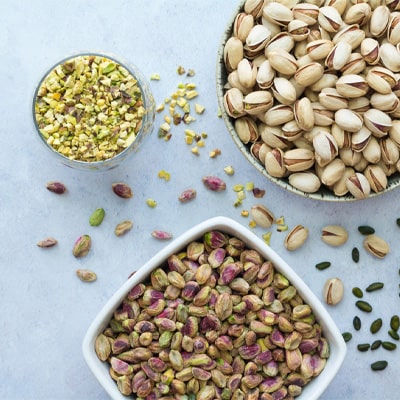
Pistachio
View Products

Frozen Drieds
View Products
Dried Vegetables
View Products
Raisin
View Products
Dates
View Products
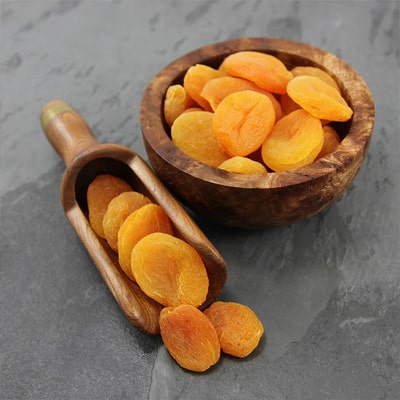
Dried Apricot
View Products
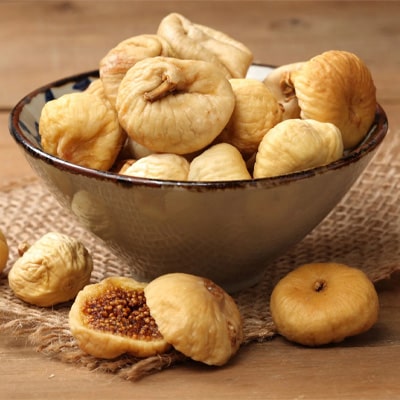
Figs
View Products

Saffron
View Products
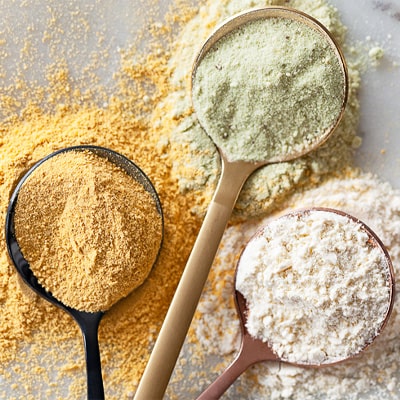
Powders
View Products
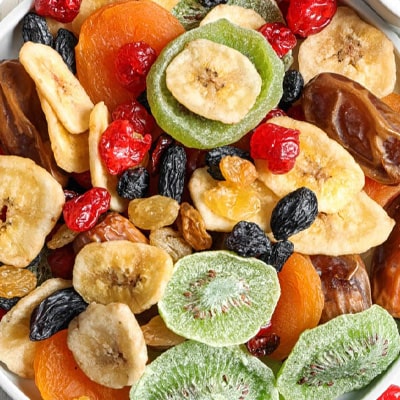
Dried Fruits
View Products
View Products
View Products
View Products
View Products
View Products
View Products
View Products
View Products
View Products
View Products
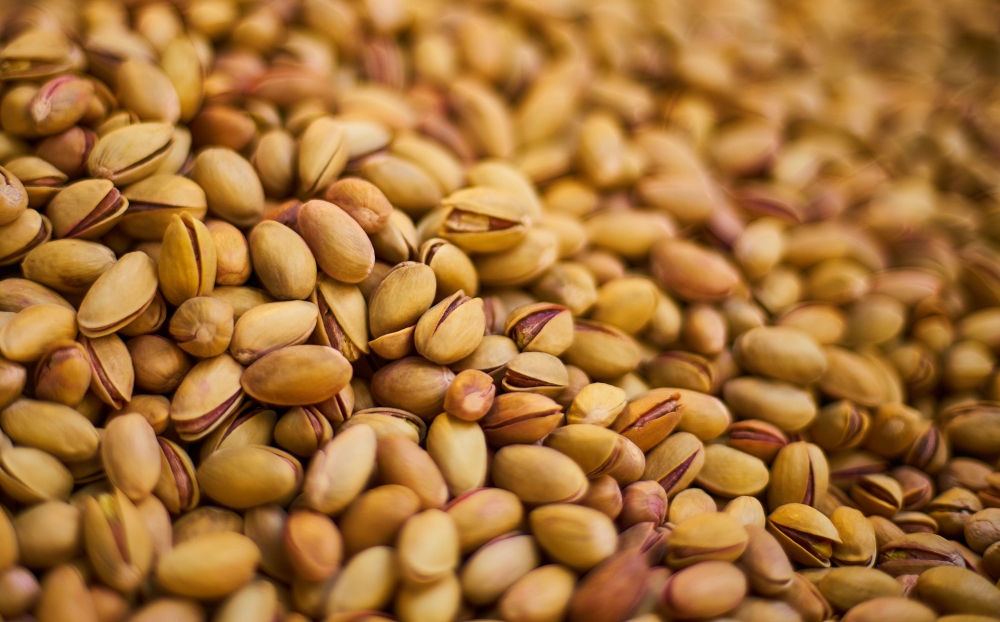
Complete Export Guide for Ahmad Aghaei Pistachios to the Middle East and North Africa (MENA)
What if one pistachio variety could open doors to markets across the MENA region? The Ahmad Aghaei pistachio, known for its elongated shape and bright shell color, is a favorite among Middle Eastern consumers. Exporters looking to tap into the region’s growing demand need more than just product knowledge—they require a precise roadmap. This guide explains the essentials of exporting Ahmad Aghaei pistachios to MENA, covering quality standards, regulations, packaging, logistics, and pricing to give exporters a competitive edge.
Ahmad Aghaei pistachios are cultivated primarily in Rafsanjan and Kerman, Iran. They are prized for their white shell, sweet flavor, and large kernel-to-shell ratio. Due to their visual appeal and taste, they are often served in luxury hospitality settings and premium retail in MENA countries.
Our Product: Ahmad Aghaei pistachio
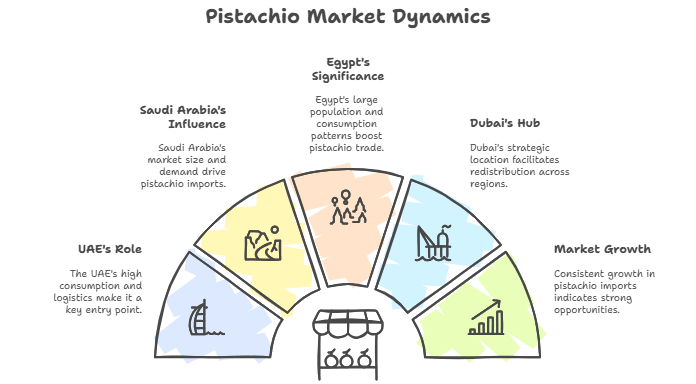
The UAE, Saudi Arabia, and Egypt are major entry points for pistachios due to high per capita consumption and established logistics hubs. Dubai, in particular, functions as a redistribution center for the GCC and North Africa. Market reports show consistent year-over-year growth in pistachio imports across these regions, signaling strong commercial opportunities for exporters.
To enter MENA markets, Ahmad Aghaei pistachios must meet hygiene and quality standards including:
Country-specific labeling laws also apply. For instance, Arabic labeling is mandatory in Saudi Arabia.
Packaging affects both shelf life and customs approval. Exporters should consider:
Exporting to MENA involves several key documents:
Shipping options vary by destination:
Incoterms like FOB (Free On Board) or CFR (Cost and Freight) are commonly used in pistachio contracts.
Ahmad Aghaei pistachio pricing depends on:
Establish clear margins by accounting for packaging, freight, insurance, and tariffs in your pricing model.
They have a bright shell, elongated shape, and sweet kernel, making them highly preferred in Middle Eastern markets for both taste and appearance.
The UAE, Saudi Arabia, Egypt, Morocco, and Jordan are among the top importers due to population size and consumer preferences.
Vacuum-sealed polyethylene bags inside corrugated cartons are ideal for freshness and compliance with MENA shipping standards.



I’m confused about the pricing structure for Ahmad Aghaei in bulk export. Do buyers in the Middle East usually want CIF pricing, or do they prefer FOB so they can manage shipping themselves?
Hi mehmet 20. It depends on the buyer’s size. Larger distributors in the UAE, Kuwait, and Saudi Arabia commonly request FOB Bandar Abbas, because they already have shipping arrangements. Smaller retailers or new importers often prefer CIF, especially for Qatar, Oman, and Jordan. Offering both gives you flexibility and widens your customer base.
This guide is very informative. One question: Do MENA countries like the UAE and Saudi Arabia prefer larger kernel sizes for Ahmad Aghaei pistachios, or does flavor matter more than size?
Great question, Karim. In most MENA markets—especially the UAE, Saudi Arabia, and Qatar—both size and visual appeal play a major role in purchasing decisions.
However:
Larger sizes (28–30, 30–32) are preferred for premium retail
Flavor profile and open-mouth rate matter for wholesale and gifting markets
So the ideal export strategy is to focus on large, well-sorted, uniformly open pistachios while maintaining freshness and taste.