
Pistachio
View Products

Frozen Drieds
View Products

Dried Vegetables
View Products

Raisin
View Products
Dates
View Products

Dried Apricot
View Products
Figs
View Products

Saffron
View Products

Powders
View Products

Dried Fruits
View Products
View Products
View Products
View Products
View Products
View Products
View Products
View Products
View Products
View Products
View Products
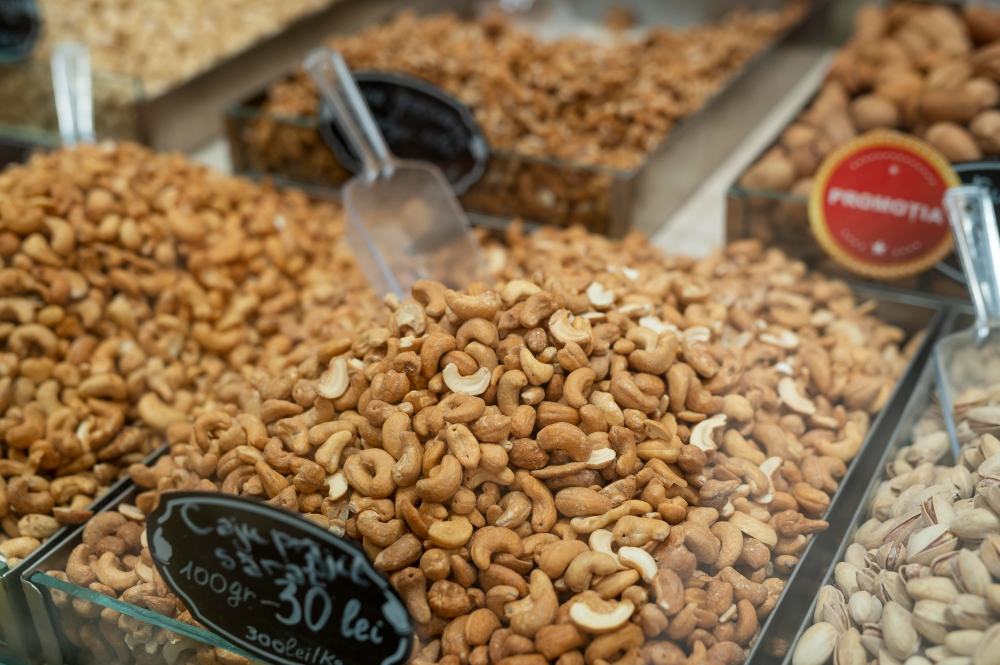
Best Logistic Routes for Iranian Nuts Export to Europe
Iran is one of the world’s leading suppliers of pistachios, almonds, and walnuts, yet the true challenge lies in moving these products efficiently to European buyers. Exporters often ask: which routes ensure faster delivery, lower costs, and fewer risks? This article explores the main logistic corridors available to Iranian nut exporters, highlights the pros and cons of each, and provides practical insights for maintaining quality while navigating regulations. Readers will gain a competitive advantage by understanding not only the routes but also the operational details that safeguard successful trade.

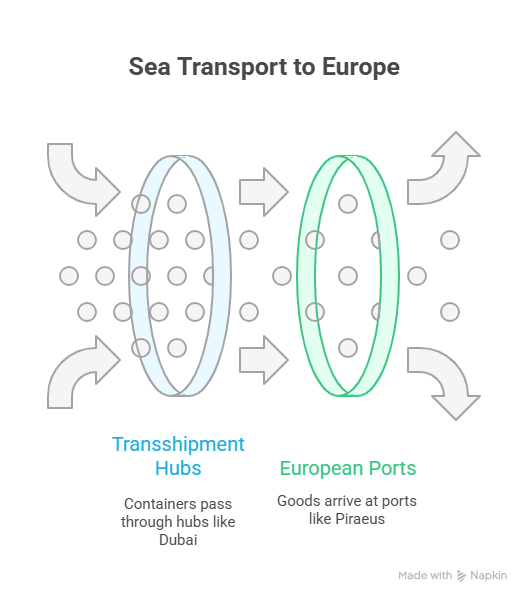
The most established method remains sea shipping through Bandar Abbas and Bushehr. Containers typically move through transshipment hubs such as Dubai, Piraeus, or Turkish ports before reaching European destinations. Sea freight is cost-effective for large consignments and allows for containerized storage that preserves nut quality with the right packaging. Transit times may extend to several weeks, but exporters benefit from consistent schedules and high capacity.
Road transport via the Bazargan border crossing into Turkey provides a faster route to Europe, especially for nearby markets such as Italy and Germany. Trucks can carry smaller loads with shorter delivery windows, often within ten to twelve days. While costs are higher per ton compared to sea, the advantage lies in reduced spoilage risks for sensitive nut varieties. Challenges include congestion at border crossings and the need for compliant documentation to satisfy customs controls.
A third option is the Persian Gulf–Black Sea corridor, which combines sea, rail, and road transport through Iran, Armenia or Georgia, and onward into the Black Sea. This route connects with European ports such as Constanta or Varna. The International North–South Transport Corridor (INSTC) also offers an emerging framework for such multimodal trade. These corridors reduce dependency on long sea voyages and diversify logistic risks, though infrastructure gaps still limit speed and reliability.
Regardless of the chosen route, exporters must provide a phytosanitary certificate, certificate of origin, and customs documentation aligned with HS codes for nuts. The European Union enforces strict quality and pesticide standards. Failure to comply can lead to delays or rejection of shipments at entry points. Exporters also need to consider financial sanctions and select carriers and banks that operate within compliant frameworks.
Nuts are vulnerable to humidity and temperature shifts. Exporters should use ventilated containers with pallets, moisture absorbers, and fumigation treatment when required. Proper packaging not only protects product quality but also reduces claims and disputes upon arrival.
Choosing the best logistic route depends on balancing cost, time, and risk. Sea transport suits high-volume shipments, land routes through Turkey deliver faster but at higher cost, and multimodal corridors offer flexibility for future trade. Exporters who combine the right route with robust compliance and packaging strategies can secure steady access to the European market and protect their competitive position.

Bandar Abbas and Bushehr are the primary gateways. They handle containerized exports that connect to transshipment hubs before reaching European ports.
Sea freight usually takes three to five weeks, depending on the route and hub. Road transit through Turkey averages ten to twelve days.
Exporters must provide a phytosanitary certificate, certificate of origin, bill of lading, and customs documents aligned with HS codes.