
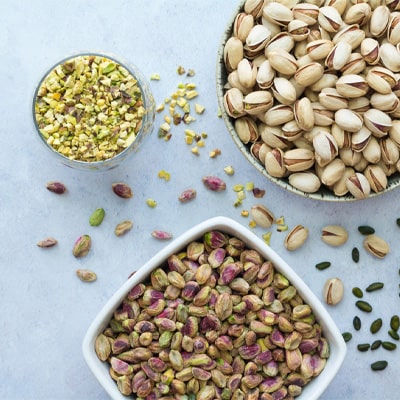
Pistachio
View Products

Frozen Drieds
View Products

Dried Vegetables
View Products
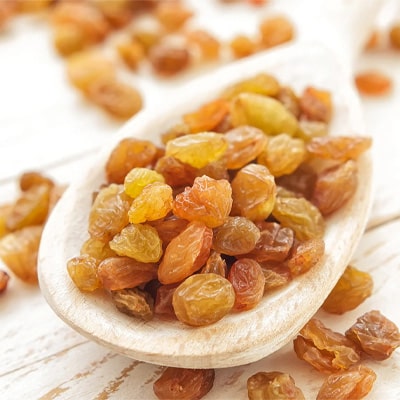
Raisin
View Products
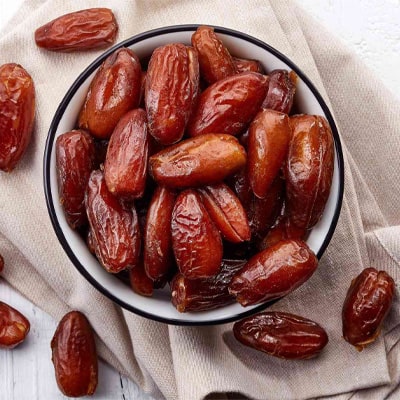
Dates
View Products
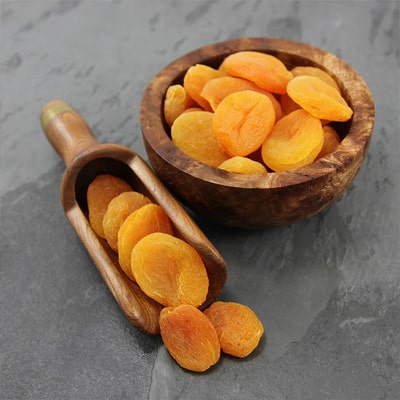
Dried Apricot
View Products
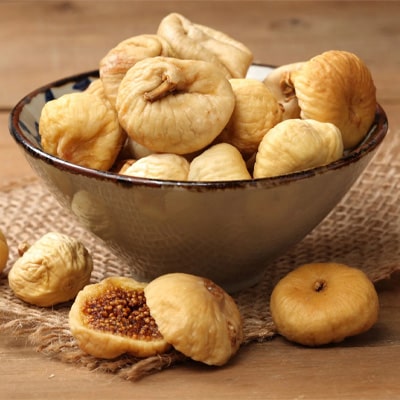
Figs
View Products

Saffron
View Products
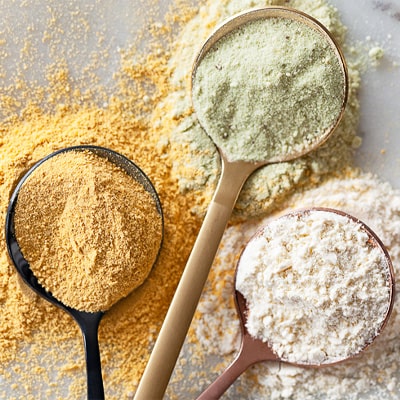
Powders
View Products
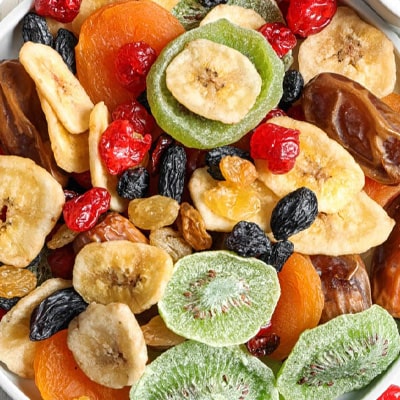
Dried Fruits
View Products
View Products
View Products
View Products
View Products
View Products
View Products
View Products
View Products
View Products
View Products
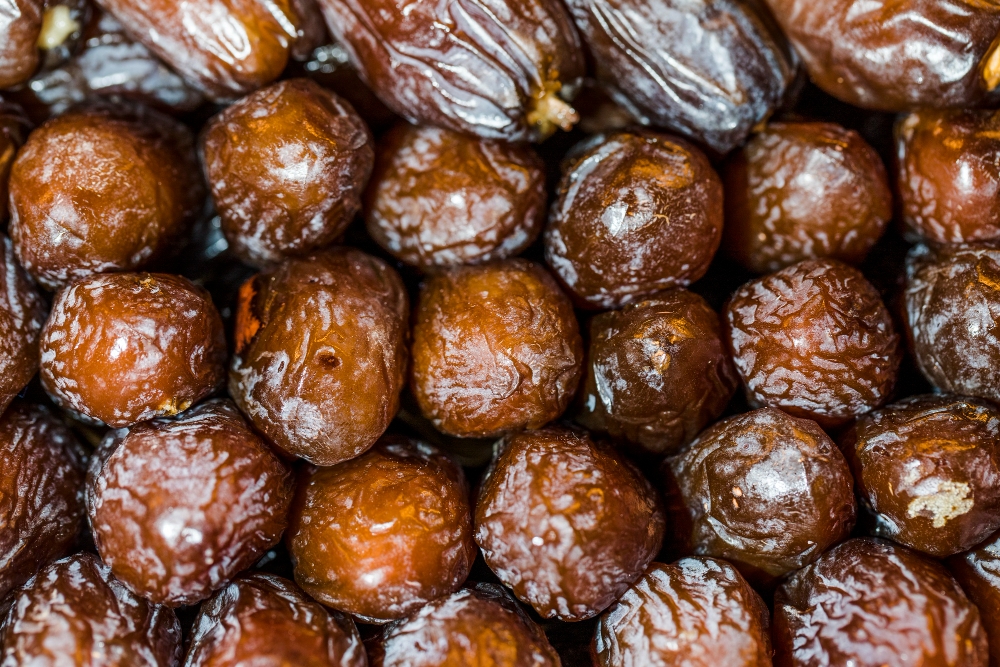
Iran has long been recognized as a global leader in date production. The country cultivates a wide range of varieties, including Mazafati, Piarom, Zahedi, and Kabkab, which are sought after for their distinct flavors, texture, and quality. Exporters are increasingly seeking guidance on the most lucrative markets for these dates, where demand aligns with international quality standards and competitive pricing.
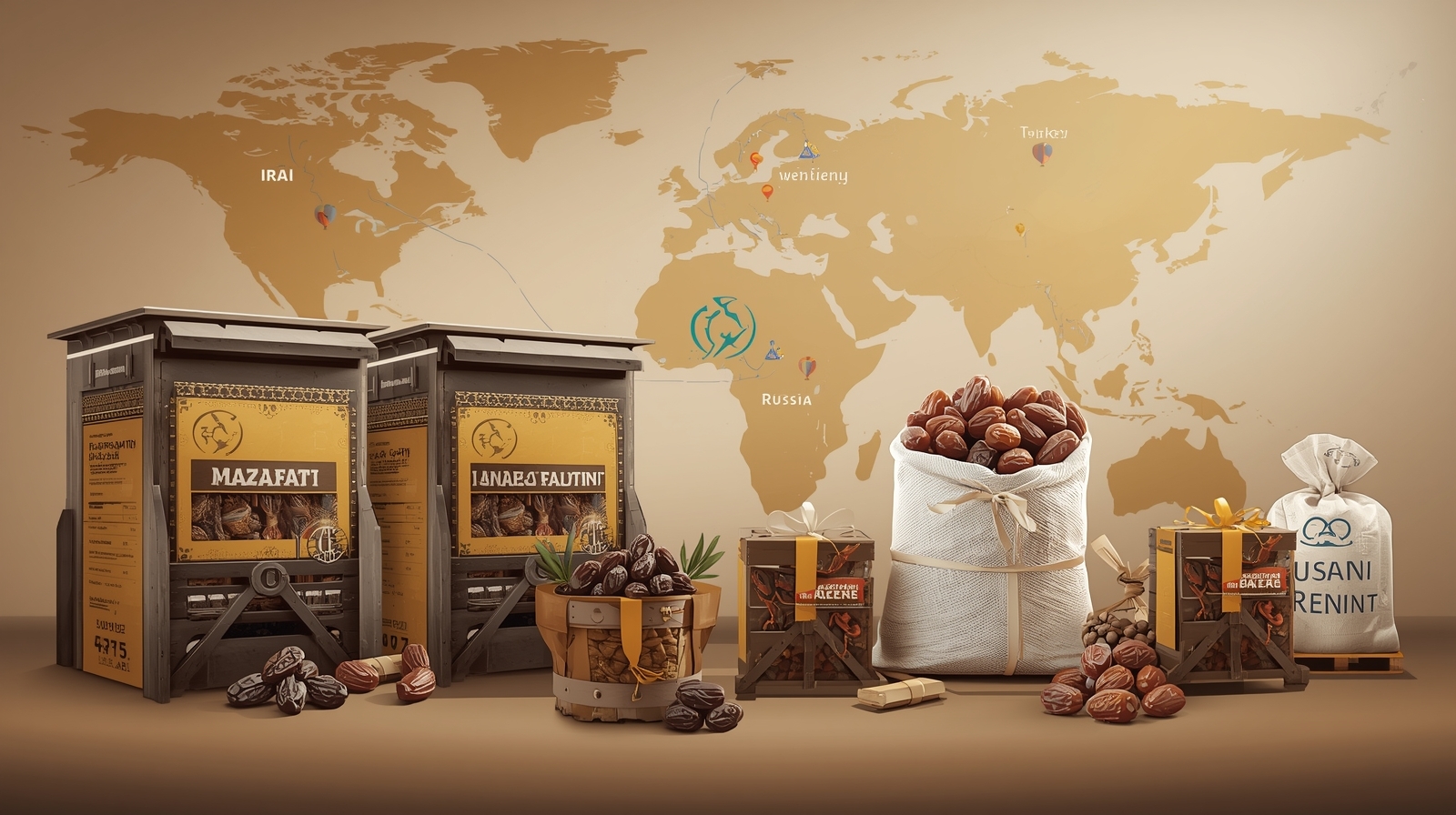
Iran produces approximately 1 million tons of dates annually, making it one of the largest producers worldwide. The southern provinces, such as Kerman, Khuzestan, and Hormozgan, are the primary cultivation zones. Mazafati dates, often dark and soft, dominate exports due to their popularity in both local consumption and international markets. Understanding Iran’s production capabilities provides exporters with a foundation for assessing market potential abroad.
India stands as the largest importer of Iranian dates. Cultural and culinary preferences drive a strong demand for Mazafati and Piarom varieties. Indian importers value bulk supply for retail, festival, and hospitality sectors. Exporters benefit from established trade relationships, comparatively lower shipping costs, and the steady growth of per capita consumption.
Countries such as Iraq, the United Arab Emirates, and Saudi Arabia are key markets for Iranian dates. Proximity reduces shipping time and costs, enabling exporters to maintain freshness. Gulf countries import dates not only for direct consumption but also for re-export and distribution in regional markets. Historical trade links and established distribution channels simplify market entry.
Turkey serves as both a direct importer and a gateway to European markets. Germany, the Netherlands, and other EU countries increasingly seek Iranian dates for high-end retail and health-conscious consumers. Exporters targeting Europe must comply with strict phytosanitary and food safety standards, including HACCP and ISO certifications. Despite higher compliance requirements, these markets offer higher profit margins.
Recently, Russian and Chinese buyers have shown growing interest in Iranian dates. Competitive pricing and unique varieties give Iran an advantage in these markets. Exporters need to establish partnerships with local distributors and navigate regulatory requirements, including import licenses and quality inspections, to successfully penetrate these regions.
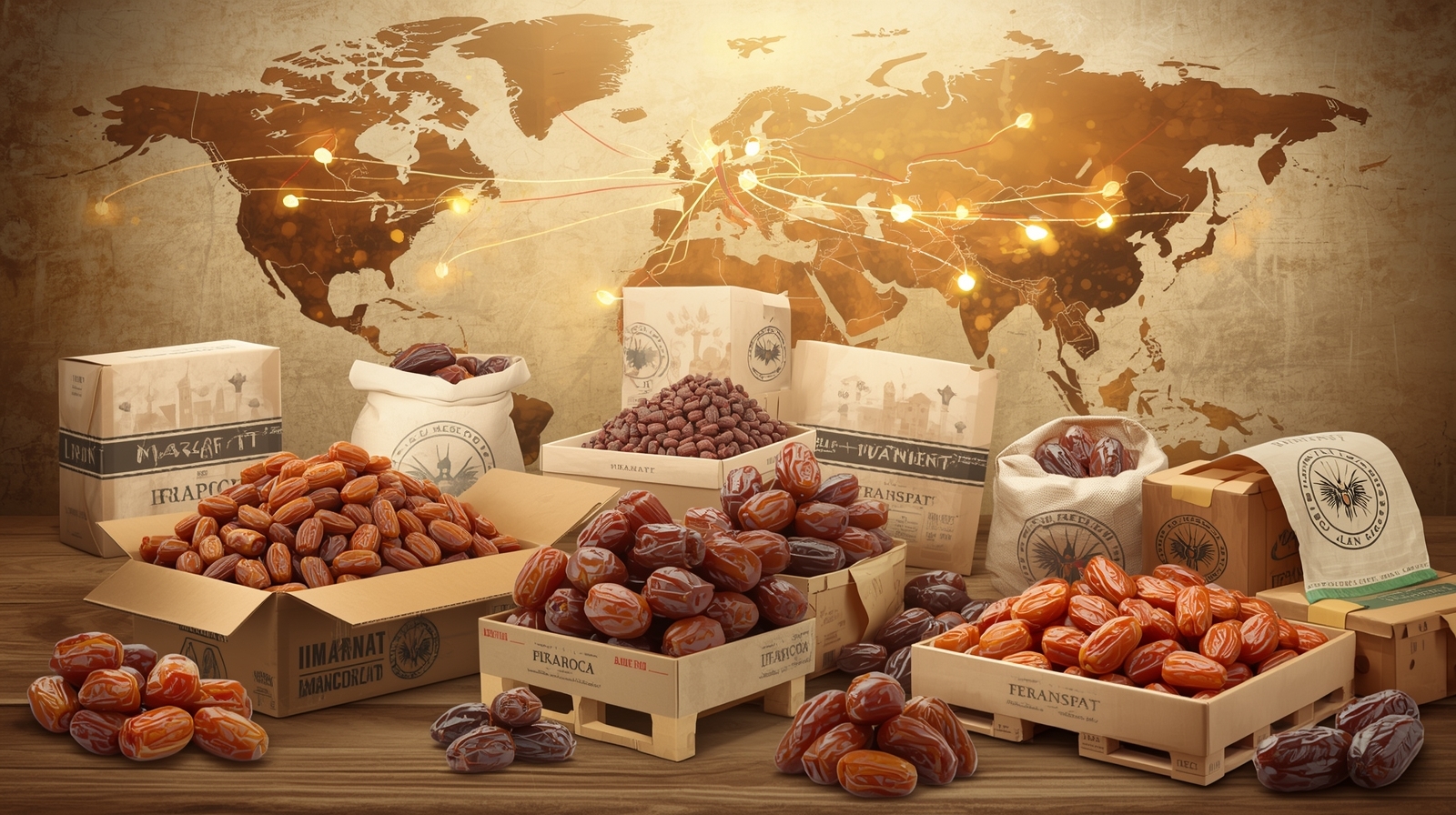
To maximize success, exporters must consider logistics, quality certification, and market trends. Cold chain management is critical for maintaining product integrity during shipment. Currency fluctuations and trade regulations should also be factored into pricing strategies. By understanding the characteristics of each market, exporters can prioritize destinations, optimize supply chains, and mitigate risks effectively.
India, Iraq, and the UAE are the top importers, with India leading due to high domestic demand for Mazafati and Piarom dates.
Mazafati, Piarom, and Zahedi are the leading varieties for export, each preferred in different international markets based on taste and texture.
Exporters must comply with HACCP and ISO certifications, perform phytosanitary inspections, and ensure proper packaging to meet EU regulations.



What are the main challenges when exporting Iranian dates to European countries?
European markets require attention to food safety standards, packaging regulations, documentation, and consistent product quality.