
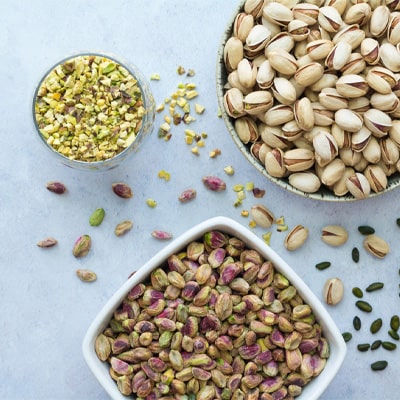
Pistachio
View Products
Frozen Drieds
View Products
Dried Vegetables
View Products
Raisin
View Products
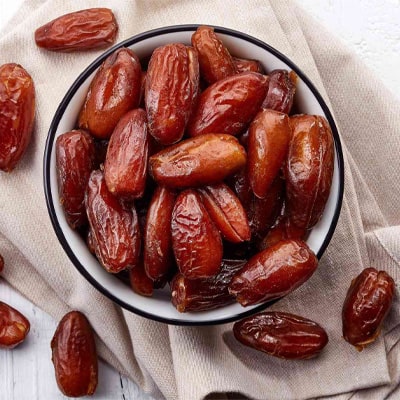
Dates
View Products
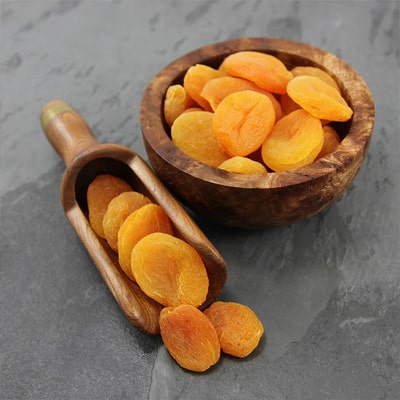
Dried Apricot
View Products
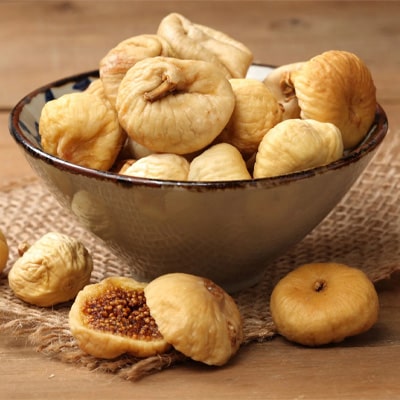
Figs
View Products

Saffron
View Products
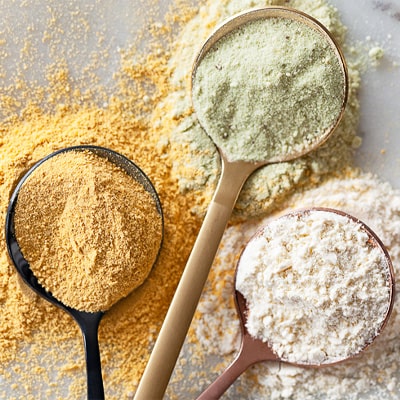
Powders
View Products
Dried Fruits
View Products
View Products
View Products
View Products
View Products
View Products
View Products
View Products
View Products
View Products
View Products
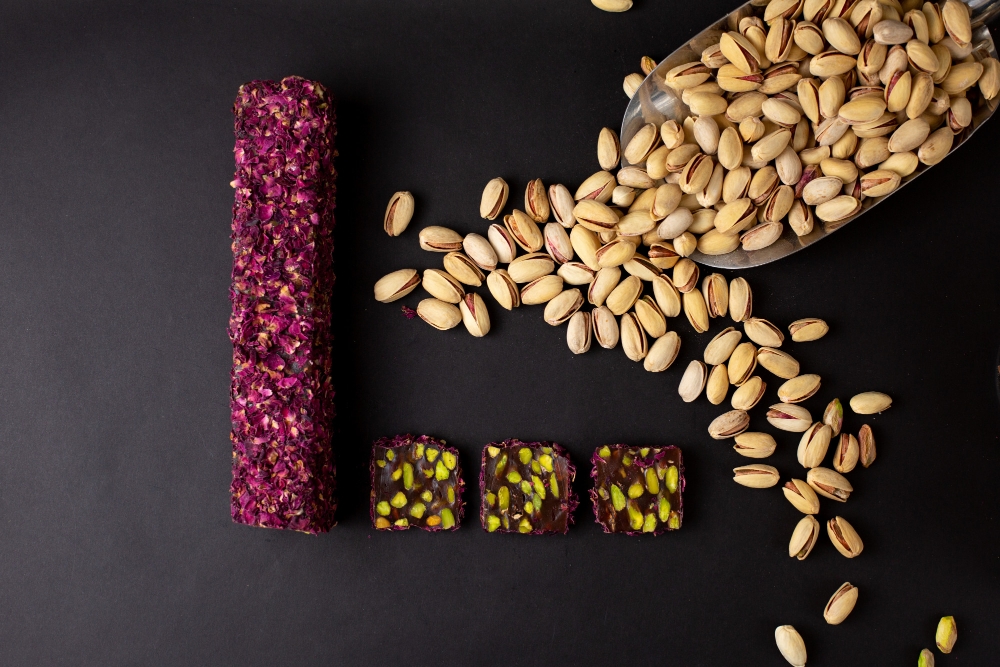
A pistachio may look simple on a supermarket shelf, but for importers and food brands, its origin changes everything. Flavor, oil content, processing quality, and export stability all affect pistachio prices. Consumer demand also plays an important role.
Today, two countries dominate the global pistachio industry: Iran and the United States. American pistachios lead in large-scale production, while Iranian pistachios continue to hold a strong reputation for premium taste and traditional varieties.
For wholesalers, distributors, and manufacturers, understanding these differences is essential before choosing a supplier or export partner.
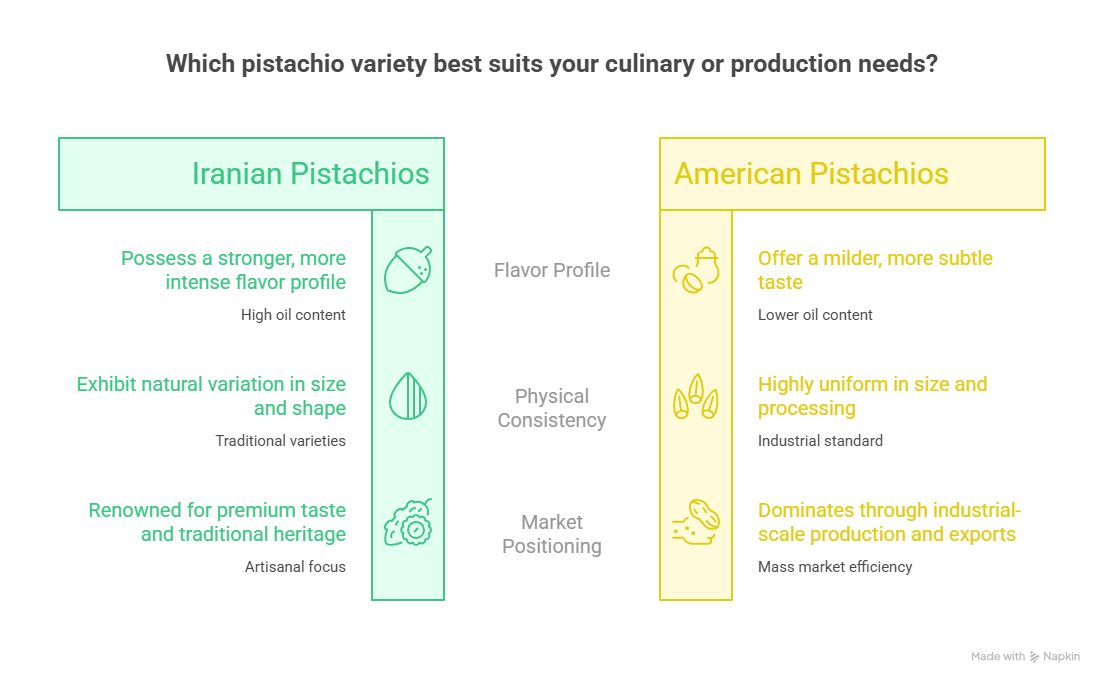
The main difference is flavor and variety. Iranian pistachios are often known for their stronger taste and different varieties, while American pistachios are known for consistent size and large-scale supply.
Iranian pistachios are usually richer in taste and oil content. Their kernels often have a stronger aroma and deeper flavor after roasting. American pistachios are known for consistent sizing, cleaner processing systems, and large-scale supply consistency.
This difference comes from climate, farming methods, and harvesting systems.
In regions such as Kerman and Rafsanjan, pistachios are traditionally grown in dry climates that help concentrate flavor naturally. In contrast, American pistachios are heavily mechanized and processed through advanced industrial systems in California.
| Feature | Iranian Pistachios | American Pistachios |
|---|---|---|
| Flavor Strength | Rich and intense | Mild and balanced |
| Oil Content | Higher | Medium |
| Kernel Appearance | Natural and varied | Uniform |
| Shell Opening | Naturally open | Mechanically consistent |
| Processing Scale | Medium | Very large |
| Premium Market Position | Strong | Medium |
| supply Consistency | Moderate | High |
Iranian pistachios are among the oldest cultivated pistachios in the world. Historical cultivation in ancient Persia helped create dozens of varieties with different flavors, sizes, and shell characteristics.
Among international buyers, several Iranian varieties are especially popular.
Akbari pistachios are long, elegant, and highly valued in luxury packaging markets. Their appearance makes them attractive for premium retail shelves and gift packaging.
This variety is known for its bright shell, balanced taste, and export-friendly appearance. Many European and Asian buyers prefer Ahmad Aghaei pistachios for roasted snack products.
Fandoghi pistachios are smaller and rounder. Because of their competitive pricing and good kernel ratio, they are widely used in industrial processing and food manufacturing.
American pistachio farming focuses heavily on efficiency and ability to supply large volumes. Most orchards in California use machine harvesting systems, advanced irrigation methods, and automated sorting.
This system allows the United States to produce massive export volumes with highly standardized quality.
The Kerman pistachio variety remains the dominant American type. It performs well in industrial roasting, packaging, and mass-market distribution.
For supermarket chains and large food processors, consistency often matters more than flavor intensity. This is one reason American pistachios continue to expand globally.
The United States has become the largest pistachio producer by volume in recent years. However, Iran still remains one of the most important exporters in premium pistachio markets.
| Country | Estimated Annual Production | Main Export Markets |
|---|---|---|
| Iran | 200K–250K Tons | China, India, Europe |
| USA | 400K–500K Tons | Canada, China, Europe |
| Turkey | Lower Volume | Middle East, Europe |
Iranian pistachios are especially popular in traditional nut markets where flavor and roasting quality are preferred. American pistachios perform strongly in industrial retail and high-volume packaged food sectors.
Pistachios are among the most expensive nuts in international trade for several reasons.
First, pistachio trees require years before reaching full productivity. In many orchards, growers wait seven to ten years for maximum full production.
Second, water shortages and climate risks continue to affect production in both Iran and California. Irrigation costs have increased significantly during the past decade.
Other important pricing factors include:
Premium pistachio varieties naturally cost more because of their appearance, flavor quality, and export demand.
Trade regulations and sanctions affect direct imports of Iranian pistachios into the United States. However, some Iranian-origin pistachios still enter international markets through distributors and re-export channels.
Importers should always verify current trade regulations and FDA requirements before purchasing bulk shipments.
Different industries prefer different pistachio origins.
Iranian pistachios are often preferred for premium roasting because of their stronger aroma and higher oil content. Their flavor becomes more noticeable after roasting, which appeals to gourmet snack brands.
American pistachios are commonly preferred for automated processing lines because their sizing and shell structure are more uniform.
| Pistachio Variety | Best Application |
|---|---|
| Akbari Pistachio | Premium retail |
| Ahmad Aghaei | Gourmet snacks |
| Fandoghi | Food processing |
| Kerman Pistachio | Mass-market retail |
| Antep Pistachio | Baklava and desserts |
Iranian pistachios and American pistachios each dominate different parts of the global market.
Iran remains highly respected for flavor, oil content, and premium pistachio varieties. The United States leads in industrial production, mechanized processing, and export ability to supply large volumes.
For global buyers, the best choice depends on the target market.
Premium retailers and gourmet brands often choose Iranian pistachios because of their taste and appearance. Large supermarket chains and industrial manufacturers usually prefer American pistachios because of supply consistency and processing efficiency.
Understanding these differences helps importers and wholesalers choose the right product for their customers and market strategy.
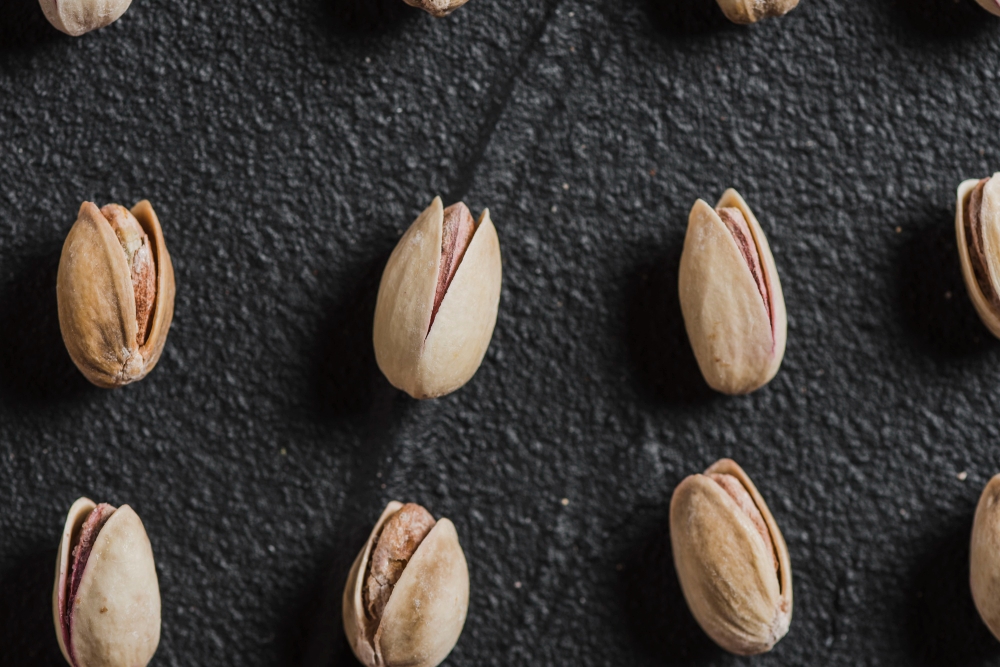
Iranian pistachios are generally preferred for stronger flavor and higher oil content, while American pistachios are valued for consistency and large-scale supply.
Akbari and Ahmad Aghaei pistachios are among the most popular export varieties because of their premium appearance and roasting quality.
Premium flavor, export demand, water shortages, and labor-intensive cultivation increase the price of Iranian pistachios.
Availability depends on current trade regulations and import restrictions.



We imported Iranian Fandoghi pistachios for our food processing factory in Spain last season. The flavor profile was much stronger compared to California pistachios, especially after roasting.
Thank you for sharing your experience, Sofia. Fandoghi pistachios are widely used in industrial processing because of their flavor intensity and good kernel ratio.