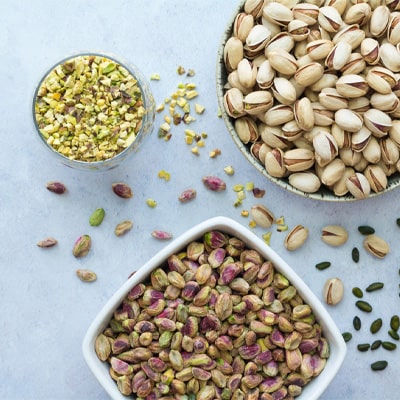
Pistachio
View Products
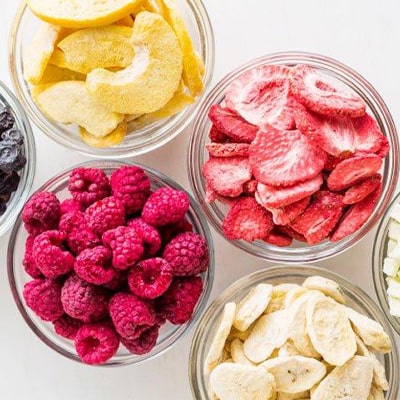
Frozen Drieds
View Products
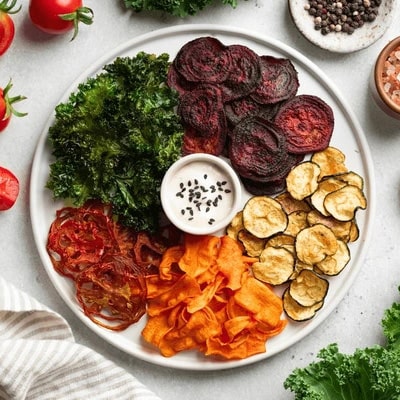
Dried Vegetables
View Products
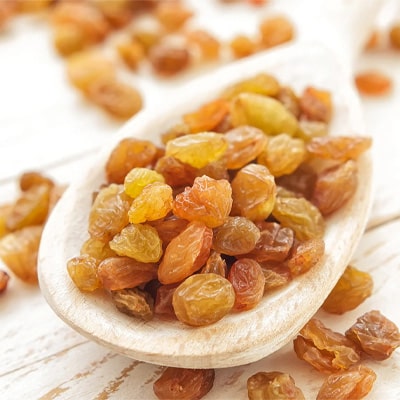
Raisin
View Products
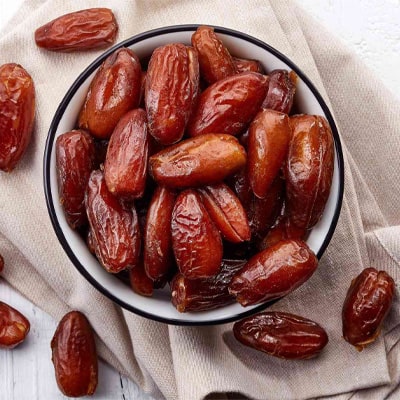
Dates
View Products
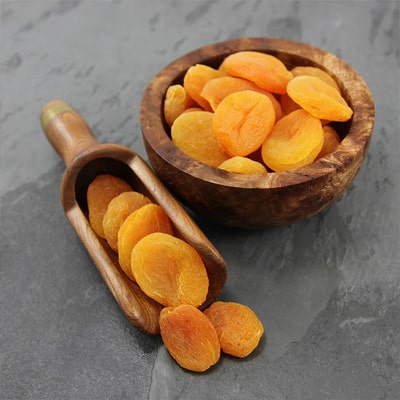
Dried Apricot
View Products
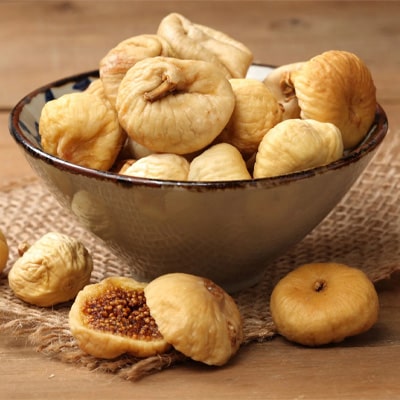
Figs
View Products

Saffron
View Products
Powders
View Products
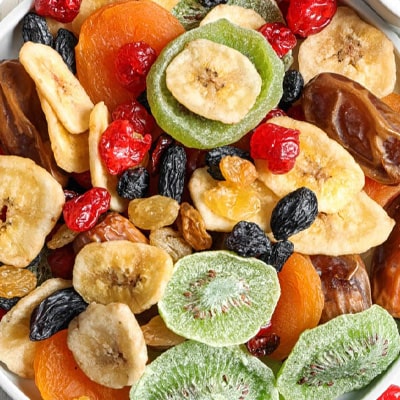
Dried Fruits
View Products

Iran grows more saffron than the rest of the world combined, producing over 90% of global supply. The remaining share comes mainly from Afghanistan, Spain, Greece, India (Kashmir), Morocco, and Italy.
| Rank | Country | Share of Global Production | Known For |
|---|---|---|---|
| 1 | Iran | ~90% | Volume, consistency, all major grades |
| 2 | Afghanistan | ~4–5% | Fast-growing quality, Herat region |
| 3 | India (Kashmir) | ~2% | Premium niche, high price |
| 4 | Spain | ~1% | Small output, large re-export role |
| 5 | Greece (Krokos) | ~1% | Protected origin (PDO), boutique quality |
| 6 | Morocco | <1% | Small-scale, growing export interest |
| 7 | Italy (Abruzzo, Sardinia) | <1% | Micro-production, gourmet market |
Iran’s Khorasan region, especially around Torbat-e Heydarieh, Gonabad, and Qaen, provides the ideal high-altitude, dry climate saffron needs. This scale lets Iran supply every grade — from bulk Pushal to premium Super Negin — at prices no other origin can match.
Afghan saffron, mostly grown in Herat, has won international quality awards in recent years for color strength. Production is still small compared to Iran, but growing steadily as farmers shift from other crops.
Kashmiri saffron is grown in the Pampore region and prized for its distinct aroma. Output is limited by geography and climate, which is why Kashmiri saffron commands some of the highest retail prices in the world despite modest production volume.
Spain grows very little saffron today (mainly La Mancha, tied to its PDO status), but historically built its saffron reputation on local cultivation. Now Spain’s role is mostly as a re-exporter — importing raw saffron (often from Iran) and re-packaging it under Spanish branding. See our guide to top saffron importing countries for more on this.
Greek saffron, known as Krokos Kozanis, has Protected Designation of Origin (PDO) status in the EU. Production is small and tightly regulated, aimed at boutique and gourmet markets rather than bulk export.
Morocco’s saffron is grown mainly in the Taliouine region and is gaining attention as farmers invest in quality improvement, though volumes remain far below Iran or Afghanistan.
Small saffron farms in Abruzzo and Sardinia supply Italy’s own high-end culinary market, with output too limited for meaningful export.
This combination is why most saffron sold worldwide — even under Spanish, French, or other Western branding — traces back to Iranian origin.
Sourcing directly from origin? See current wholesale prices by grade for Pushal, Sargol, and Super Negin.
Iran produces over 90% of the world’s saffron, making it by far the largest grower.
Kashmiri saffron has a distinct reputation and commands a premium price due to very limited supply, but Iranian saffron — particularly Super Negin and Sargol grades — offers comparable or higher concentrations of crocin, safranal, and picrocrocin at a more competitive price.
Spain grows a small amount, mainly in La Mancha, but most “Spanish saffron” sold internationally is imported (often from Iran) and re-packaged. For buying data, see our top saffron importing countries guide.
The large majority of internationally traded saffron — regardless of the brand on the box — originates from Iran, given its production scale and established export infrastructure. See our top saffron exporting countries guide for full trade routes and figures