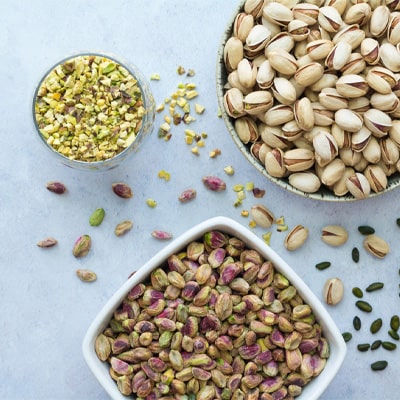
Pistachio
View Products
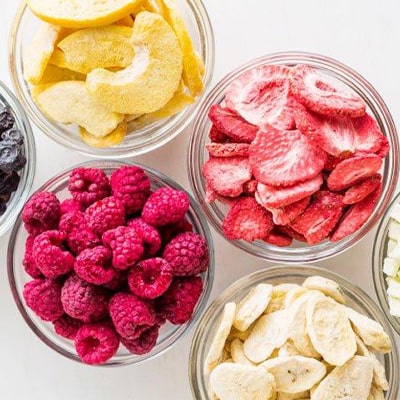
Frozen Drieds
View Products
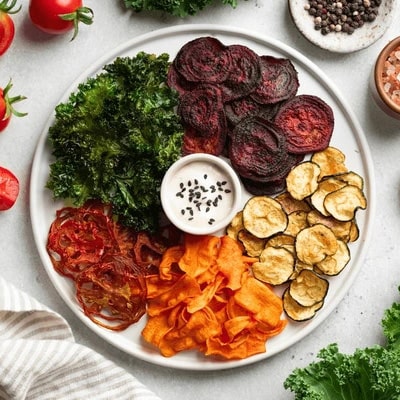
Dried Vegetables
View Products
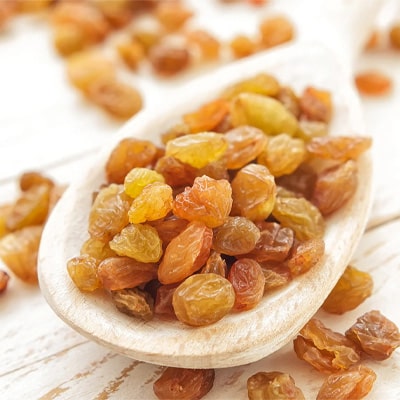
Raisin
View Products
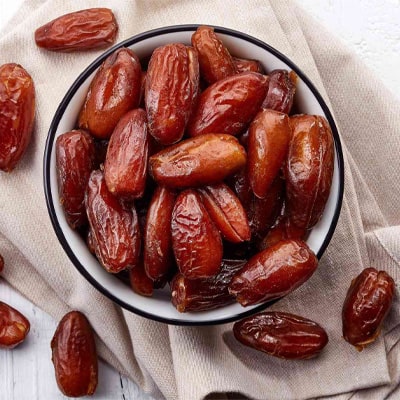
Dates
View Products
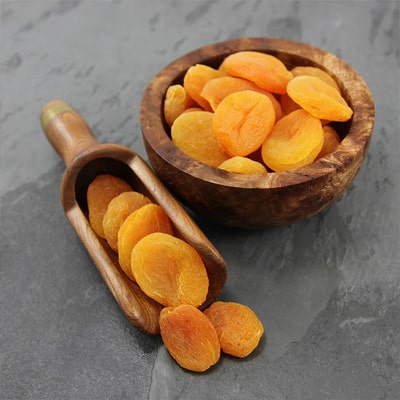
Dried Apricot
View Products
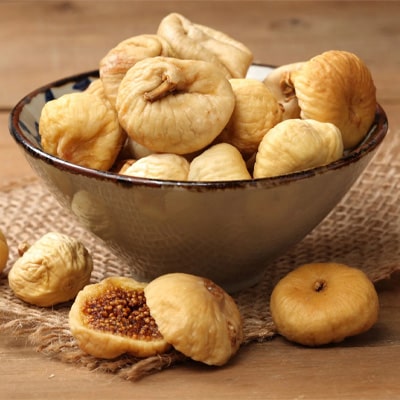
Figs
View Products

Saffron
View Products
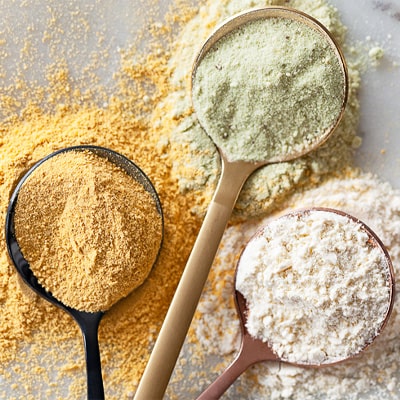
Powders
View Products
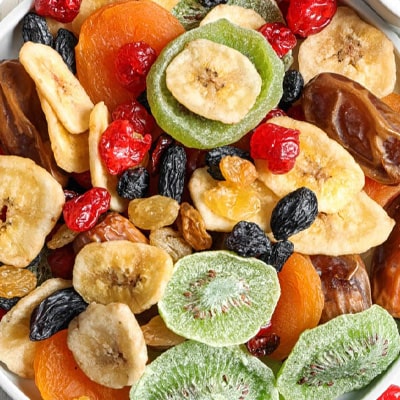
Dried Fruits
View Products
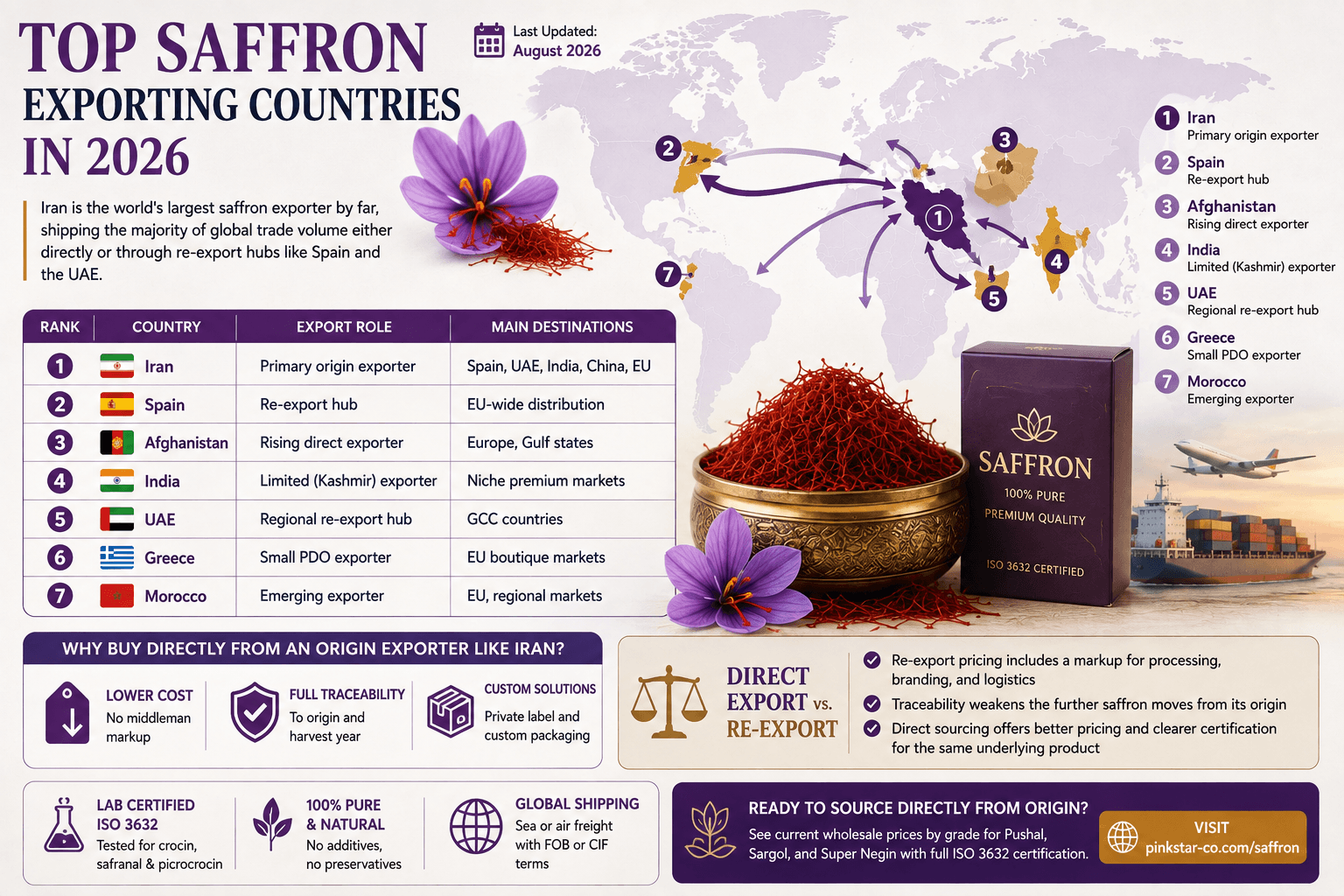
Iran is the world’s largest saffron exporter by far, shipping the majority of global trade volume either directly or through intermediary re-export hubs like Spain and the UAE. Afghanistan is the fastest-growing exporter, while Spain remains the top re-export hub despite growing very little saffron itself.
| Rank | Country | Export Role | Main Destinations |
|---|---|---|---|
| 1 | Iran | Primary origin exporter | Spain, UAE, India, China, EU |
| 2 | Spain | Re-export hub | EU-wide distribution |
| 3 | Afghanistan | Rising direct exporter | Europe, Gulf states |
| 4 | India | Limited (Kashmir) exporter | Niche premium markets |
| 5 | UAE | Regional re-export hub | GCC countries |
| 6 | Greece | Small PDO exporter | EU boutique markets |
| 7 | Morocco | Emerging exporter | EU, regional markets |
Iran exports saffron in every grade, from bulk Pushal for industrial food use to certified Super Negin for luxury retail. Because Iran produces over 90% of the world’s saffron, most saffron traded internationally — even when re-labeled elsewhere — originates here. Iranian exporters typically ship via sea or air freight with FOB or CIF terms, supported by ISO 3632 lab certification.
Buying directly from Iran, rather than through a re-export hub, generally means:
Spain grows only a small fraction of the saffron it exports. Instead, it imports raw saffron — largely from Iran — processes and repackages it, then re-exports under Spanish branding across the EU. This makes Spain the top exporter by volume of finished product, even though it is not a major grower. See our top saffron growing countries guide for the production side of this story.
Afghan saffron exports have grown quickly in recent years as international buyers seek alternative, high-quality sources. Herat-grown saffron has won color-strength awards, and export infrastructure is improving, though volumes remain far smaller than Iran’s.
India exports small volumes of premium Kashmiri saffron, commanding high per-kg prices in niche gourmet and specialty markets, even though India is a much larger importer than exporter overall (see our top saffron importing countries guide).
The UAE imports saffron (much of it Iranian, given proximity and trade ties) and re-distributes it across the Gulf Cooperation Council (GCC) region, playing a role similar to Spain’s within the EU.
Greek Krokos Kozanis saffron, with EU Protected Designation of Origin status, is exported in small, high-value volumes to boutique and gourmet buyers rather than bulk markets.
Morocco is beginning to build export relationships with EU buyers as its Taliouine-region production quality improves, though it remains a minor player by volume.
Many “Spanish” or “French” saffron products sold at retail actually originate in Iran or Afghanistan and are simply re-packaged. For B2B buyers, this matters because:
Ready to source directly from origin? See current wholesale prices by grade for Pushal, Sargol, and Super Negin, with full ISO 3632 certification.
Iran exports more saffron than any other country, either directly or through re-export hubs like Spain and the UAE, given its production of over 90% of global supply.
Often not entirely — Spain grows a small amount domestically but imports significant volumes (frequently from Iran) for re-packaging and export under Spanish branding.
An exporter ships saffron out of its country of origin or re-export hub; an importer brings saffron into a country for consumption or further redistribution. Iran is the leading exporter by origin; Spain leads in import-and-re-export volume. See our top saffron importing countries guide for the import side.
For bulk B2B buyers, yes in most cases — direct sourcing avoids re-export markups and keeps full traceability to origin, harvest year, and lab certification