
Pistachio
View Products
Frozen Drieds
View Products
Dried Vegetables
View Products
Raisin
View Products
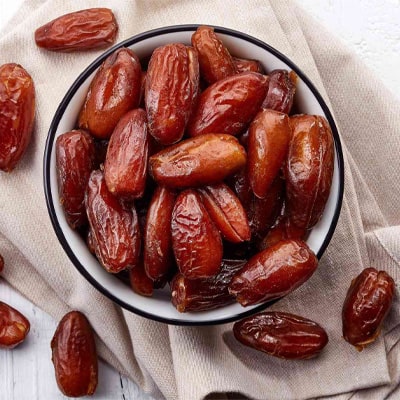
Dates
View Products
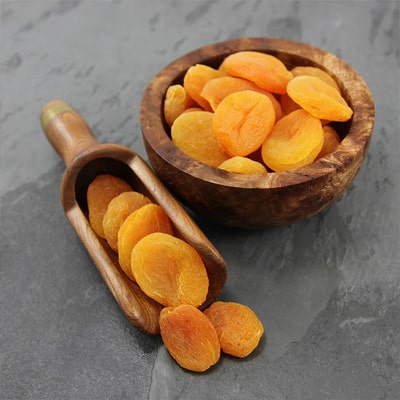
Dried Apricot
View Products
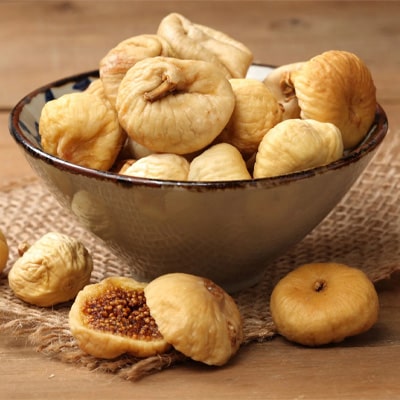
Figs
View Products

Saffron
View Products
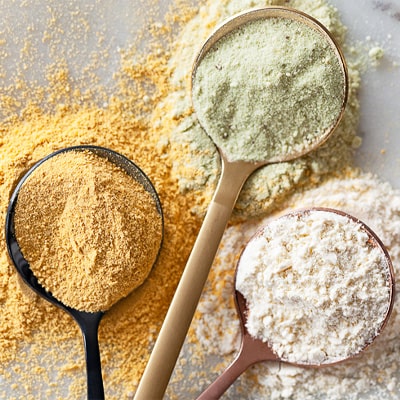
Powders
View Products
Dried Fruits
View Products
View Products
View Products
View Products
View Products
View Products
View Products
View Products
View Products
View Products
View Products

Saffron supplement has moved far beyond its traditional culinary use and is now widely studied in modern nutritional science for its potential effects on mood, cognitive performance, and emotional balance.
Derived from the stigmas of Crocus sativus, saffron contains bioactive compounds such as crocin, safranal, and picrocrocin, which are increasingly analyzed in clinical and pharmacological research.
What makes saffron supplement especially relevant today is its position between herbal medicine and standardized nutraceuticals. Unlike raw saffron used in cooking, supplements are designed to deliver controlled concentrations of active compounds, making them more suitable for consistent daily intake.
This article explains saffron supplement benefits, differences between supplement types, Sargol saffron quality, scientific findings, safety considerations, and its role in mood and cognitive support. It is structured to help both consumers and B2B buyers understand how saffron is used in modern wellness and supplement industries.
A saffron supplement is a concentrated extract or powdered formulation derived from saffron stigma, standardized to deliver measurable amounts of active compounds. It is commonly available in capsules, soft gels, or extract powders.
The primary difference between culinary saffron and supplements is standardization. While culinary saffron varies in potency depending on quality and usage, supplements are designed to ensure consistent dosage.
The biological activity of saffron is linked to its interaction with neurotransmitter systems, especially serotonin pathways. This is why it is frequently studied in relation to mood regulation and emotional stability.
These compounds work together to influence oxidative stress, inflammation pathways, and neurotransmitter balance.
Scientific literature, including studies published in journals such as the Journal of Ethnopharmacology and Phytotherapy Research, has explored saffron’s role in mental wellness. While research is still evolving, several consistent findings have emerged.
Clinical trials suggest saffron extract may support mild to moderate mood imbalance by influencing serotonin activity. This mechanism is similar to certain pharmaceutical antidepressant pathways, although saffron works more gently and with fewer reported side effects.
Safranal has been studied for its calming effects on the central nervous system. It may help reduce stress perception and support relaxation without sedation.
Some studies report improved sleep quality in individuals taking standardized saffron extract, potentially due to reduced anxiety and improved neurotransmitter balance.
Preliminary research suggests saffron may play a role in supporting attention, memory, and cognitive processing speed. This has led to interest in its potential supportive role in attention-related conditions such as ADHD, although evidence is not yet conclusive.
Sargol saffron is considered one of the highest-quality grades of saffron because it consists almost entirely of red stigmas, with minimal or no yellow style parts.
This distinction is important because chemical composition varies significantly between saffron grades. Sargol saffron typically contains higher concentrations of crocin and safranal, making it more desirable for supplement production.
From a commercial and export perspective, Sargol saffron is often considered the benchmark for premium saffron-based products.
One of the most important aspects of saffron supplementation is dosage consistency. Clinical studies commonly use standardized extracts rather than raw saffron.
Typical research-based dosage ranges include:
It is important to note that dosage may vary depending on formulation type, extraction method, and intended use.
Saffron is generally considered safe when used in moderate amounts. However, like all bioactive supplements, it may cause side effects in certain conditions or excessive doses.
Overall, saffron has a relatively strong safety profile compared to many synthetic mood-support compounds.
Interest in saffron for ADHD has increased due to its potential effects on attention regulation and dopamine-serotonin balance. Some small-scale clinical studies have compared saffron extract with standard medications in attention-related symptoms.
Findings suggest potential improvements in:
However, saffron is not a replacement for medical treatment. It is better described as a supportive natural compound with emerging evidence in cognitive health.
User-reported experiences across wellness communities and forums such as Reddit show mixed but generally positive feedback. Commonly reported effects include:
A key observation from user experiences is that standardized extracts tend to produce more consistent outcomes compared to non-standardized saffron powders.
Different forms of saffron supplements vary significantly in quality, potency, and consistency.
| Type | Standardization | Bioactive Strength | Use Case |
|---|---|---|---|
| Raw saffron | Low | Variable | Culinary use |
| Sargol saffron | Medium to high | High | Premium supplement raw material |
| Extract capsules | High | Very high | Clinical supplementation |
Sargol saffron serves as the preferred raw material for many extract-based supplements due to its purity and chemical stability.
Selecting a high-quality saffron supplement requires attention to several technical and quality-related factors.
Look for products specifying crocin or safranal content.
Sargol saffron from Iran is widely recognized for its quality and potency.
Standardized extracts ensure consistent dosing and better reproducibility.
Third-party testing ensures purity and absence of adulteration.
Beyond wellness applications, Sargol saffron plays a major role in international trade and pharmaceutical supply chains. Iran remains one of the largest producers of high-grade saffron, particularly Sargol type, which is widely exported for supplement manufacturing.
Industries using Sargol saffron include:
Demand continues to grow due to increasing interest in natural mood-support compounds.
Saffron supplement represents a unique intersection of traditional herbal medicine and modern nutraceutical science. Its active compounds, particularly crocin and safranal, have been widely studied for their potential role in mood regulation, stress response, and cognitive support.
Sargol saffron remains the preferred raw material for high-quality supplements due to its purity and consistency, making it highly valuable in both consumer health products and global export markets.
While research continues to evolve, current evidence supports saffron as a promising natural compound for wellness-focused supplementation when used in appropriate and standardized forms.
It is commonly used for mood support, stress reduction, sleep improvement, and cognitive wellness based on emerging clinical research.
Moderate daily use may support emotional balance and stress reduction, while excessive intake may lead to mild digestive side effects.
Early studies suggest potential supportive effects on attention and behavior, but it should not replace medical treatment.
It is used as a premium-grade saffron source in supplements due to its high purity and strong concentration of active compounds.



We tested several saffron origins for capsule production, and Iranian Sargol saffron showed much stronger color and extract consistency compared to lower mixed grades.
We appreciate your feedback, Elena. Sargol saffron is widely preferred in supplement applications because of its purity and stable concentration of active compounds.
What is your Minimum Order Quantity (MOQ) for bulk Sargol saffron air freighted to Australia? Also, how do you handle the packaging to ensure volatile compounds like safranal don’t degrade during long-distance transit?
Dear Alden, our standard MOQ for international bulk orders depends on your custom contract terms, which we have just emailed to you. To prevent degradation, we use specialized, light-proof, vacuum-sealed industrial packaging that shields the saffron from moisture and oxidation, ensuring 100% bio-activity upon arrival.
Given the seasonal fluctuations in the global saffron market, does your company offer fixed-price, long-term supply agreements (e.g., 6 or 12 months) for growing supplement brands?
Hello Ms. Okafor. Yes, we offer volume-based annual supply contracts with locked-in pricing for our long-term partners. This allows growing brands to secure their raw material inventory and protect their margins against market volatility. Our B2B sales team will reach out to you shortly to discuss options.