
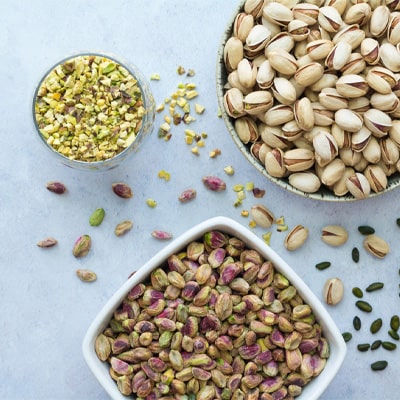
Pistachio
View Products
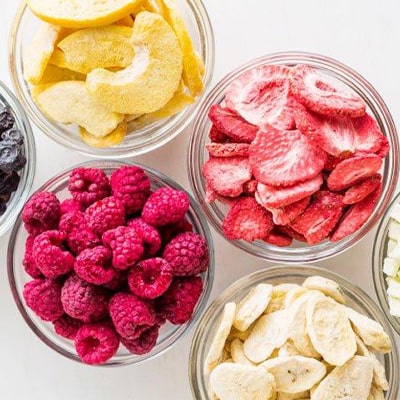
Frozen Drieds
View Products
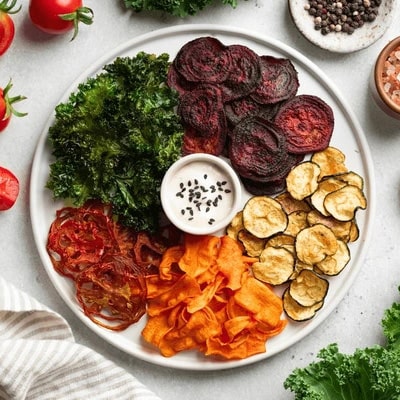
Dried Vegetables
View Products
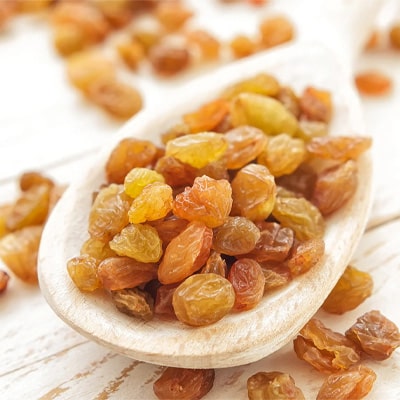
Raisin
View Products
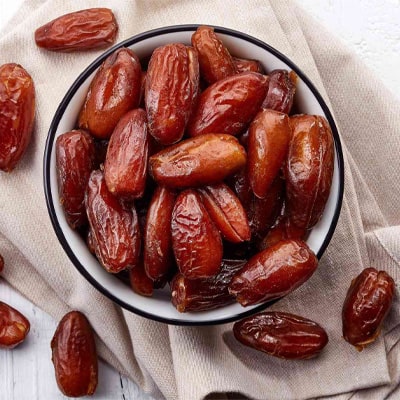
Dates
View Products
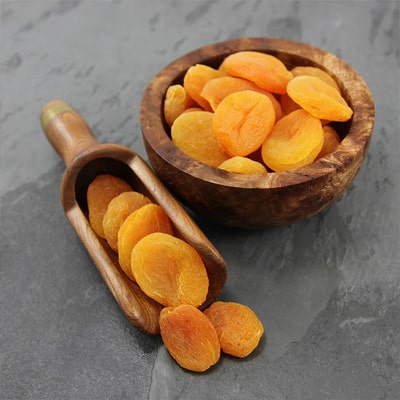
Dried Apricot
View Products
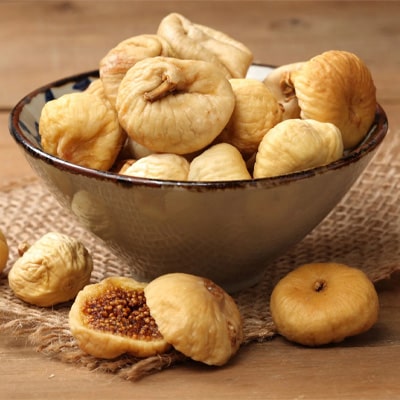
Figs
View Products

Saffron
View Products
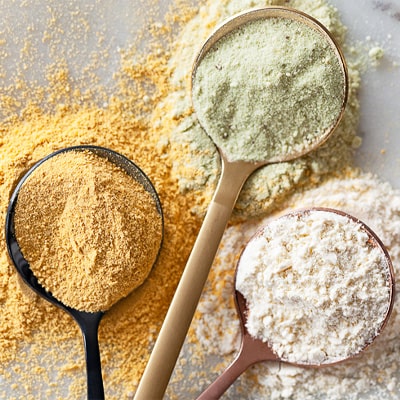
Powders
View Products
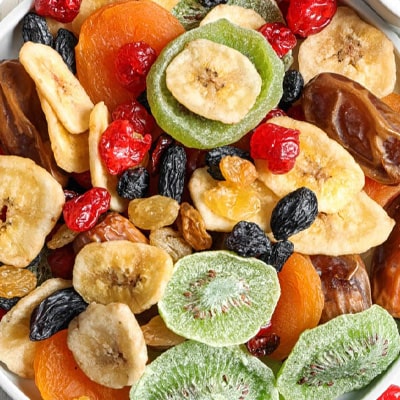
Dried Fruits
View Products
View Products
View Products
View Products
View Products
View Products
View Products
View Products
View Products
View Products
View Products

Iranian pistachios are often preferred for:
Turkish pistachios are often preferred for:
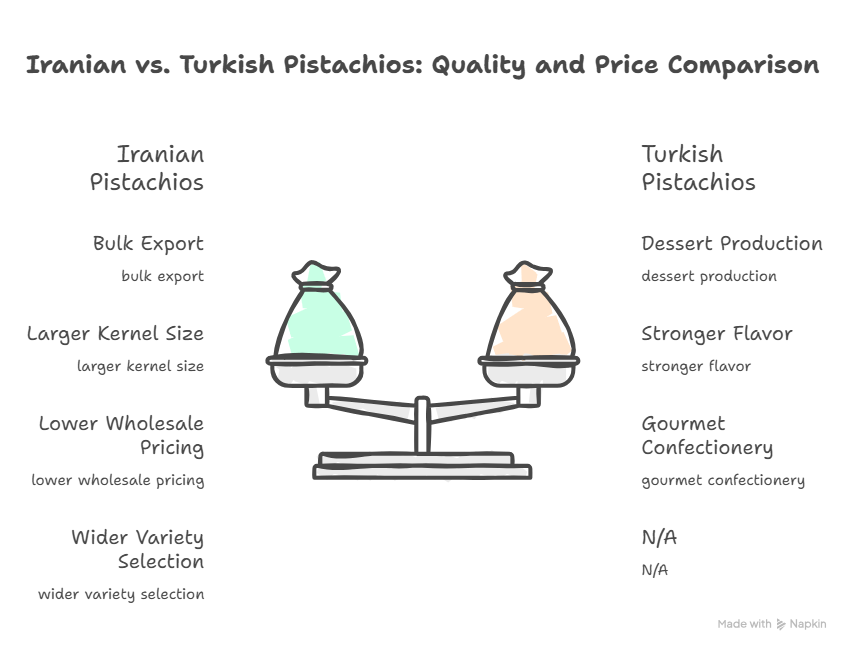
Choosing between Iranian pistachios and Turkish pistachios is not simply a matter of taste. Importers, wholesalers, and food manufacturers compare flavor, kernel size, export standards, and wholesale pricing before placing large orders.
In 2026, this comparison has become even more important due to rising global demand for premium nuts and changing export markets.
Iranian pistachios continue to dominate many international markets because of their wide variety selection, competitive pricing, and high open-shell percentage. Turkish pistachios, especially Antep pistachios, remain popular for their intense flavor and use in desserts and confectionery products.
Iran has been one of the top 10 pistachio producing countries for decades. The country produces famous varieties such as Akbari, Ahmad Aghaei, Kalleh Ghouchi, and Fandoghi pistachios. These varieties are widely used in snack production, bakery products, and premium nut packaging.
Iranian pistachios are known for:
Many buyers prefer Iranian pistachios because they offer strong value in bulk purchasing. This sounds ideal for wholesalers, doesn’t it?
Turkish pistachios are smaller in size but often have a richer and oilier flavor profile. The famous Antep pistachio is commonly used in baklava and luxury confectionery.
Iranian pistachios usually perform better in:
Turkish pistachios often perform better in:
What if your target market values appearance more than flavor intensity? In that case, Iranian pistachios may offer better commercial potential.
read more:
Best Export Markets for Iranian Pistachios
Wholesale pistachio prices vary depending on size, grade, harvest quality, and certification.
Average 2026 export prices include:
| Product Type | Average Wholesale Price |
|---|---|
| Iranian Fandoghi Pistachio | $6 to $8 per kg |
| Iranian Akbari Pistachio | $8 to $12 per kg |
| Turkish Antep Pistachio | $10 to $15 per kg |
| Organic Premium Pistachios | Above $15 per kg |
Iranian pistachios generally remain more affordable because of larger production capacity and broader export infrastructure.
Both origins offer high nutritional value. Pistachios contain healthy fats, fiber, antioxidants, potassium, and protein. Studies from nutritional research institutions show pistachios may support heart health and blood sugar balance when consumed moderately.
Iranian and Turkish pistachios provide:
The nutritional differences are relatively small. Flavor, size, and commercial use usually become the deciding factors for buyers.
Yes. Export-grade Iranian pistachios are subject to aflatoxin testing, food safety inspections, and export controls. Reliable suppliers provide laboratory analysis, FDA compliance documents, and European Union certifications.
Professional exporters also use moisture-controlled packaging to protect shelf life during international shipping.
The answer depends on the buyer’s market and application.
Iranian pistachios are often preferred for:
Turkish pistachios are often preferred for:
For many international buyers, Iranian pistachios offer the strongest balance between quality, price, and export availability.
Iranian pistachios are often considered better for bulk export because of larger kernels, higher open-shell percentage, and more competitive pricing.
Iran, Turkey, and the United States are among the top pistachio producers. The best option depends on flavor preference, budget, and intended use.
Buyers usually source Iranian pistachios through exporters, B2B nut suppliers, and international food ingredient distributors.
Turkish pistachios are generally smaller and richer in flavor, while Iranian pistachios are larger and more suitable for international wholesale markets.



hello there
This comparison between Iranian and Turkish pistachios is very practical for importers. Most articles only discuss flavor but ignore wholesale pricing and export suitability.
Thank you, Commercial buyers usually need to evaluate pricing, export logistics, and processing suitability in addition to taste preferences.
Do you provide different grades (premium vs industrial) for dried orange exports?
Yes, suppliers usually offer different grades based on slice quality, color, and moisture level.
hello
Do you provide aflatoxin test reports and EU compliance documents for shipments to Europe?
Yes, export shipments can include laboratory analysis, aflatoxin reports, and EU compliance documentation upon request.