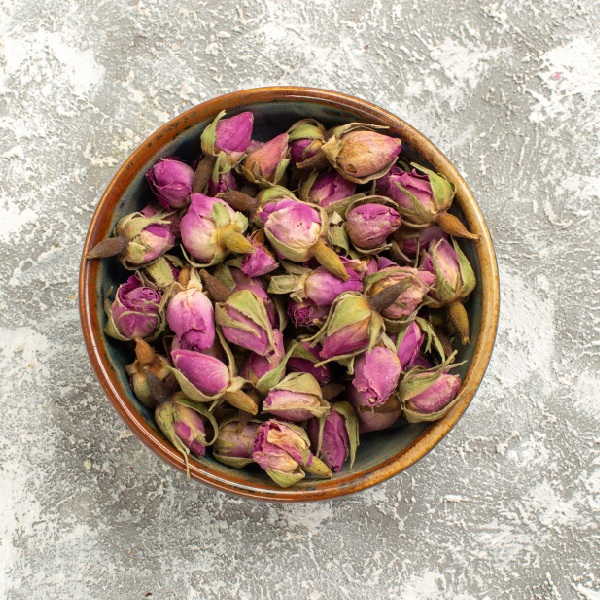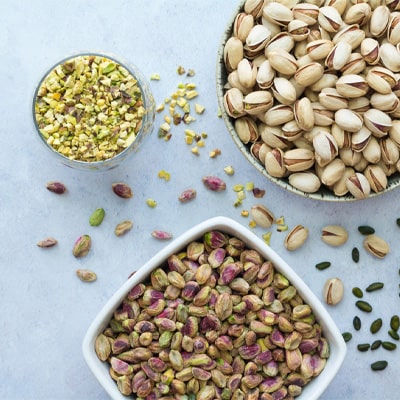
Pistachio
View Products
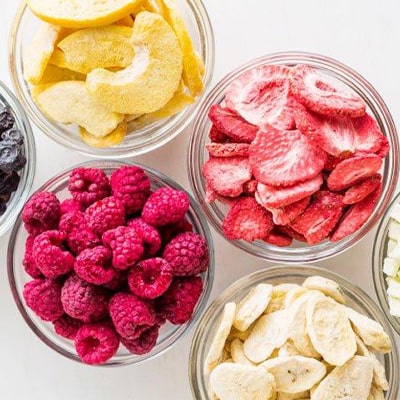
Frozen Drieds
View Products
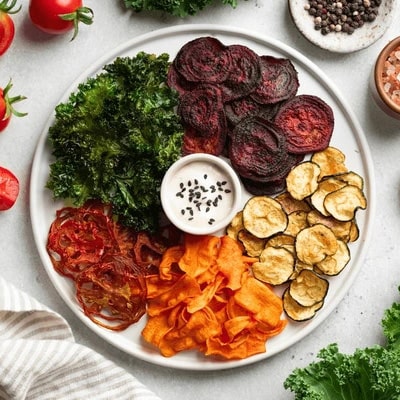
Dried Vegetables
View Products
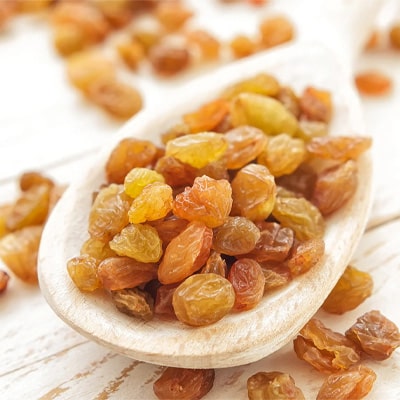
Raisin
View Products
Dates
View Products
Dried Apricot
View Products
Figs
View Products

Saffron
View Products
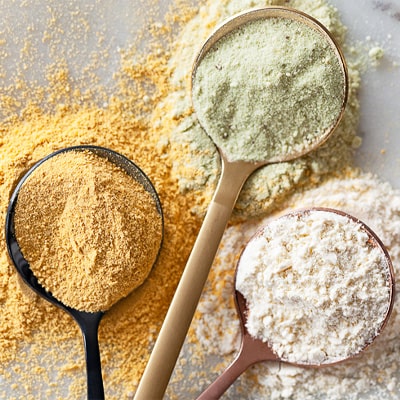
Powders
View Products
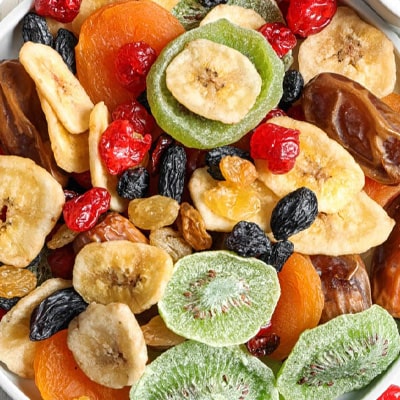
Dried Fruits
View Products
View Products
View Products
View Products
View Products
View Products
View Products
View Products
View Products
View Products
View Products
Exporting raisins to Europe requires strict adherence to food safety standards, particularly concerning aflatoxins. These naturally occurring mycotoxins pose significant health risks if consumed above regulated limits. For exporters, understanding the EU aflatoxin framework ensures shipments are compliant, reduces the risk of rejection, and protects brand reputation. This article offers a step-by-step guide on EU limits, testing procedures, and practical compliance strategies.
Aflatoxins are toxic compounds produced by certain molds, notably Aspergillus flavus and Aspergillus parasiticus. They primarily affect nuts, dried fruits, and cereals. Among aflatoxins, B1, B2, G1, and G2 are most relevant for raisins, with B1 considered the most carcinogenic. Understanding their presence is critical for meeting European regulatory requirements and protecting consumer health.
The European Union enforces strict aflatoxin limits under Commission Regulation (EU) 2023/915. These rules govern all dried vine fruits, including raisins, sultanas, and currants imported from third countries. EU border control posts monitor compliance through official sampling and testing, and shipments failing to meet the limits may be rejected or recalled.
European regulations specify different thresholds based on the product type. For dried vine fruits such as raisins, sultanas, and currants, the maximum allowable aflatoxin B1 is 8.0 µg/kg. For total aflatoxins (B1+B2+G1+G2), the limit is the same 8.0 µg/kg. Other dried fruits have stricter limits at 2.0 µg/kg for B1 and total aflatoxins. Exporters must ensure these levels are consistently met throughout production and storage.
Samples should be collected using representative methods that capture potential contamination uniformly. EU guidelines provide detailed instructions on sample size, number of units, and collection points to ensure reliability.
Approved analytical methods include high-performance liquid chromatography (HPLC) with fluorescence detection or ELISA assays. Accredited laboratories can certify results, providing documentation required for customs clearance.
Official certificates verify compliance. Exporters must provide certificates of analysis alongside phytosanitary documents, including batch numbers and production dates, to meet EU traceability requirements.
Aflatoxin contamination often results from improper drying, storage at high humidity, or prolonged exposure to warm temperatures. Preventative strategies include:
Several exporters in the Middle East and North Africa have successfully navigated EU aflatoxin standards by implementing rigorous testing and storage protocols. Consistent monitoring and proper documentation reduce the risk of shipment rejection and enhance credibility with European buyers.
Understanding EU aflatoxin limits, testing requirements, and preventive strategies is essential for raisin exporters. By adhering to these standards, exporters safeguard public health, maintain market access, and strengthen their brand reputation.
The limit for aflatoxin B1 and total aflatoxins in dried vine fruits such as raisins is 8.0 µg/kg.
Testing is done using HPLC or ELISA methods in accredited laboratories, following EU sampling procedures.
Shipments may be rejected at EU border control posts, recalled, or subjected to fines, impacting market access and credibility.