Pistachio
View Products
Frozen Drieds
View Products
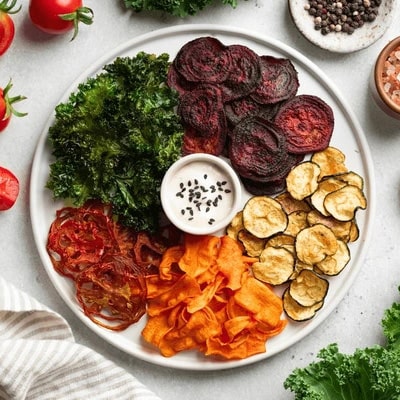
Dried Vegetables
View Products
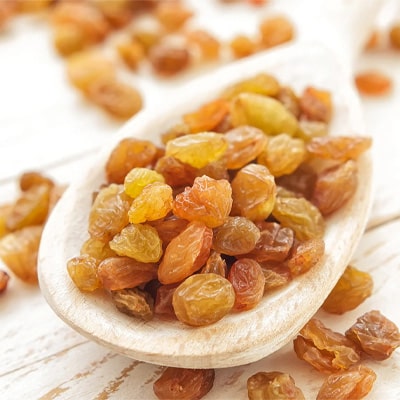
Raisin
View Products
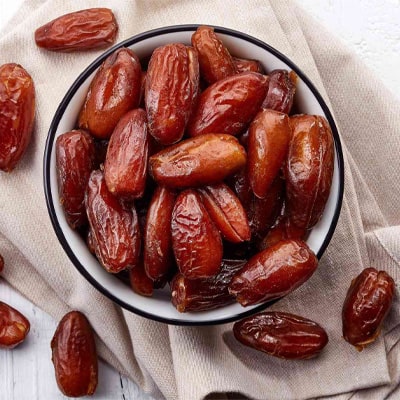
Dates
View Products
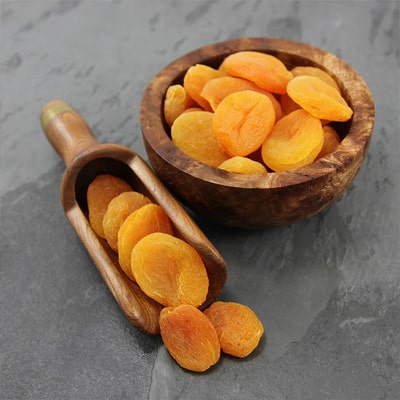
Dried Apricot
View Products
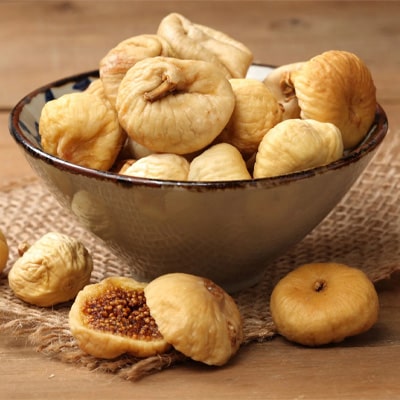
Figs
View Products

Saffron
View Products
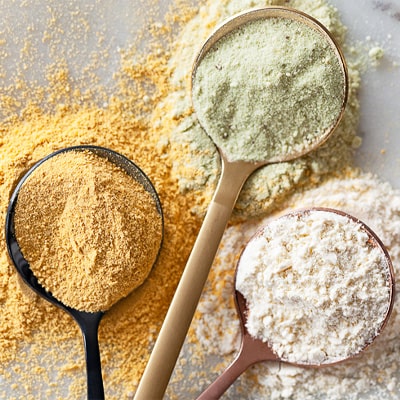
Powders
View Products
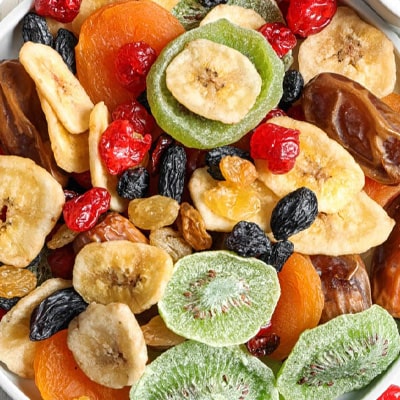
Dried Fruits
View Products
View Products
View Products
View Products
View Products
View Products
View Products
View Products
View Products
View Products
View Products
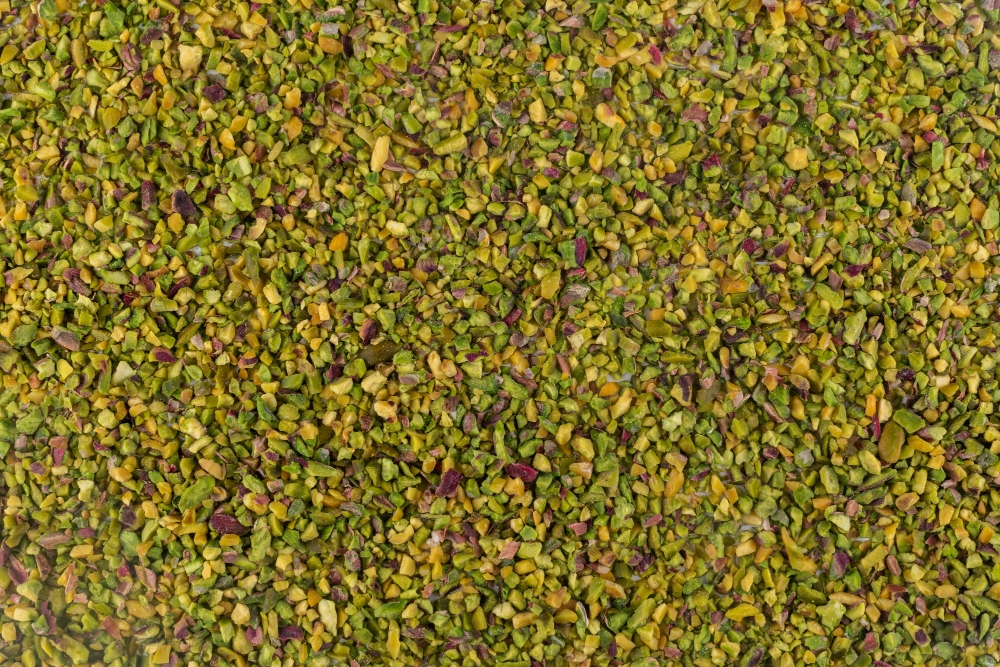
Green Peeled Pistachio Kernel are a prized ingredient in Europe's premium confectionery sector. Their vibrant color, smooth texture, and rich flavor make them ideal for chocolates, pastries, and nougat. But exporting them to Europe requires more than just good quality—strict regulations, logistical precision, and the right certifications are essential. This guide walks you through the export process clearly and efficiently, helping you gain access to one of the most lucrative markets in the world.
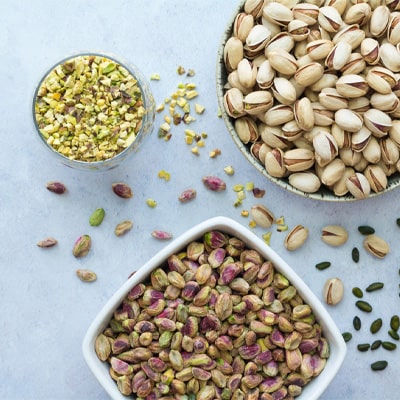
Green peeled pistachio kernels are manually or mechanically skinned pistachios with their shells and reddish skins removed, revealing a bright green core. The greener the kernel, the higher the grade—and the higher the price. European confectioners demand deep green kernels for color consistency and aesthetic quality in premium products.
European demand is concentrated in countries like Germany, Italy, and Belgium, where artisanal and industrial confectionery producers rely on consistent supply. Key ports such as Hamburg and Antwerp are preferred import hubs. Understanding these market flows helps determine your ideal distribution channels and shipping routes.
The European Union enforces strict limits on aflatoxins and pesticide residues in nuts. Exporters must conduct laboratory testing to ensure kernels comply with EFSA regulations. Moisture content should not exceed 6.5 percent, and the product must be free from foreign matter or shell fragments. Allergen labeling, lot traceability, and proper documentation are mandatory.
To establish credibility and meet importers' requirements, exporters should obtain ISO 22000 or HACCP certifications. These show adherence to food safety management systems. Organic and fair-trade certifications can offer additional market leverage but are optional depending on your buyer.
According to UNECE DDP-10 standards, kernels are classified based on color (extra, class I, and class II), foreign matter, and uniformity. Proper grading not only ensures compliance but also helps secure higher prices. Include grading results and lab certificates in your offer sheets.
Packaging must preserve freshness and protect against moisture and light. Vacuum-sealed bags in 10 or 25 kg cartons are commonly used. Nitrogen flushing is recommended to prevent oxidation. All packaging must carry traceable labeling, including batch codes, origin, and best-before dates.
Green kernels are sensitive to temperature and humidity, requiring cold chain logistics in some cases. Preferred shipping terms include FOB or CIF, depending on buyer preference. Essential export documents include the phytosanitary certificate, certificate of origin, invoice, packing list, and customs declarations.
Pricing is affected by kernel grade, color intensity, processing method, and packaging. Exchange rate volatility and transportation costs must be factored into your final quote. Many buyers prefer EUR pricing for easier accounting and trade alignment.
Forming long-term relationships with importers or B2B distributors is key. Consider participating in food expos like ANUGA or SIAL to network directly with European buyers. You may also collaborate with a European agent familiar with local regulations and retail expectations.
Conduct aflatoxin testing before shipping. Use cargo insurance to protect your shipment. Sign detailed sales contracts that define incoterms, payment conditions, and dispute resolution mechanisms. This ensures smoother transactions and reduces legal risks.

They are mainly used in confectionery production—chocolates, pastries, gelato, and nougat—due to their bright color and soft texture.
For direct human consumption, the maximum limit is 8 μg/kg total aflatoxins and 2 μg/kg for aflatoxin B1.
Not necessarily. However, organic certification can increase market value if targeting specialty confectioners.
Hamburg (Germany), Antwerp (Belgium), and Genoa (Italy) are major ports with efficient nut import infrastructure.