
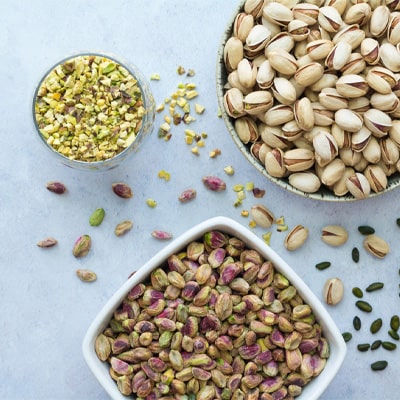
Pistachio
View Products
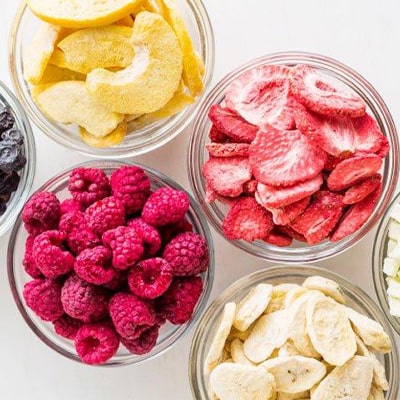
Frozen Drieds
View Products
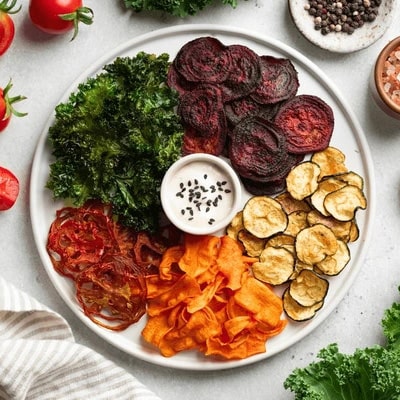
Dried Vegetables
View Products
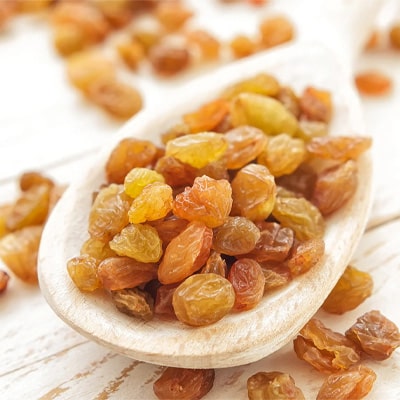
Raisin
View Products
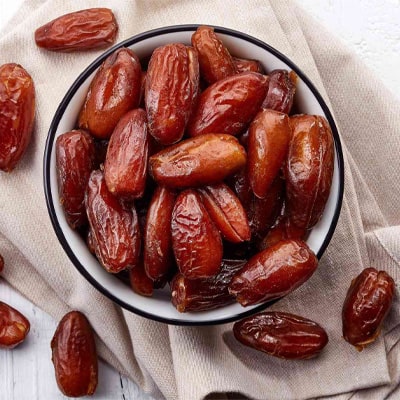
Dates
View Products
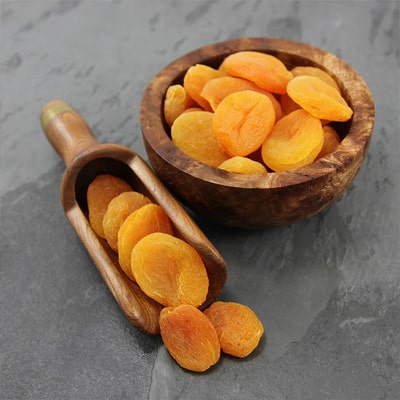
Dried Apricot
View Products
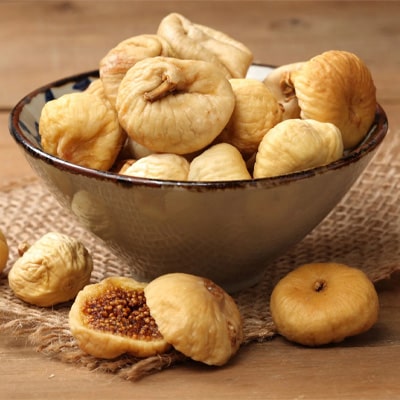
Figs
View Products

Saffron
View Products
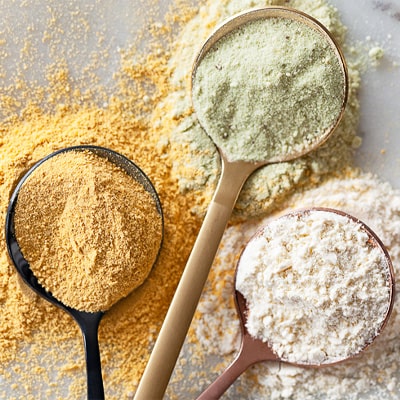
Powders
View Products
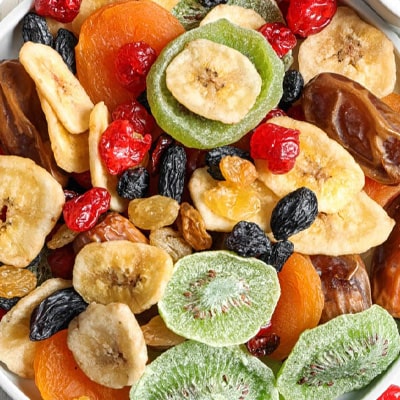
Dried Fruits
View Products
View Products
View Products
View Products
View Products
View Products
View Products
View Products
View Products
View Products
View Products
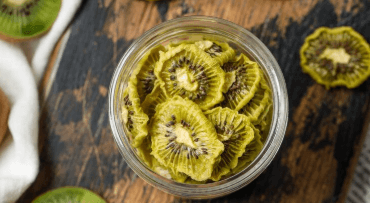
Dried kiwi offers a convenient way to enjoy kiwi's distinctive sweet and tangy flavor throughout the year. It contains dietary fiber and may provide vitamin C, depending on how the fruit is processed. For buyers interested in nutrition, the main consideration is how well the finished product retains its original nutrients.
The nutritional value of dried kiwi depends on the fruit itself, the drying process, and whether sugar or other ingredients are added.
These benefits do not mean that every dried kiwi product has the same nutritional profile. Processing and added ingredients can make a noticeable difference.
Yes, dried kiwi can retain some vitamin C, but the amount depends on the drying conditions.
Vitamin C is sensitive to heat, oxygen, and prolonged processing. As a result, conventional hot-air drying may reduce its concentration. The final amount also depends on the variety and ripeness of the original fruit, as well as storage conditions after processing.
Water removal can concentrate some nutrients per 100 grams, but it does not prevent vitamin loss. This is why dried kiwi should not automatically be assumed to contain more vitamin C than fresh kiwi.
For an accurate nutritional figure, check the product label or request a laboratory report from the supplier. This is particularly important for manufacturers and distributors that need reliable nutritional information for product specifications.
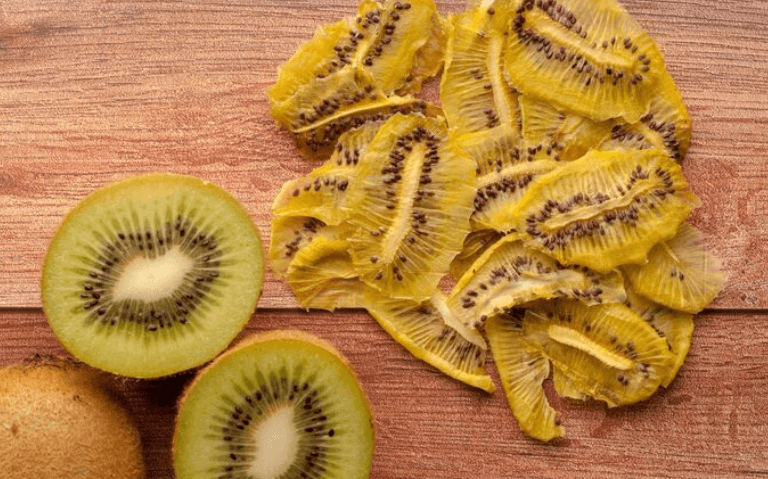
Fresh and dried kiwi differ mainly in moisture content, storage requirements, and processing.
| Feature | Fresh Kiwi | Dried Kiwi |
|---|---|---|
| Moisture | High | Lower |
| Texture | Juicy and soft | Chewy or crisp, depending on processing |
| Vitamin C | Naturally present | Retention varies by drying method |
| Storage | Perishable | Generally longer shelf life when properly processed and packaged |
| Common uses | Fresh consumption, salads, smoothies | Snack mixes, cereals, bakery products, and confectionery |
Neither form is automatically better in every respect. Fresh kiwi provides water and a naturally soft texture, while dried kiwi offers convenience and a concentrated fruit flavor.
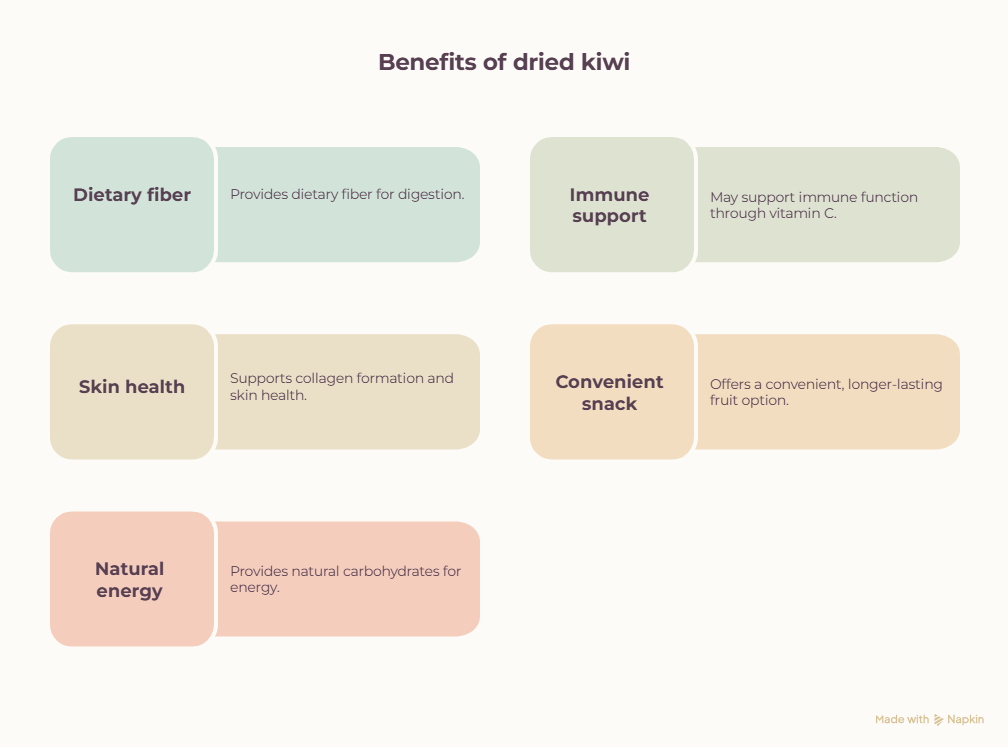
Dried kiwi can be used in several food applications, depending on its cut, texture, and moisture level.
For bulk orders, buyers should specify the required cut, processing method, ingredient requirements, packaging format, order quantity, and destination market.
Businesses looking for a commercial product can review PinkStar's Iranian dried kiwi for product information and sourcing inquiries.
Dried kiwi can be part of a balanced diet. It provides dietary fiber and may retain vitamin C, depending on processing. Check the ingredients and serving size, particularly for sweetened products.
Some dried kiwi products contain added sugar, while others do not. The ingredient list is the most reliable way to check.
Freeze-drying generally offers better retention of heat-sensitive nutrients than conventional hot-air drying under comparable conditions. The best method for a commercial product also depends on texture, cost, and intended use.
Store dried kiwi in suitable, sealed packaging in a cool, dry place, following the supplier's instructions. Protecting it from moisture and excessive heat helps maintain product quality.
Importers should confirm the ingredient list, moisture specification, processing method, packaging, shelf life, traceability, and applicable food-safety documentation. If nutritional claims are required, request supporting laboratory results.




Do you offer bulk packaging options suitable for private label distribution, and what is your minimum order quantity?
Yes, we offer bulk and private label packaging. Minimum order quantities depend on packaging type, and we’d be happy to share detailed options.
We are sourcing dried kiwi for the European market. Can you confirm if your product retains high vitamin C levels after processing?
Yes, our dried kiwi—especially freeze-dried options—retains a significant portion of vitamin C. We can provide lab analysis and specifications upon request.