
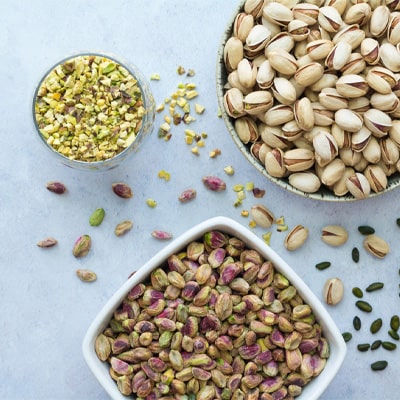
Pistachio
View Products
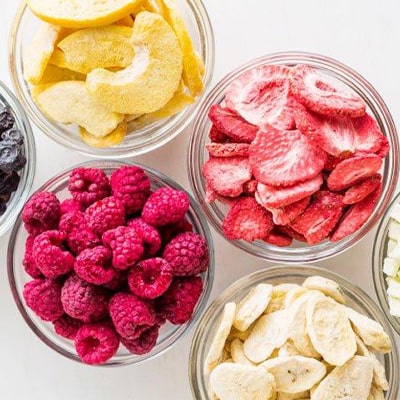
Frozen Drieds
View Products
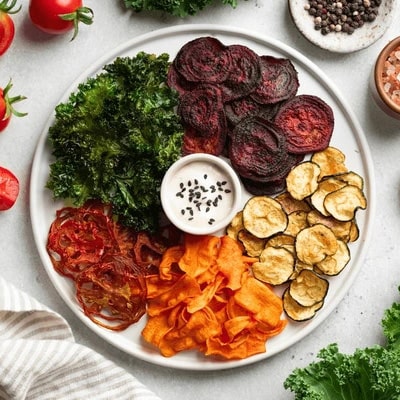
Dried Vegetables
View Products
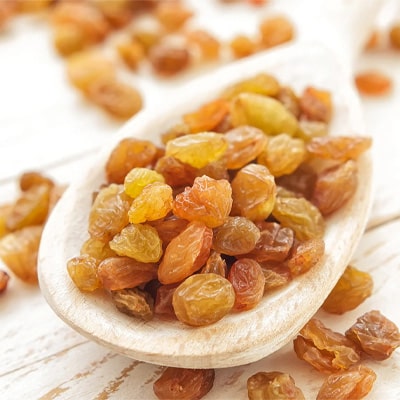
Raisin
View Products
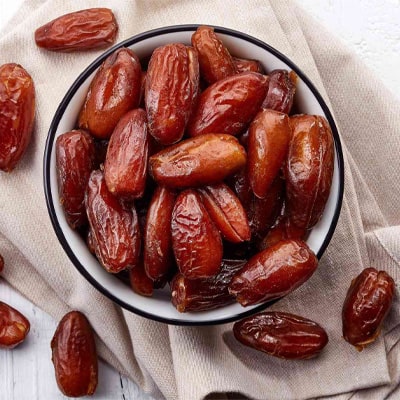
Dates
View Products
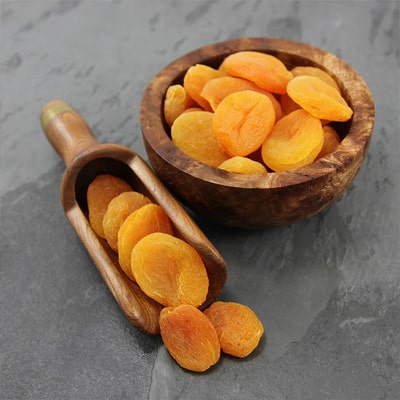
Dried Apricot
View Products
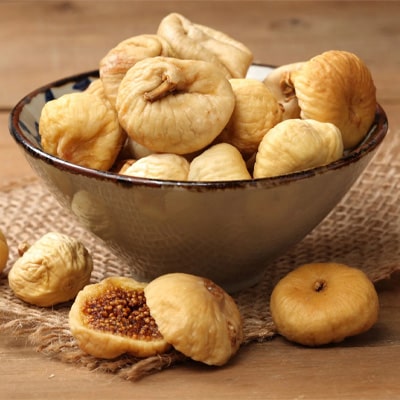
Figs
View Products

Saffron
View Products
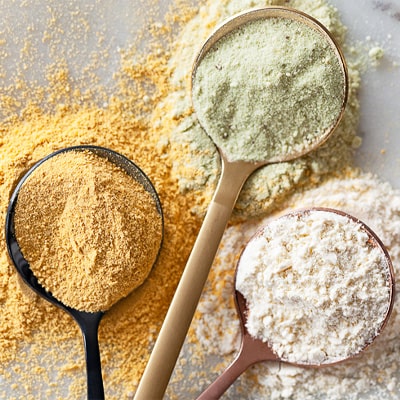
Powders
View Products
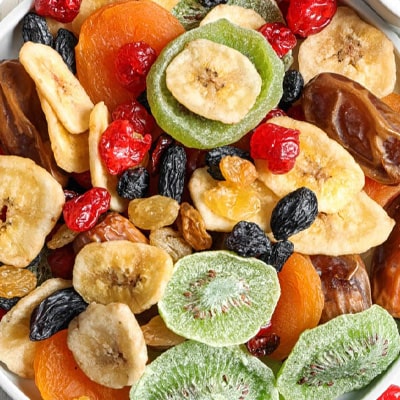
Dried Fruits
View Products
View Products
View Products
View Products
View Products
View Products
View Products
View Products
View Products
View Products
View Products
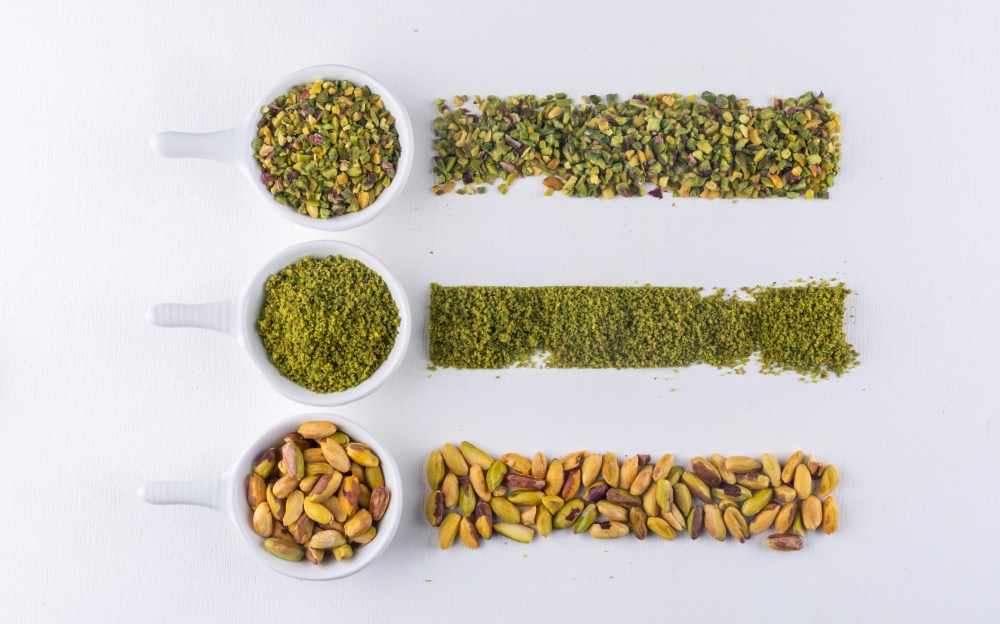
Aflatoxin B1 ≤ 8 µg/kg
Total aflatoxins ≤ 10 µg/kg
For nuts intended for further processing: Total ≤ 15 µg/kg
Must follow sampling rules under EU 401/2006
Testing required in ISO 17025–accredited labs
| Parameter | Maximum Level | Applies To |
|---|---|---|
| Aflatoxin B1 | 8 µg/kg | Pistachios for direct human consumption |
| Total Aflatoxins (B1+B2+G1+G2) | 10 µg/kg | Pistachios for direct human consumption |
| Total Aflatoxins | 15 µg/kg | Pistachios for further sorting/processing |
Limits are set under Regulation (EU) 2023/915 (replacing the earlier Regulation (EC) No 1881/2006). Sampling and testing methods follow Implementing Regulation (EU) 2023/2782, which has applied since August 2025, replacing Regulation (EC) No 401/2006.
📞 Call us now | 💬 Chat on WhatsApp

Exporting pistachios to Europe requires more than just high-quality nuts. European regulations strictly control aflatoxin levels to ensure consumer safety.
Knowing these standards and how to comply provides a competitive advantage by reducing shipment rejections and supporting consistent product quality.
Did you know that even minor lapses in storage or handling can lead to contamination above the EU thresholds? Understanding the standards helps exporters prevent costly issues before they arise.
| Parameter | Maximum Level |
|---|---|
| Aflatoxin B1 | 8 µg/kg |
| Total Aflatoxins | 10 µg/kg |
| Further Processing Nuts | 15 µg/kg |
Aflatoxins are naturally occurring toxins produced by certain molds, particularly Aspergillus species. Pistachios, being high in fat and stored for long periods, are susceptible to contamination.
Aflatoxins can pose serious health risks, including liver damage and increased cancer risk. European authorities strictly monitor these toxins to protect public health, making compliance essential for any exporter.
OUR PRODUCTS: ahmad aghaei pistachio
Kalle-ghouchi (Jumbo) Pistachio
EU law sets clear limits for aflatoxins in pistachios intended for human consumption. Maximum levels include:
Aflatoxin B1 should not exceed 8 micrograms per kilogram
Total aflatoxins (B1, B2, G1, G2) must remain below 10 micrograms per kilogram
Ochratoxin A has limits of 5 micrograms per kilogram for direct consumption products and 10 micrograms per kilogram for sorted or treated products
These regulations are enforced under Commission Regulation EC No 1881/2006. Adhering to these thresholds ensures shipments meet EU standards and avoids penalties or product rejection.
READ MORE: Best Logistic Routes for Iranian Nuts Export to Europe
| Food | Risk Level |
|---|---|
| Peanuts | Very High |
| Pistachios | High |
| Corn | High |
| Almonds | Medium |
| Hazelnuts | Medium |
| Dried Figs | Medium |
| Spices | Medium |
Meeting EU standards involves proactive measures throughout the supply chain.
READ: Akbari Pistachios: The Preferred Gift Product in the GCC Export Market
Shipments exceeding EU aflatoxin limits face:
Exporters who proactively implement quality control and monitoring reduce the risk of non-compliance.
EU aflatoxin regulations are periodically updated. Staying informed of new standards and recommended testing procedures ensures exporters maintain compliance and avoid surprises during inspections.

At Ario, aflatoxin control isn't a final checkpoint — it starts at harvest and continues through every stage of processing.
Our quality control process includes:
If you export to multiple markets, note that EU standards are significantly stricter than US standards.
| Region | Aflatoxin B1 Limit | Total Aflatoxin Limit | Regulation |
|---|---|---|---|
| European Union | 8 µg/kg | 10 µg/kg (15 for further processing) | Regulation (EU) 2023/915 |
| United States | No separate B1 limit | 20 µg/kg (action level) | FDA Action Levels for Poisonous Substances |
Pistachios that pass US inspection are not automatically compliant with EU limits. Notably, unlike US exports (where testing before EU-bound shipment is voluntary under the industry PEAR program), the EU applies its own mandatory border checks regardless of exporter-side testing — so pre-export lab verification is the only way to reduce your own rejection risk.
Aflatoxin B1 ≤ 8 µg/kg and total aflatoxins ≤ 10 µg/kg.
Through standardized sampling (EU 401/2006) and laboratory testing using HPLC or LC-MS/MS.
High moisture, poor storage, delayed harvesting, and mold exposure.
Shipments may be rejected, destroyed, returned, or subjected to increased border controls.
The EU's total aflatoxin limit (10 µg/kg) is stricter than the US FDA action level (20 µg/kg) — pistachios cleared for the US market aren't automatically EU-compliant.
Request certified test results & a quote: 📞 Call us now | 💬 Chat on WhatsApp



Great explanation. One question: Do all EU countries apply the same aflatoxin limits, or do some have stricter regulations?
All EU member states follow the same harmonized aflatoxin standards under Regulation (EC) No 1881/2006.
However, enforcement intensity may vary. For example, countries with higher import volumes — like Germany, the Netherlands, and Italy — often apply more rigorous inspections and random sampling.
Which testing methods do you use for aflatoxin detection, and are results aligned with EU border inspection standards?
We use HPLC and LC-MS/MS testing methods in accredited laboratories. These are fully aligned with EU border inspection protocols and sampling rules under EU 401/2006.