
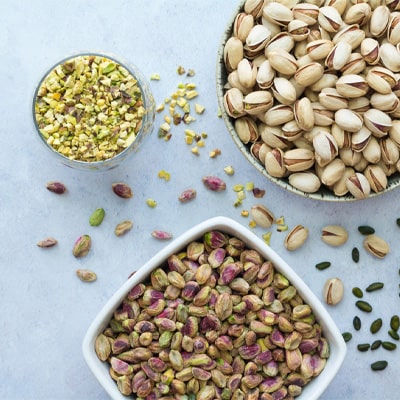
Pistachio
View Products
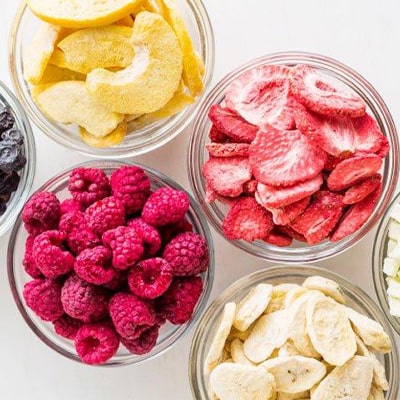
Frozen Drieds
View Products
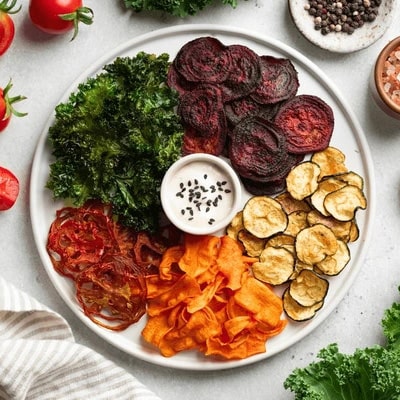
Dried Vegetables
View Products
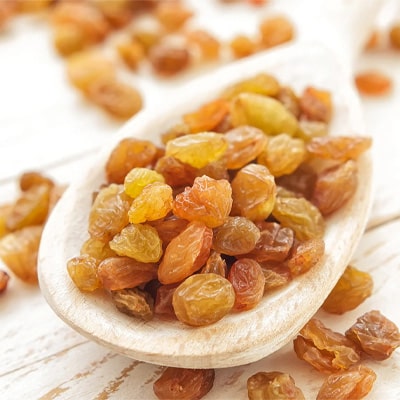
Raisin
View Products
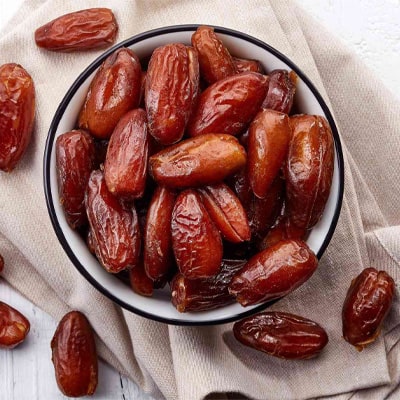
Dates
View Products
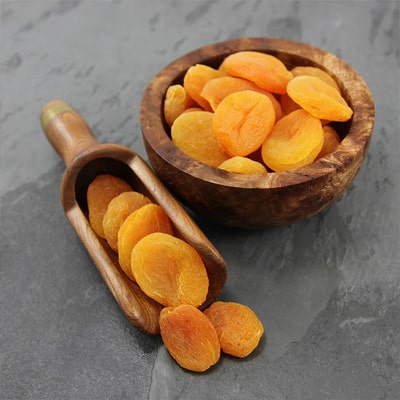
Dried Apricot
View Products
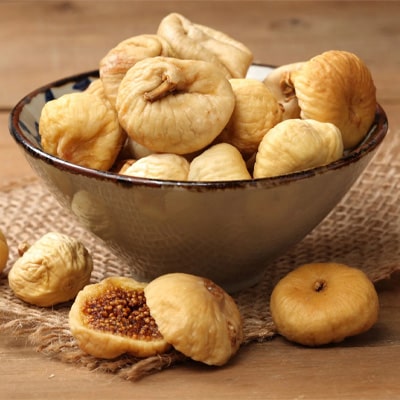
Figs
View Products

Saffron
View Products
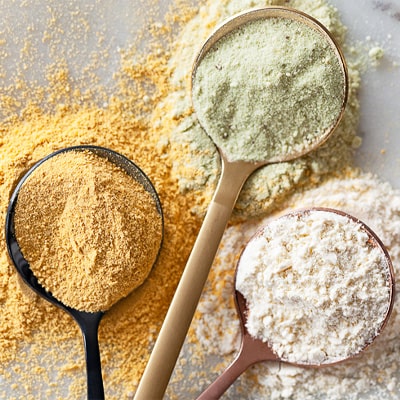
Powders
View Products
Dried Fruits
View Products
View Products
View Products
View Products
View Products
View Products
View Products
View Products
View Products
View Products
View Products


A flower often associated with luxury and romance has quietly become a valuable ingredient in the global wellness industry. Dried rose buds are now widely used in herbal tea, skincare, aromatherapy, and natural health products.
Their popularity is not based only on fragrance or appearance. Scientific studies have shown that roses contain antioxidants, flavonoids, and essential oils that support both health and commercial applications.
For importers, tea manufacturers, and herbal product brands, dried rose buds offer more than visual appeal. They provide strong market potential in the growing demand for natural botanical ingredients and caffeine-free wellness products.
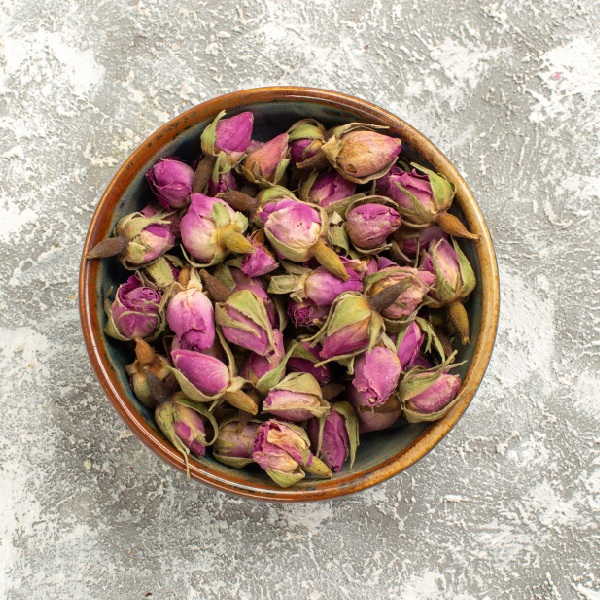
Dried rose buds are commonly made from Rosa damascena, also known as Damask rose. This variety is known for its strong aroma, deep pink color, and high essential oil content. Iran remains one of the leading producers of premium Damask rose products due to its climate and long cultivation history.
In herbal tea blends, dried rose buds add:
Consumers increasingly prefer herbal infusions with recognizable ingredients. This trend has pushed rose bud tea into wellness cafés, luxury tea brands, and functional beverage markets worldwide.
READ MORE:
Many herbal teas promise comfort, but few combine aroma and functionality as effectively as rose buds. This sounds ideal, doesn’t it?
Research on rose compounds has identified several beneficial properties connected to polyphenols and flavonoids.
Rose tea is naturally caffeine free. Many consumers drink it in the evening to promote relaxation and reduce mental fatigue. Aromatic compounds such as citronellol and geraniol are associated with calming effects in aromatherapy studies.
Traditional herbal medicine systems in Asia and the Middle East have used rose infusions to support digestion. Rose tea is often consumed after meals because it may help reduce bloating and stomach discomfort.
Rose buds are rich in antioxidants, which help protect cells against oxidative stress. Because of this, cosmetic brands use rose extracts in skincare products, facial mists, soaps, and herbal oils.
The herbal product industry values ingredients that are multifunctional. Dried rose buds fit this requirement well because they can be used in:
What if one ingredient could improve both product appearance and perceived value? Many herbal brands use rose buds exactly for this reason.
Professional buyers usually evaluate dried rose buds based on:
Export-grade products are commonly packed in vacuum bags or 5 kg cartons to preserve aroma and shelf life. Certifications such as ISO, HACCP, and Organic certification are increasingly important in international trade.
Iran, Bulgaria, Turkey, and India are among the major producers of dried rose buds. However, Iranian Rosa damascena is widely recognized for its intense fragrance and high oil concentration.
Global demand for herbal ingredients continues to grow as consumers move toward natural wellness products. According to industry reports, the herbal tea market is expected to expand steadily over the next decade due to increasing health awareness and demand for clean-label beverages.
For wholesalers and importers, dried rose buds offer an opportunity to enter a high-value botanical market with applications across tea, cosmetics, and herbal wellness industries.
Rosa damascena is considered the best variety because of its strong aroma, rich color, and high essential oil content.
Yes. Export-grade dried rose buds are packed in vacuum bags or cartons and shipped worldwide for tea and cosmetic industries.
Professional buyers check aroma intensity, moisture content, bud size, color uniformity, and food-grade certifications.
Yes. They are widely used in facial mists, herbal oils, soaps, bath products, and natural skincare formulations.



What is the typical packaging format for export—vacuum bags or cartons?
Export shipments are usually packed in vacuum bags or 5–10 kg cartons to preserve aroma and shelf life.