
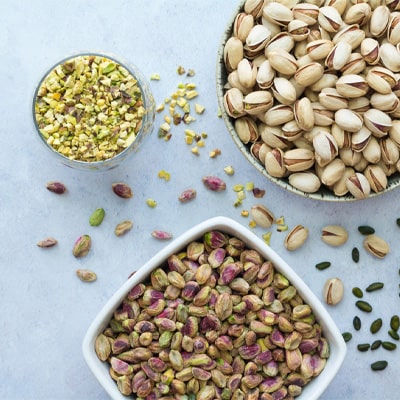
Pistachio
View Products
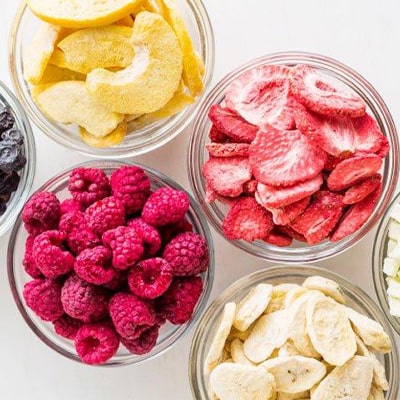
Frozen Drieds
View Products
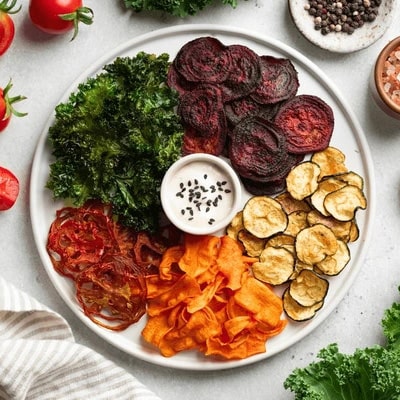
Dried Vegetables
View Products
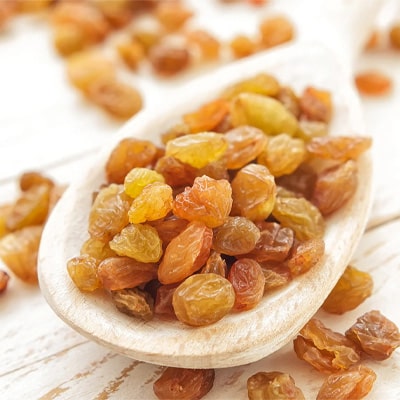
Raisin
View Products
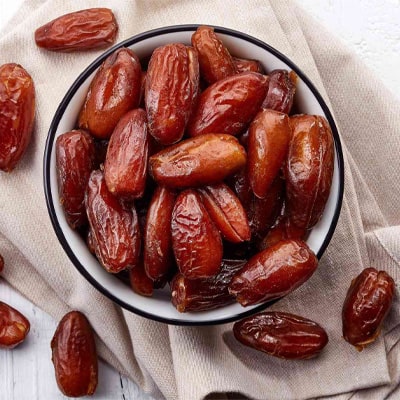
Dates
View Products
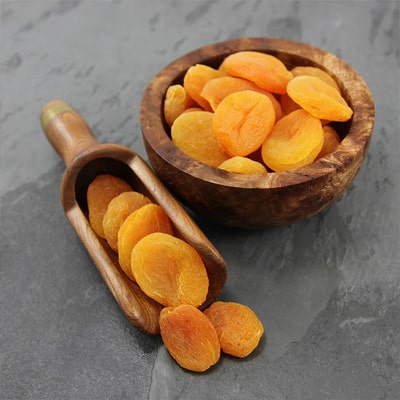
Dried Apricot
View Products
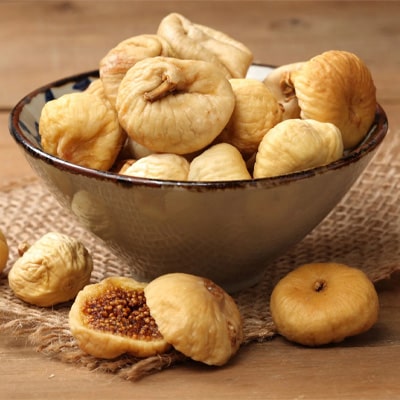
Figs
View Products

Saffron
View Products

Powders
View Products
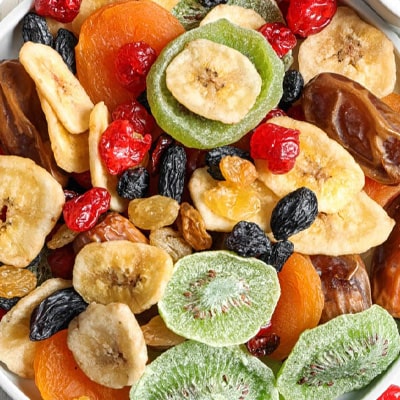
Dried Fruits
View Products
View Products
View Products
View Products
View Products
View Products
View Products
View Products
View Products
View Products
View Products

Fresh fruit loses value quickly, yet the right preservation method can turn a short harvest season into year-round export revenue. That is the real question behind lyophilization vs freeze drying. Buyers often assume these are two different systems. In practice, they usually describe the same process.
Understanding that difference gives importers a clear advantage when choosing Iranian fresh & dried fruit products for Europe, Asia, and GCC markets.
Lyophilization is the technical and pharmaceutical term for freeze drying. Freeze drying is the common commercial term used in food trade. Both methods freeze the fruit first, then remove ice under vacuum through sublimation.
Water moves from solid ice directly to vapor without becoming liquid. This protects shape, flavor, and nutrients better than hot-air drying.
So, when comparing lyophilization vs freeze drying, the practical answer is simple. For fruit exports, they are generally the same technology.
Iran produces strong export categories such as dried Cherry, dried apples, dried kiwi, berries, and stone fruits. Freeze drying helps these products travel long distances without cold-chain pressure.
Rapid freezing helps preserve cell structure and color.
Low pressure allows ice crystals to evaporate gently.
Commercial freeze-dried fruit is often reduced to around 1 to 4 percent moisture, helping long shelf life and crisp texture.
| Factor | Lyophilization | Freeze Drying |
|---|---|---|
| Meaning | Scientific term | Commercial term |
| Process | Same | Same |
| Shelf Life | 18-36 months | 18-36 months |
| Shipping | Excellent | Excellent |
| Best For | Pharma / technical docs | Food trade |
| Buyer Search Term | Lower | Higher |
Frozen fruit looks attractive until logistics costs appear. Reefer containers, energy use, customs delays, and thaw risk all reduce margins.
Freeze-dried fruit offers:
For many B2B buyers, this sounds ideal, doesn’t it?
Prices depend on grade, packaging, Brix, slice size, and volume. Typical bulk FOB estimates in 2026 are:
$18 to $28 per kg
$10 to $18 per kg
$16 to $26 per kg
$14 to $24 per kg
Retail-ready packs cost more due to packaging and labeling.
Iran can compete through fruit availability, labor efficiency, and export experience. Popular options include:
Strong for cereals, chocolate, snacks
Cost-efficient and versatile
Premium visual appeal and tart flavor
Novelty retail product with gift potential
Yes, buyers should know them.
Still, for premium export markets, the value often outweighs the cost.
If your target market wants shelf-stable, lightweight, premium fruit products, freeze drying is usually the smarter export route than frozen fruit. For Iran, it creates better access to distant markets with fewer logistics barriers.
For bulk orders, private label, or distributor supply, sourcing Iranian freeze-dried fruit can be commercially attractive in 2026.
Yes. Lyophilization is the scientific term, while freeze drying is the common trade term.
For export, freeze-dried fruit is often better because it avoids cold-chain shipping.
Freeze drying.
Commercial products can last 18 to 36 months in barrier packaging, and sometimes much longer under ideal storage.



We are comparing freeze dried apple suppliers from different origins. What is the typical moisture control range in your Iranian production batches for export standards?
Our freeze dried apple products are controlled at 1–4 percent moisture depending on specification. We also provide batch COA and third-party lab reports for export compliance.
Is private label packaging available for freeze-dried fruit snacks for retail brands?
Yes, many suppliers provide private label and customized packaging for retail and supermarket distribution.