Pistachio
View Products
Frozen Drieds
View Products
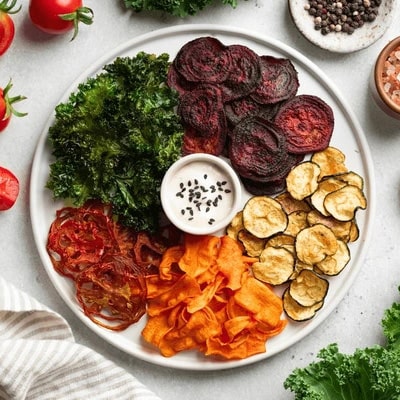
Dried Vegetables
View Products
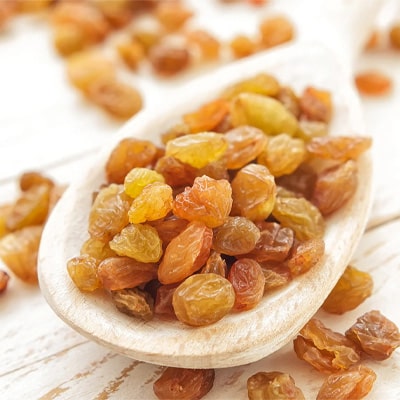
Raisin
View Products
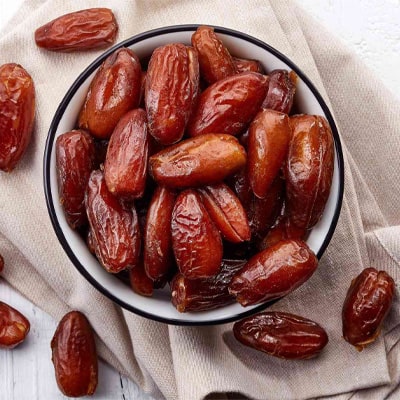
Dates
View Products
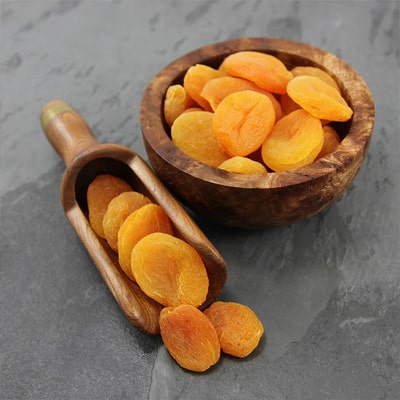
Dried Apricot
View Products
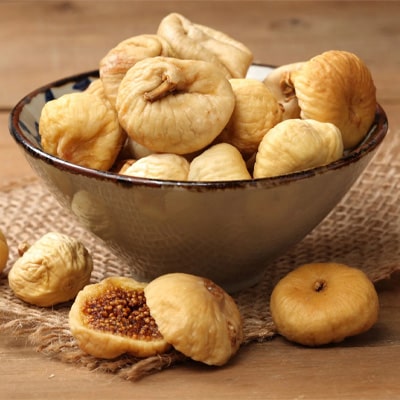
Figs
View Products

Saffron
View Products
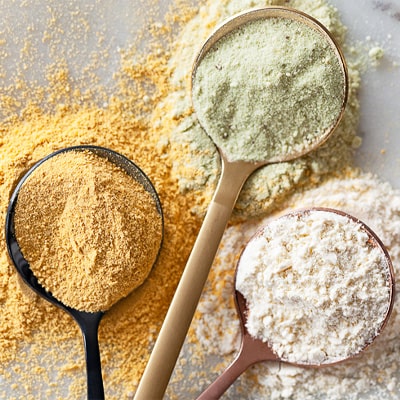
Powders
View Products
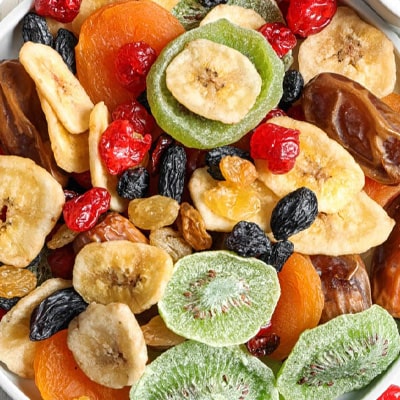
Dried Fruits
View Products
View Products
View Products
View Products
View Products
View Products
View Products
View Products
View Products
View Products
View Products
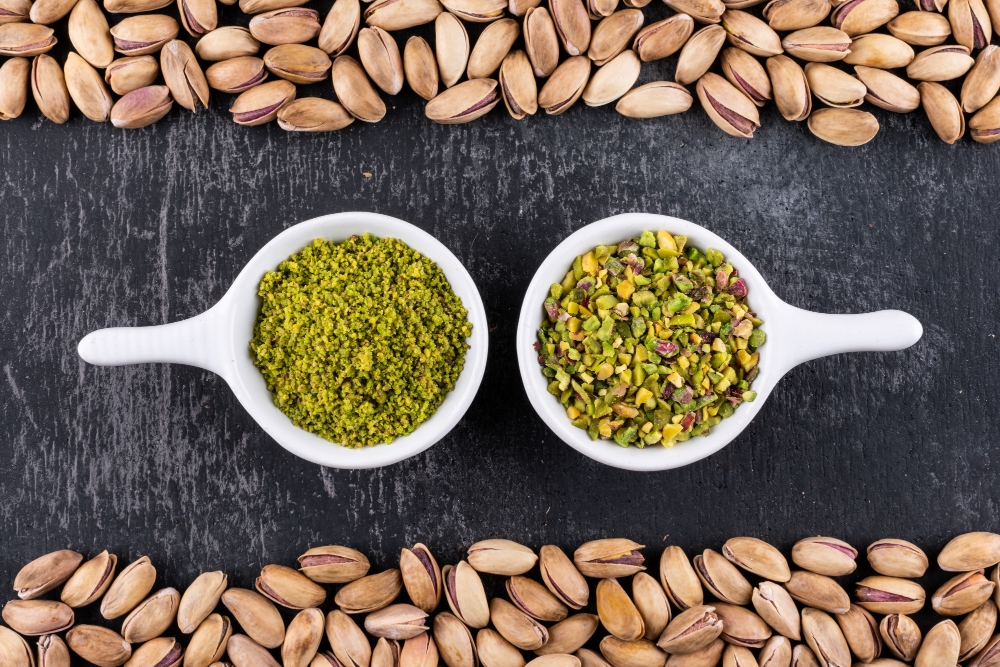
Iranian pistachios, especially Ahmad Aghaei and Fandoghi, have a higher kernel-to-shell ratio, providing more usable product and less waste.
Sun-drying preserves the natural oils, giving Iranian pistachios a richer, buttery taste compared to the mechanically dried American ones.
Iran offers diverse types—Akbari, Ahmad Aghaei, Kalleh Ghouchi, Fandoghi—suiting different market segments and consumer preferences.
Lower labor and production costs allow Iran to offer premium quality at better prices, even under trade restrictions.
Modern Iranian exporters use advanced sorting, packaging, and aflatoxin control to meet global export standards.
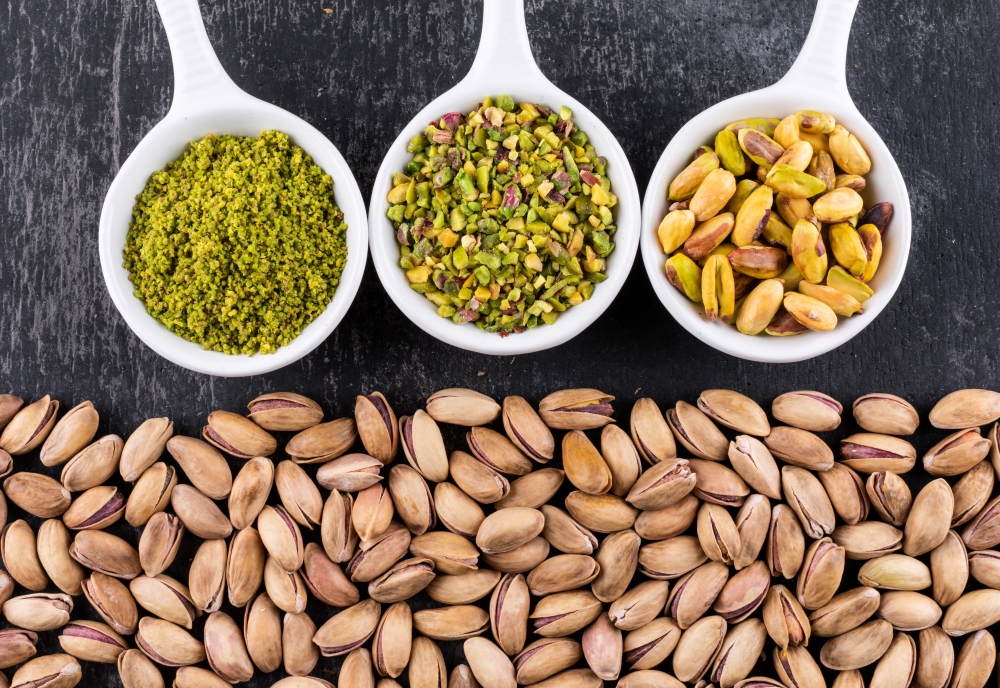
What if your pistachio supplier determined not just taste, but also yield, profitability, and customer loyalty? This isn't hypothetical—it’s the reality for buyers choosing between Iranian, American, and Turkish pistachios. While the U.S. and Turkey are leading producers, Iran consistently delivers unmatched advantages in quality, value, and market adaptability. This article offers a concise, data-backed comparison that reveals why Iranian pistachios are the smarter choice for global buyers and importers.
The kernel-to-shell ratio is a key metric that impacts both pricing and consumption efficiency. Iranian pistachios, particularly cultivars like Ahmad Aghaei and Fandoghi, deliver a higher edible yield per kilogram. This means buyers get more usable product, reducing waste and increasing value in bulk transactions.
In contrast, American pistachios tend to have thicker shells and slightly lower kernel content. Turkish varieties, though flavorful, often fall short in size and weight consistency. For large-scale buyers, this translates into measurable differences in profitability and customer satisfaction.
our products:
| Ahmad Aghaei pistachio |
| Kalle-ghouchi (Jumbo) Pistachio |
| Pistachios Akbari |
Iranian pistachios are naturally sun-dried, a method that preserves oil content and enhances the nut’s rich, buttery flavor. This contrasts with the mechanical drying methods commonly used in the U.S., which can result in a drier, less aromatic nut.
Turkish Antep pistachios are prized for their sweet profile but are smaller and typically more expensive. Iranian pistachios strike a balance—offering both bold flavor and better size, making them more versatile for roasting, baking, and direct consumption.
Iran offers a broad range of pistachio cultivars such as Akbari, Ahmad Aghaei, Kalleh Ghouchi, and Fandoghi. Each meets different consumer demands, from large, elongated kernels for premium retail to smaller, high-yield types ideal for confectionery.
This diversity gives exporters flexibility to target multiple global markets with tailored offerings. American and Turkish producers, by contrast, focus on fewer cultivars with less variability in shape and size.
Iranian pistachios remain price-competitive even under sanctions and export barriers. Due to lower labor costs and traditional farming practices, Iranian exporters can offer favorable pricing structures without sacrificing quality.
Turkish pistachios often come with a premium tag, especially in niche markets like Europe. U.S. pistachios, while abundant, are affected by higher labor and processing costs and limited by tariff disputes in some regions.
Modern Iranian exporters have invested in advanced sorting, packaging, and aflatoxin control. These steps meet the phytosanitary and quality standards required in Europe, China, and the MENA region. Iranian pistachios now lead global exports of kernels, while the U.S. dominates in-shell exports. This shows a strategic strength in value-added processing.
Final Thoughts
For businesses comparing pistachio sources, Iran stands out as a resilient and strategic choice. The combination of flavor, yield, pricing, and cultivar range gives Iranian pistachios a long-term advantage in both commodity and specialty markets.
Looking to source premium pistachios at competitive prices? Explore Iranian options tailored to your market segment today
They offer a higher kernel-to-shell ratio, richer flavor from sun-drying, diverse cultivars, and lower pricing.
Yes, they undergo rigorous aflatoxin testing and meet EU, Chinese, and international standards.
Smaller production volumes and niche demand for Antep flavor contribute to higher pricing.
4. Do sanctions affect Iranian pistachio availability?
While they impact logistics, many exporters use third-party channels to maintain global presence.