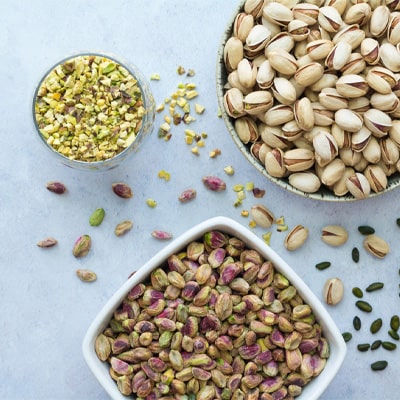
Pistachio
View Products

Frozen Drieds
View Products

Dried Vegetables
View Products

Raisin
View Products
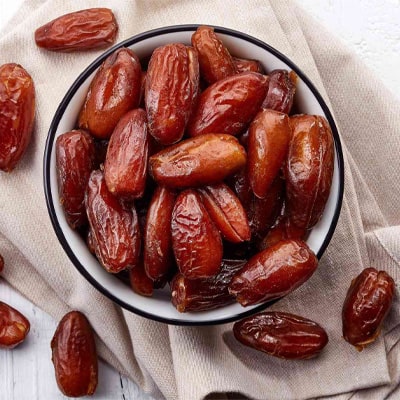
Dates
View Products

Dried Apricot
View Products
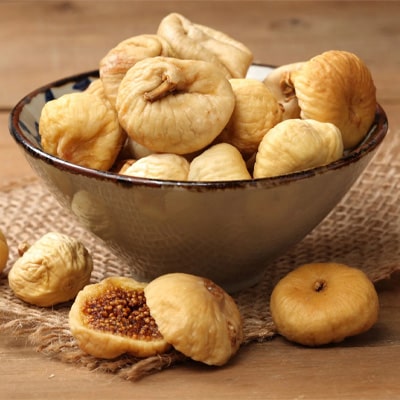
Figs
View Products

Saffron
View Products

Powders
View Products

Dried Fruits
View Products
View Products
View Products
View Products
View Products
View Products
View Products
View Products
View Products
View Products
View Products

India: The largest importer with stable, culturally driven demand for Mamra almonds.
Iraq and Gulf States: Nearby markets offering low transport costs and strong traditional trade ties.
Turkey and the EU: Strategic routes with high profit margins but strict quality and certification standards.
Russia and China: Emerging markets with growing demand, requiring adaptation to local regulations.

Iran’s almond industry has grown into a competitive force in the global nut trade. Exporters face a key question that shapes their strategy: where are the most profitable and stable markets for Iranian almonds? This article explores the leading destinations, trade trends, and opportunities that give exporters a competitive edge.
| Country | Market Strength | Main Opportunity |
|---|---|---|
| India | Very High | Mamra almond demand |
| UAE | High | Re-export hub |
| Germany | Medium-High | Premium organic market |
| Russia | Growing | Alternative suppliers |
| China | Growing | Expanding nut consumption |
Iran ranks among the top almond-producing nations, known for premium varieties such as Mamra and Shahroodi. These cultivars are prized for their taste, oil content, and natural growth methods. According to international trade statistics, demand for Iranian almonds is increasing steadily in neighboring and emerging markets due to competitive pricing and growing consumer interest in natural snacks.
Iran exports both shelled and kernel almonds under HS code 080212. Over recent years, total almond export volumes have shown consistent growth, driven by improved logistics and expanded trade agreements. While traditional buyers continue to dominate, new markets are emerging that offer significant growth potential for exporters seeking diversification.
India remains the largest importer of Iranian almonds. Its population’s preference for Mamra almonds, often used in festivals and daily diets, creates a strong and reliable demand base. Trade links between Iran and India are well established, with short transit times and competitive shipping costs. For exporters, India offers both volume and cultural alignment, making it a natural first choice.
Iraq and Gulf Cooperation Council states, including the UAE, have become major destinations for Iranian almonds. Their proximity reduces transportation expenses, allowing for competitive pricing. These markets favor bulk imports for re-export, distribution, and processing. Strong historical trade relationships give Iranian exporters a logistical and commercial advantage.
Turkey serves as both a direct consumer and a strategic transit hub for almonds heading to Europe. European Union countries, particularly Germany, have shown rising interest in almond imports from Iran. While EU markets involve stricter quality and certification standards, the high price margins often justify the compliance investment for serious exporters.
Recent shifts in global trade flows have opened new opportunities in Russia and China. As these markets diversify their suppliers, Iranian almonds have gained traction due to competitive pricing and unique flavor profiles. Exporters entering these markets need to focus on building distribution partnerships and meeting specific regulatory requirements.
Iran remains one of the leading almond producers in the Middle East, exporting premium varieties such as Mamra and Shahroodi almonds to Asia, the Gulf region, and Europe. In 2026, demand for Iranian almonds continues to grow because of their natural cultivation, rich flavor, and competitive pricing.
| Country | Main Opportunity |
|---|---|
| India | High demand for Mamra almonds |
| UAE | Re-export and wholesale trade |
| Iraq | Low transport costs |
| Turkey | Access to European markets |
| Germany | Premium natural almond market |
| China | Growing healthy snack demand |
Iranian almond exports mainly include:
Exporters are increasingly using ISO standards, HACCP certification, and export-grade packaging to remain competitive in global markets.
India is the largest buyer of Iranian Mamra almonds because of strong cultural demand and consumer preference for premium almonds.
Indian buyers prefer Iranian Mamra almonds because they offer:
| Feature | Iranian Mamra Almonds | California Almonds |
|---|---|---|
| Oil Content | Higher | Lower |
| Flavor | Rich and sweet | Mild |
| Market Position | Premium | Mass-market |
Mamra almonds are widely used in Indian sweets, gift boxes, traditional medicine, and premium dry fruit mixes. Strong trade relations and shorter shipping routes also make India one of the most stable export markets for Iranian almond suppliers.
| Almond Variety | Main Feature | Best Market |
|---|---|---|
| Mamra Almond | High oil content | India, Gulf |
| Shahroodi Almond | Large size | Europe |
| Shelled Almond | Industrial use | China |
| Almond Kernel | Food processing | Global |
Exporters must navigate various challenges including currency fluctuations, shifting regulations, and quality control. Aligning with international standards such as ISO and HACCP helps maintain access to high-value markets. Developing flexible shipping strategies and securing reliable payment methods also strengthens long-term trade stability.
India is the top importer thanks to its cultural demand for Mamra almonds and long-standing trade connections with Iran.
Yes. EU markets, especially Germany, offer strong price margins, but they require strict compliance with phytosanitary and quality standards.
Russia and China are growing rapidly as alternative destinations, creating new opportunities for exporters willing to adapt to their regulations.