
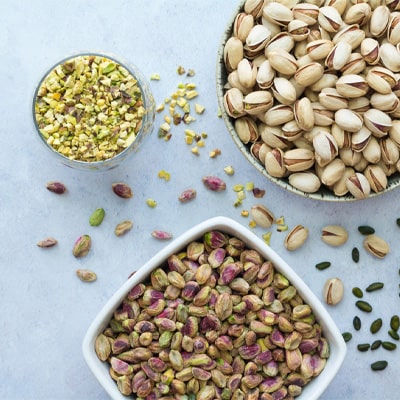
Pistachio
View Products

Frozen Drieds
View Products

Dried Vegetables
View Products

Raisin
View Products
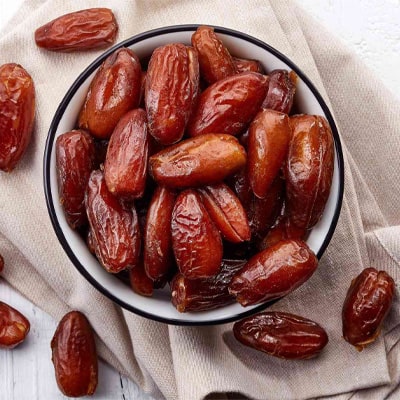
Dates
View Products

Dried Apricot
View Products

Figs
View Products

Saffron
View Products

Powders
View Products
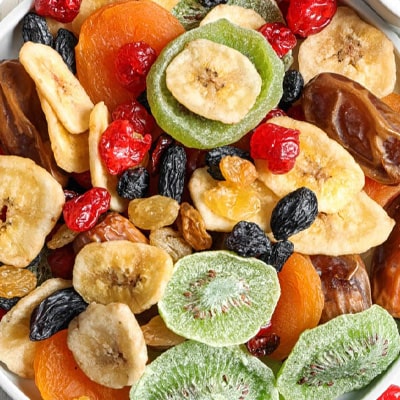
Dried Fruits
View Products
View Products
View Products
View Products
View Products
View Products
View Products
View Products
View Products
View Products
View Products
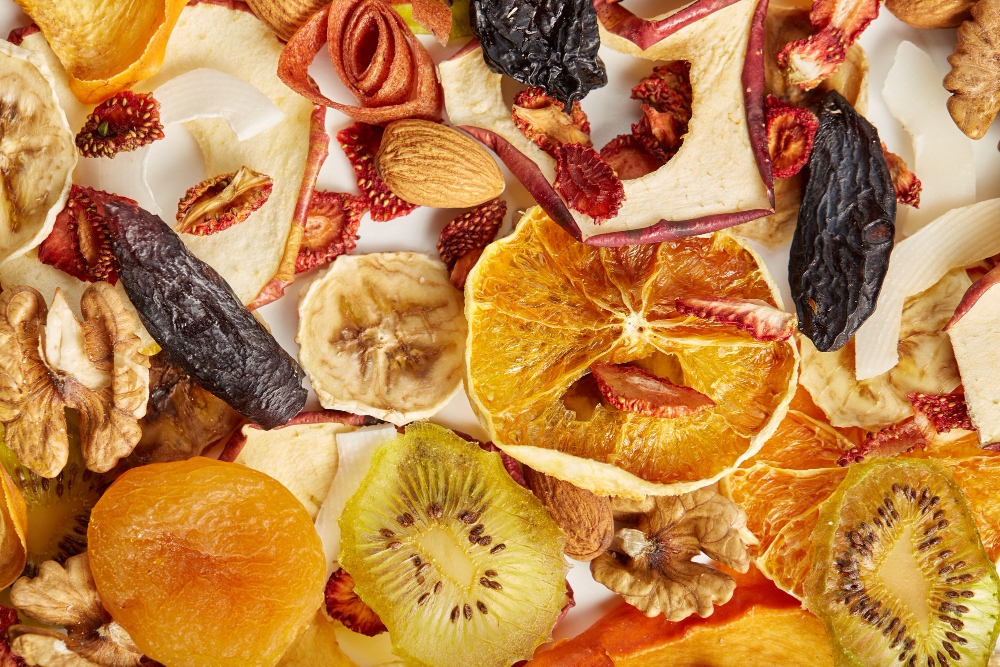

The global dried fruit market continues to expand, shaped by climate shifts, logistics challenges, and consumer trends that influence pricing worldwide.
This article examines the current global price of dried fruits, explains what drives these fluctuations, and offers insights for importers and bulk buyers navigating a competitive marketplace.
Global demand for dried fruits has surged due to their long shelf life and use in health-conscious diets. According to recent industry analyses, the global market is valued at over USD 10 billion in 2025, with steady growth projected through 2030.
Key exporters such as Turkey, the United States, Iran, and South Africa dominate supply chains for raisins, dates, Dried apricots, and Dried Figs.
While consumer demand grows, several factors are pressuring prices upward. Rising energy costs, freight disruptions, and variable crop yields from climate patterns are increasing production costs.
This has caused an average 10 to 15 percent rise in wholesale prices for common dried fruits over the past year.
Raisin prices in Turkey currently average around USD 2.3 per kg, while U.S. prices remain slightly higher due to labor costs and export logistics.
Dried apricots from Turkey and Iran trade between USD 3 and 4 per kg, depending on size and grade. Dates from the Middle East range from USD 1.8 to 2.5 per kg for bulk orders, while figs command premium rates up to USD 5 per kg for top-quality varieties.
Price variations largely depend on moisture content, organic certification, and packaging. Premium grades certified organic or hand-sorted for export can exceed these averages by 20 percent or more.
Several core variables determine the global price of dried fruits:
Irregular rainfall and heatwaves in producing countries significantly reduce yields, especially in Mediterranean regions. Poor harvests often create sudden price spikes.
Shipping expenses remain a dominant influence. When freight rates increase, export prices can climb even if production costs remain stable.
Because most trade occurs in USD, fluctuations in local currencies impact exporter margins and final prices.
Organic certification, sustainable sourcing, and modern packaging add cost but increase appeal for Western markets.
Demand for natural snacks and clean-label foods is pushing buyers toward premium organic categories, reinforcing higher price brackets.
Analysts expect prices to remain moderately high through 2025, stabilizing as production normalizes in Turkey and Iran. However, continued logistics costs and global inflation are likely to prevent prices from returning to pre-2022 levels.
Market forecasts project a compound annual growth rate of about 8 percent, with total market value potentially reaching USD 16 billion by 2030.
For importers, the optimal approach is diversification—sourcing from multiple regions to reduce exposure to local disruptions.
1. Monitor seasonal harvest cycles to time purchases during post-harvest supply peaks when prices ease.
2. Evaluate long-term contracts that lock in pricing and protect against exchange rate swings.
3. Compare regional freight options to identify savings on total landed cost rather than unit price alone.
4. Verify certification and quality documents before purchase to ensure price alignment with grade.
Apricots and raisins show the highest volatility because their yields depend heavily on seasonal weather.
Prices fluctuate quarterly, with notable adjustments after harvest seasons and during major freight rate shifts.
Diversifying suppliers, negotiating fixed-term contracts, and monitoring exchange rates are key strategies for stability.





We import dates in large volumes. With prices between $1.8–2.5/kg, would long-term contracts help stabilize costs through 2026?
Hello Ahmed, yes. Fixed-term agreements can reduce exposure to short-term volatility and provide more predictable pricing structures.