
Pistachio
View Products
Frozen Drieds
View Products
Dried Vegetables
View Products
Raisin
View Products
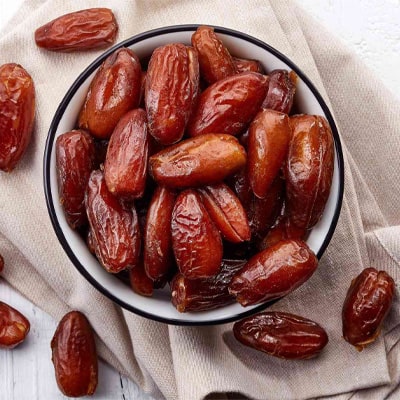
Dates
View Products
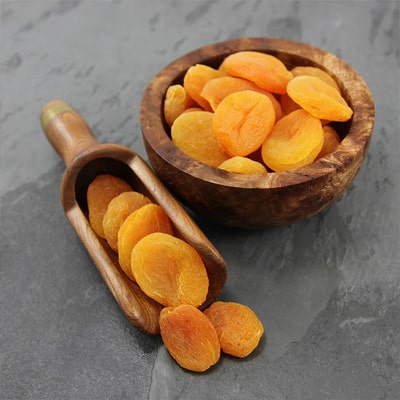
Dried Apricot
View Products
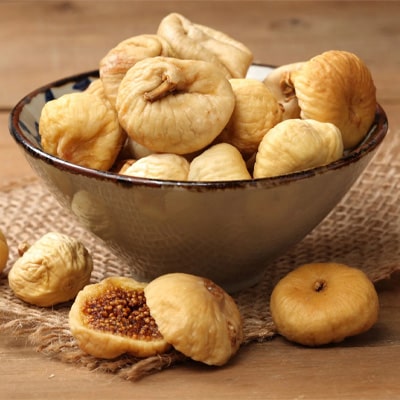
Figs
View Products

Saffron
View Products
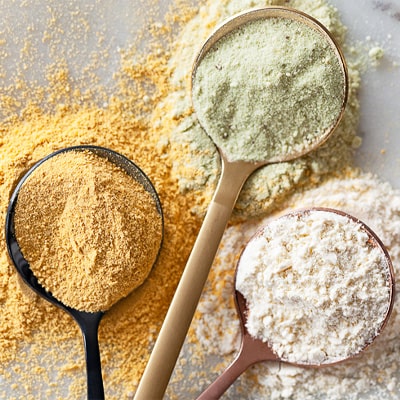
Powders
View Products
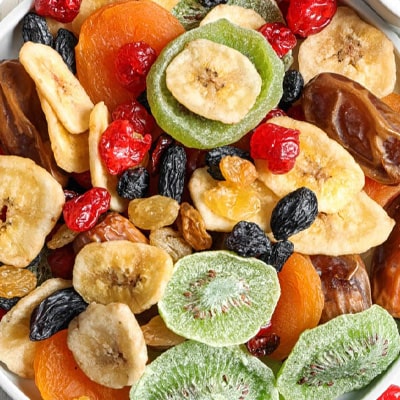
Dried Fruits
View Products
View Products
View Products
View Products
View Products
View Products
View Products
View Products
View Products
View Products
View Products

Global saffron trade reveals an interesting paradox: only a handful of countries produce most of the world's saffron, yet demand is spread across continents. This guide ranks the top 10 saffron-importing countries in 2026, with price ranges and what each market prefers, so exporters can identify where to focus.
Looking for where saffron is actually grown or which countries export it? See our separate guides: Top Saffron Growing & Producing Countries and Top Saffron Exporting Countries.
| Rank | Country | Price Range (USD/kg) | Preferred Grade |
|---|---|---|---|
| 1 | Spain | $2,000 – $4,500 | Negin |
| 2 | India | $1,800 – $3,500 | Sargol, Pushal |
| 3 | Italy | $2,500 – $5,000 | Negin |
| 4 | Saudi Arabia | $2,000 – $4,000 | Premium grades |
| 5 | United States | $2,500 – $5,000 | Organic, Negin |
| 6 | China | $2,000 – $4,200 | Pharmaceutical-grade |
| 7 | France | $3,000 – $5,000 | Negin, Super Negin |
| 8 | Germany | $2,200 – $4,500 | Certified/organic |
| 9 | United Arab Emirates | $2,200 – $4,300 | Premium & gift packs |
| 10 | Sweden | $2,500 – $4,800 | Negin |
Saffron, derived from Crocus sativus, remains one of the most expensive agricultural products, with average global prices ranging between $1,500 and $5,000 per kg depending on grade. Global saffron imports are estimated at over $200 million annually according to international trade databases such as ITC Trade Map, with steady growth driven by the food, pharmaceutical, and cosmetics industries.
Three main saffron grades dominate international trade:
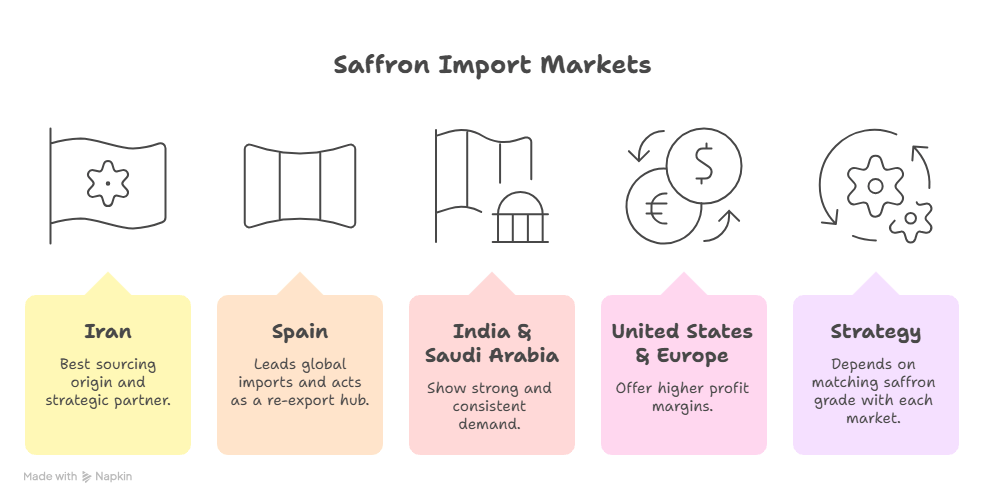
Spain remains the largest importer, accounting for roughly 20–25% of global imports. Rather than consuming most of it domestically, Spain acts as a processing and re-export hub, repackaging saffron under Spanish branding for distribution across the EU.
India imports large volumes despite having its own Kashmiri saffron production, because domestic supply cannot meet demand from its food and traditional medicine (Ayurveda) sectors.
Italy shows consistent demand for high-end saffron, driven largely by its use in traditional dishes like risotto alla Milanese and a strong gourmet food culture.
Saffron is deeply embedded in Saudi culinary and cultural traditions, from saffron-infused coffee (qahwa) to traditional gifting customs, driving consistent premium demand.
The US market is growing rapidly, not only in food but in the health supplement and wellness sector, where saffron extract is marketed for mood and appetite support.
China's demand is rising largely due to saffron's role in Traditional Chinese Medicine (TCM), where it's used in formulations targeting circulation and women's health.
France imports smaller volumes than larger markets like Spain or Italy, but at consistently higher prices, driven by its luxury culinary and perfumery sectors that prize traceable, premium-grade saffron.
Germany reflects broader EU demand expansion, but stands out for strict emphasis on certified and traceable sourcing, driven by EU food safety regulations and a health-conscious consumer base.
The UAE combines strong domestic culinary use with a significant gifting and hospitality market (luxury hotels, high-end retail), driving demand for premium, well-packaged saffron.
Sweden represents a smaller but consistent market, with demand peaking seasonally around Lucia celebrations in December, when saffron buns (lussebullar) are a national tradition.
Not all importing countries offer equal opportunity. Some markets prioritize volume, while others focus on premium pricing.
Key factors to evaluate:
For example, exporting Negin saffron to France or Italy can yield higher margins per kilogram, while Pushal saffron suits price-sensitive, high-volume markets like India.
If your goal is higher margins, focus on premium markets in Western Europe and the United States. If volume matters more, India and emerging Asian markets provide scale. Spain remains essential due to its re-export network, making it a strategic entry point into the broader EU market.
The key is aligning your saffron grade with the right market's demand profile. It sounds simple, but many exporters lose margin by ignoring this match — sending premium Negin to a price-sensitive market, or bulk Pushal to a luxury retailer expecting top-tier presentation.
Sourcing directly from Iran, the origin of over 90% of the world's saffron supply? See current wholesale prices by grade for Pushal, Sargol, and Super Negin.
Spain ranks first globally, both as a direct importer and as the largest re-exporter, redistributing saffron across the European Union.
India, Saudi Arabia, the United States, and major European countries such as Italy, France, and Germany show the strongest and most consistent demand.
Sargol saffron is best sourced directly from Iranian exporters, who produce the majority of the world's supply and offer ISO 3632-certified grading. Always request lab test results (crocin, safranal, picrocrocin levels) and a certificate of origin before purchasing in bulk.
Spain, India, Italy, and the United States are among the largest buyers in global saffron trade, though each market has a different grade preference and use case.



We are planning to enter the saffron trade in Europe. Which of these importing countries offers the most stable long-term demand beyond price fluctuations?
European markets like Germany, France, and Italy show the most stable long-term demand due to regulated import systems and consistent consumption in food and pharmaceutical sectors.
What is the current FOB price range for Pushal saffron for bulk orders above 10 kg, and does pricing change significantly based on seasonality?
Pushal saffron pricing typically ranges between $900 to $1,400 per kg depending on harvest timing and moisture level. Seasonal fluctuations exist but bulk contracts help stabilize pricing.
We distribute premium saffron to gourmet retailers in Italy, and demand for high-quality Negin saffron has remained very strong despite price increases. Customers are willing to pay more for consistent color and aroma.
Thank you, Antonio. Premium European markets usually prioritize consistency, presentation, and strong coloring strength over low pricing.