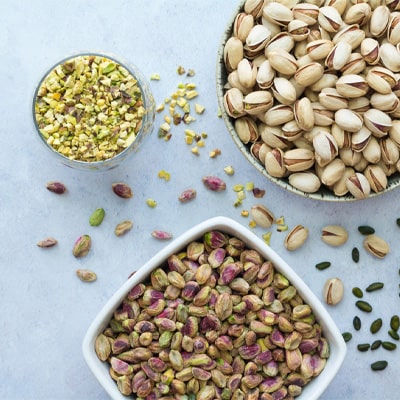
Pistachio
View Products

Frozen Drieds
View Products

Dried Vegetables
View Products
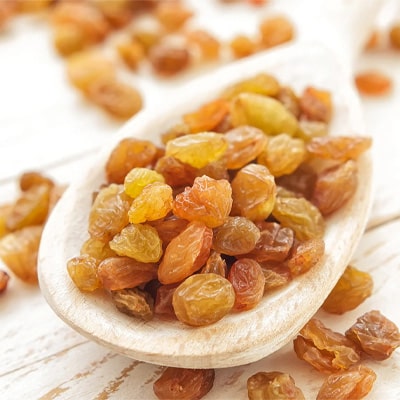
Raisin
View Products
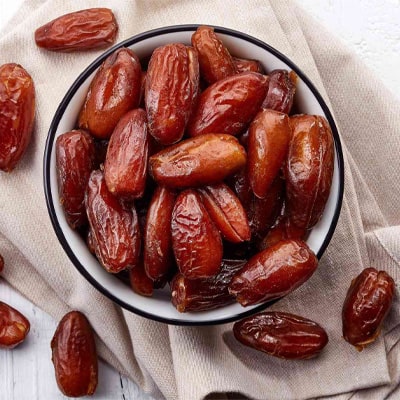
Dates
View Products
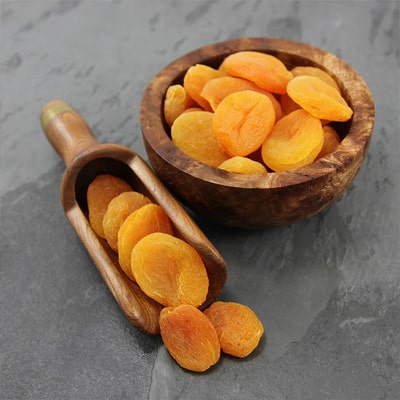
Dried Apricot
View Products
Figs
View Products

Saffron
View Products

Powders
View Products
Dried Fruits
View Products
View Products
View Products
View Products
View Products
View Products
View Products
View Products
View Products
View Products
View Products

Dried plums have become a highly traded commodity in international markets due to their long shelf life and nutritional benefits. Traders, exporters, and importers closely monitor their prices to make informed business decisions. Understanding global price trends helps bulk buyers and sellers identify profitable opportunities and avoid market risks.
Several countries dominate dried plum production, with the United States, Turkey, China, Iran, and South Africa among the top exporters. The US, particularly California, produces high-quality prunes that are in strong demand across Europe and Asia. Turkey exports Greengage and Damson varieties, while China focuses on regional varieties for both domestic consumption and international trade. Each country’s production volume, climate, and processing methods influence global pricing significantly.
The global dried plum market exhibits varied pricing based on quality, variety, and region. For instance, prices in the European Union range from 5 to 10 USD per kilogram for bulk imports depending on quality and certification. In the US, premium dried plums can reach up to 12 USD per kilogram. Emerging markets in Southeast Asia show prices between 6 and 9 USD per kilogram, reflecting strong demand but limited local supply. Seasonal fluctuations also affect prices, with higher rates during off-peak harvest periods.
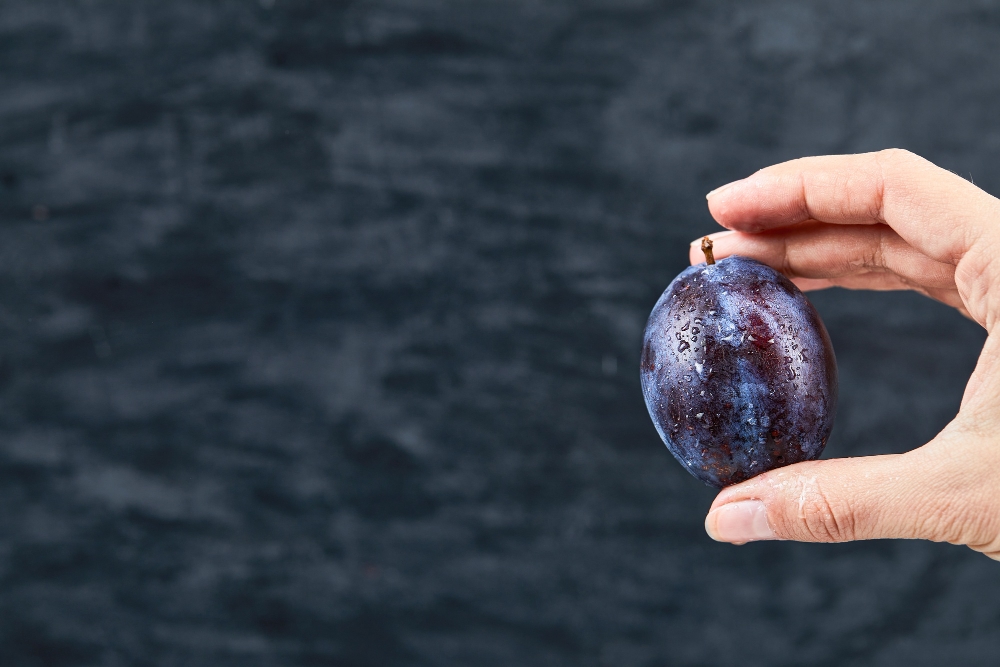
Multiple elements determine dried plum prices globally. The variety of plum, such as Greengage, Damson, or Prune, plays a significant role, as certain types are preferred in specific markets. Processing quality, moisture content, and packaging also impact the price. Certifications for safety and export standards, like ISO and HACCP, can increase product value. Additionally, logistics, shipping costs, and local import duties affect final pricing in different countries.
Major importing countries include Germany, the United Kingdom, Japan, and Canada. These markets seek premium-quality dried plums, and prices are influenced by consumer preference and seasonal availability. In addition, emerging markets in the Middle East and Southeast Asia offer growth potential. Exporters can explore these regions for high-margin opportunities while adapting their products to local tastes and regulations.
The dried plum market generates substantial revenue for exporting nations, contributing to trade balance and agricultural growth. Monitoring price trends helps exporters optimize margins and plan bulk shipments efficiently. By analyzing demand, seasonal supply, and regional pricing differences, traders can forecast potential profits and identify lucrative markets.
Proper storage, transportation, and handling are critical for maintaining quality and market value. Exporters must comply with regulatory standards, including import certifications and phytosanitary requirements. Ensuring timely delivery and quality control directly influences pricing and market reputation.
Prices typically range from 5 to 12 USD per kilogram depending on quality, variety, and region.
Germany, the United Kingdom, Japan, and Canada are among the top importing countries.
Premium varieties with higher moisture content and certified processing fetch higher prices in competitive markets.