Pistachio
View Products
Frozen Drieds
View Products
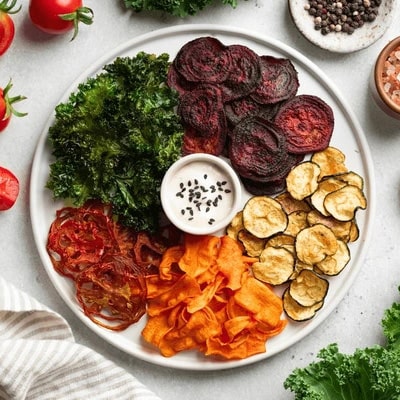
Dried Vegetables
View Products
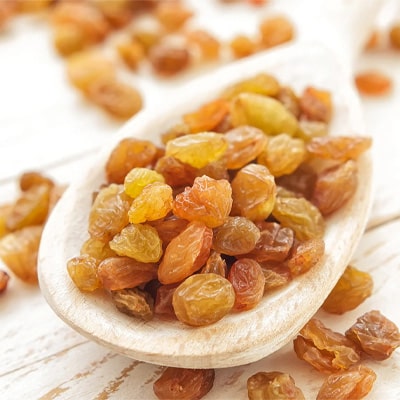
Raisin
View Products
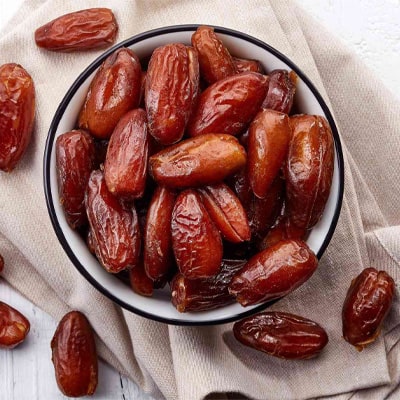
Dates
View Products
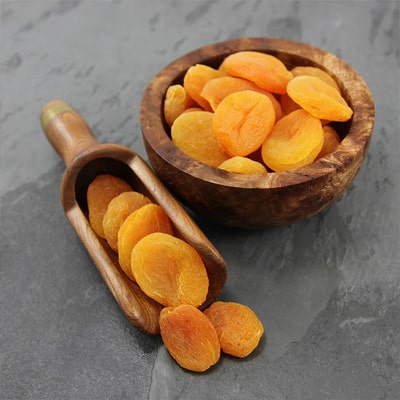
Dried Apricot
View Products
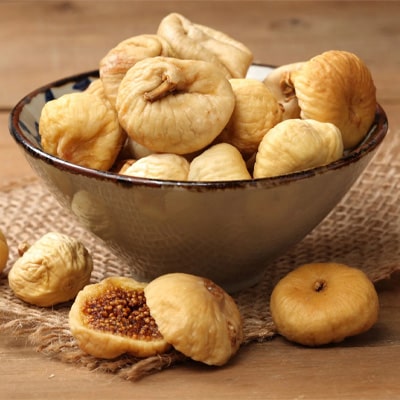
Figs
View Products

Saffron
View Products
Powders
View Products
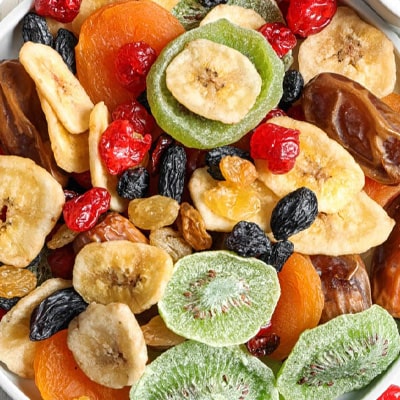
Dried Fruits
View Products
View Products
View Products
View Products
View Products
View Products
View Products
View Products
View Products
View Products
View Products

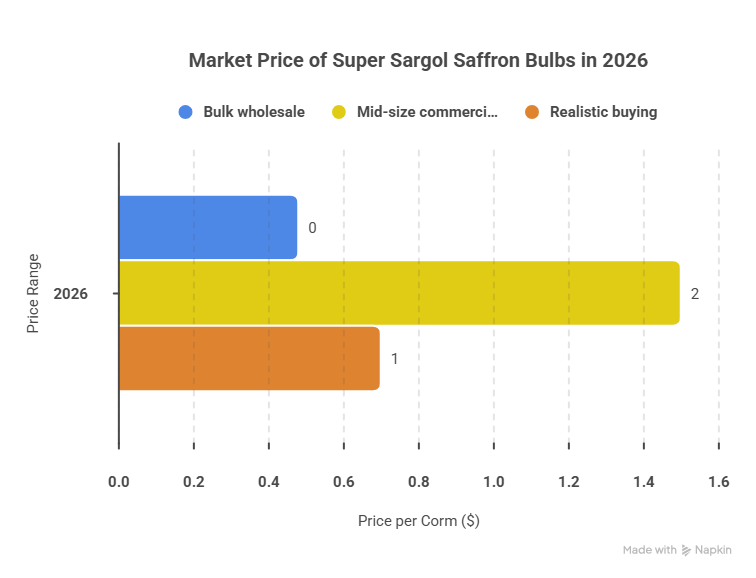
Bulk wholesale price (verified suppliers)
$0.48 – $1.50 per corm
Mid-size commercial orders
$1.50 – $2.30 per corm
Prices below $1 per corm
Usually indicate lower quality or unverified stock
Price influencers in 2026
Corm size, health certification, harvest year, and export readiness
Realistic buying range for professional importers
$0.70 – $1.80 per corm
| Specification | Super Sargol Grade |
|---|---|
| Botanical name | Crocus sativus |
| Planting material | Corm |
| Average corm weight | 10–15 grams |
| Flowering potential | High (first season) |
| Dormancy status | Fully matured |
| Recommended use | Commercial cultivation |
| Shelf life (stored) | Up to 6 months |
Saffron is one of the few agricultural products where planting material quality directly determines commercial success, especially for buyers already familiar with premium saffron categories such as Negin saffron, where consistency and grading directly affect export value. Super Sargol saffron bulbs for sale attract professional buyers because they promise higher flowering potential, uniform growth, and predictable yields.
This article explains what Super Sargol saffron bulbs really are, how to evaluate their quality, and what matters most when purchasing them for large-scale cultivation or international trade, particularly for buyers researching sargol saffron where to buy from reliable and traceable suppliers.
Despite common usage, saffron grows from corms, not true bulbs. Super Sargol refers to a premium grading typically associated with larger corm diameter, higher stored energy, and stronger flowering capacity, similar to how grading distinctions define market positioning between saffron types such as Pushal Saffron.
Academic agronomy studies show that saffron corms above 10 grams can produce up to three times more flowers in the first season compared to smaller planting material, a factor that directly influences profitability in regions identified in analyses like Most Profitable Export Markets for Iranian Saffron.
For buyers sourcing Super Sargol saffron bulbs for sale, size uniformity and physiological maturity matter more than visual appearance alone, especially when planning production volumes aligned with export-oriented supply chains rather than diversified product portfolios such as dates.
Mature corms with intact basal plates and no fungal lesions offer the highest survival and flowering rates, which becomes critical for suppliers serving international destinations with strict quality expectations similar to those discussed in Leading Export Markets for Iranian Dates.
Quality assessment becomes critical when purchasing saffron corms at scale. Professional buyers focus on measurable criteria rather than marketing terms.
Corms should fall within a narrow weight range. Uniform size leads to synchronized flowering, which reduces labor costs during harvest.
Healthy saffron corms must be free from Fusarium rot and nematode damage. In large consignments, even a small infection rate can spread rapidly after planting.
Corms harvested too early may lack sufficient carbohydrate reserves. Proper dormancy ensures strong root and shoot initiation after planting.
Most buyers searching for Super Sargol saffron bulbs for sale operate in the consideration to decision stage. At this point, logistics and compliance influence the final choice as much as price.
International trade requires phytosanitary certification, origin documentation, and temperature-controlled transport in some climates. Data from global saffron-producing regions indicate that improperly stored corms can lose up to 20 percent of their flowering potential before reaching the destination market.
Bulk buyers also evaluate suppliers based on traceability, harvest year transparency, and post-harvest handling standards. These factors reduce risk, especially when planting costs are high.
Under optimal conditions, premium saffron corms begin flowering in the first autumn after planting. Yield performance depends on soil drainage, planting depth, and climate stability.
Well-managed fields planted with large-grade corms often show increasing productivity over a three to four year cycle, making initial quality selection decisive.
It usually indicates large, mature saffron corms with higher flowering capacity, suitable for commercial cultivation rather than hobby planting.
In trade language they are used interchangeably, but botanically saffron grows from corms. Understanding this helps buyers assess quality correctly.
For commercial growers, bulk purchasing reduces unit cost and ensures uniform planting material, which improves yield consistency.
Under controlled temperature and ventilation, saffron corms can be stored for several months without losing viability, though earlier planting often gives better results.