
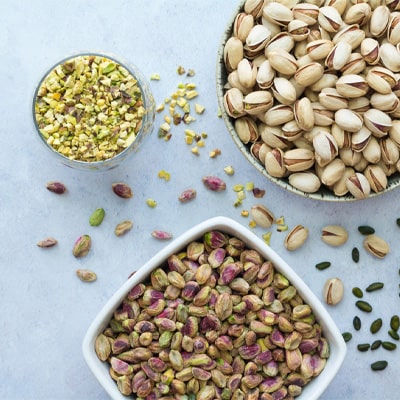
Pistachio
View Products

Frozen Drieds
View Products

Dried Vegetables
View Products
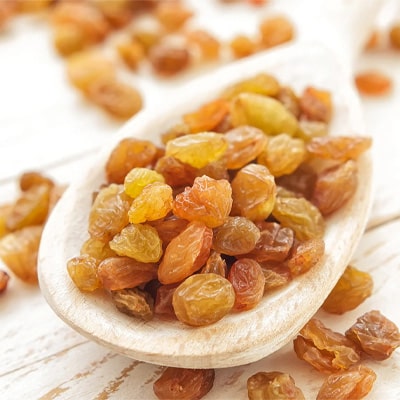
Raisin
View Products
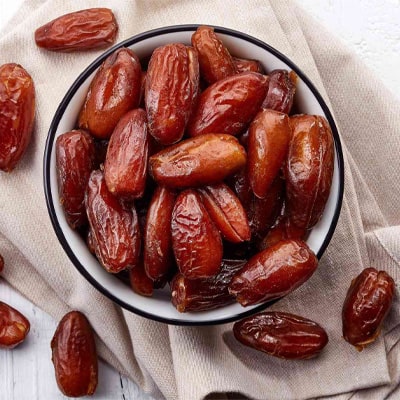
Dates
View Products
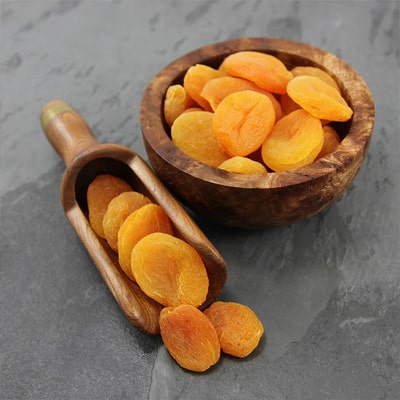
Dried Apricot
View Products
Figs
View Products

Saffron
View Products

Powders
View Products
Dried Fruits
View Products
View Products
View Products
View Products
View Products
View Products
View Products
View Products
View Products
View Products
View Products
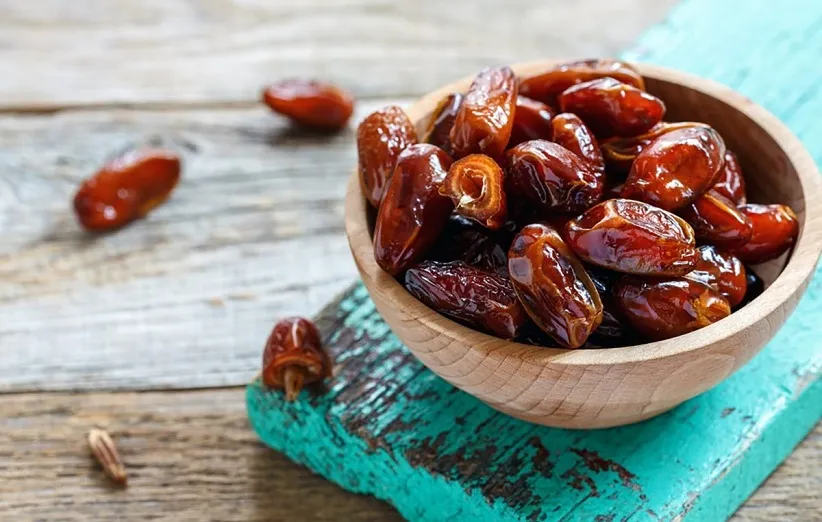
Iran is among the world’s largest date producers, but export success is determined after harvest, not in the orchard. For international buyers, the real differentiator is how dates are processed, stabilized, and prepared for long-distance trade. Processing technologies in Iranian date production directly influence food safety, shelf life, contract reliability, and import approval across different Iranian date varieties.
For bulk buyers and importers, understanding these technologies helps reduce risk, control costs, and secure consistent supply, especially when targeting established destinations highlighted in leading export markets for Iranian dates.
Dates are highly sensitive to moisture fluctuations, pests, and microbial growth. Without structured post-harvest processing, even high-grade varieties face rapid quality decline during storage and transit, a key factor that separates standard shipments from the highest-priced Iranian dates in international trade.
Export-oriented Iranian producers now rely on industrial processing systems to convert raw harvests into export-ready commodities suitable for container shipments and long-term distribution, particularly for premium varieties such as Mazafati dates.
For buyers, this shift translates into predictable quality, fewer claims, and smoother customs clearance, which is especially critical when negotiating Mazafati dates export prices on a contract basis.
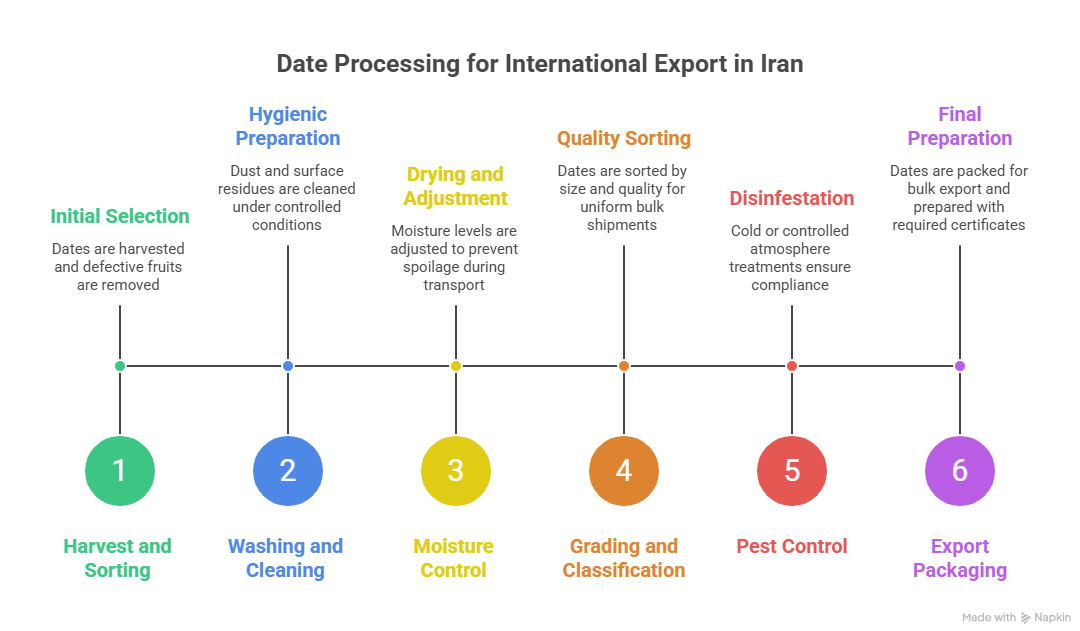
Processing begins immediately after harvest. Dates are transferred to facilities where damaged fruits, immature dates, and foreign materials are removed. This step is particularly important for varieties like Rabbi dates that are commonly shipped in bulk formats.
Mechanical sorting systems combined with manual inspection improve accuracy and reduce defect rates before further processing, supporting price stability in markets discussed in Rabbi dates pricing for India and Pakistan.
Controlled washing systems remove dust and surface residues while limiting water absorption. Air-drying tunnels follow washing to stabilize the surface, a critical requirement for semi-dry varieties such as Sayer dates.
Hygienic design at this stage supports compliance with international food safety expectations and reduces rejection risk for high-volume shipments.
Moisture content is a critical export parameter. Iranian processors use controlled drying chambers and conditioning rooms to stabilize moisture and prevent fermentation or mold growth, especially for dry varieties like Zahedi dates.
This step directly affects storage stability and shipment duration, particularly for sea freight routes with extended transit times.
Automated grading lines classify dates by size, color, and surface condition. Uniform grading allows suppliers to deliver batches that meet contract specifications, which is essential for consistent export performance of varieties such as Kalute dates.
Clear classification also enables suppliers to align quality tiers with different target markets and price points.
To meet import regulations, processors apply non-chemical disinfestation methods such as cold treatment and controlled atmosphere storage. These methods eliminate insect activity without altering taste or texture, a requirement increasingly enforced in high-value date export markets.
For buyers, this significantly reduces the risk of shipment rejection at destination ports.
Dates are packed in export-grade cartons, lined boxes, or bulk formats suitable for container loading. In some cases, modified atmosphere packaging is used to extend shelf life, particularly for premium Mazafati dates destined for distant markets.
Packaging selection is closely aligned with logistics conditions, climate exposure, and buyer specifications.
Quality control teams monitor moisture levels, physical integrity, and cleanliness throughout processing. Consistent monitoring ensures uniform output across large volumes and strengthens buyer confidence when sourcing from suppliers offering Iranian dates for long-term contracts.
This level of control directly supports traceability, repeat orders, and private-label opportunities.
| Processing Area | Risk for Importers | Buyer Impact |
|---|---|---|
| Moisture control | Mold growth during transit | Stable shelf life |
| Disinfestation | Insect contamination | Lower rejection risk |
| Automated grading | Inconsistent batches | Contract reliability |
| Hygienic washing | Microbial issues | Import compliance |
| Export packaging | Transit damage | Fewer claims |
Iranian date processing facilities range from semi-industrial units to fully automated export plants. Export-focused factories typically operate continuous processing lines designed for container-based shipments and repeat contracts, especially for high-value Iranian dates.
| Processing Level | Typical Output | Suitable Buyer |
|---|---|---|
| Traditional | Domestic-grade dates | Local markets |
| Semi-industrial | Regional export quality | Small importers |
| Fully industrial | Uniform export-grade dates | Global distributors |
Processing technologies directly affect pricing predictability and supply consistency. Well-processed dates experience fewer losses, lower rejection rates, and more stable quality across shipments, which is critical when negotiating bulk contracts for Sayer dates and similar varieties.
Reliable processing also enables private labeling, long-term contracts, and predictable replenishment cycles, helping buyers reduce total landed cost even when unit prices vary.
Dates go through sorting, washing, moisture control, grading, pest treatment, and export-ready packaging to meet international standards.
They reduce contamination risks, stabilize shelf life, and ensure uniform quality across large shipments.
Yes. Many facilities operate industrial-scale lines designed for container-based exports and long-term supply contracts.




We previously faced shipment rejection due to pest contamination from another origin. Your explanation of cold disinfestation is reassuring for GCC imports.
We understand the importance of compliance. Our non-chemical cold treatment protocols are designed to meet strict import regulations and minimize rejection risk.
We are sourcing bulk dates for EU retail distribution. What is your standard moisture control range for export-grade Iranian dates?
Export-grade Iranian dates are typically controlled between 18% to 24% moisture depending on variety to ensure shelf stability and compliance with international standards.