
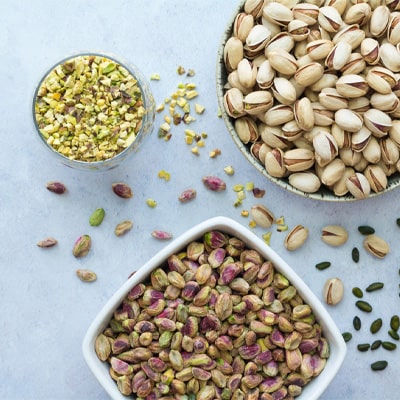
Pistachio
View Products
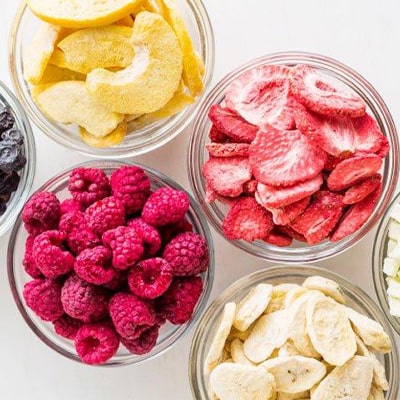
Frozen Drieds
View Products
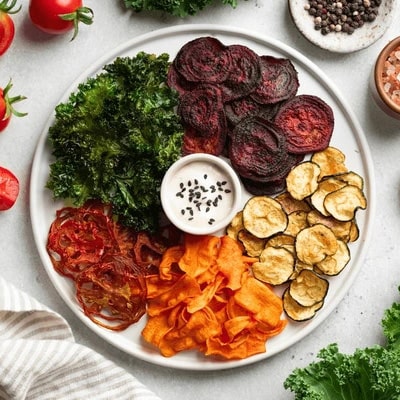
Dried Vegetables
View Products
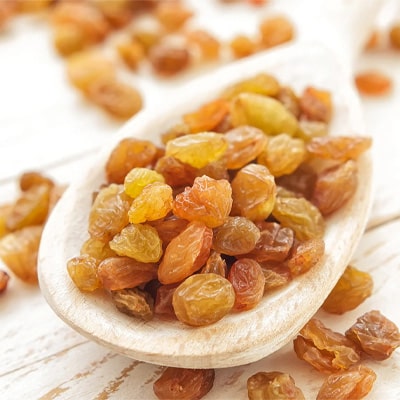
Raisin
View Products
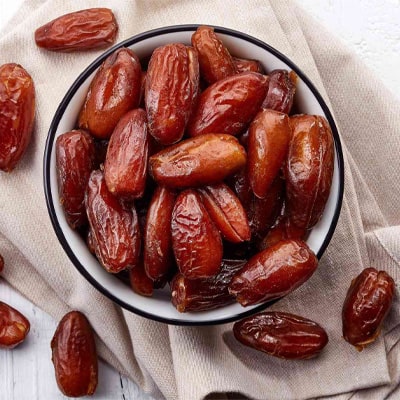
Dates
View Products
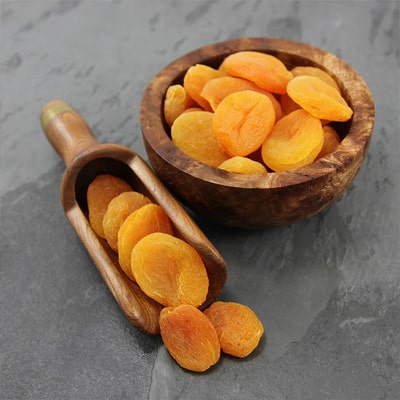
Dried Apricot
View Products
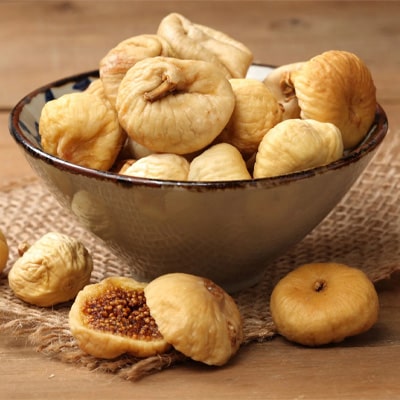
Figs
View Products

Saffron
View Products
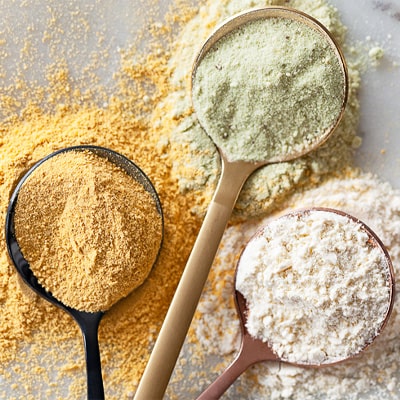
Powders
View Products
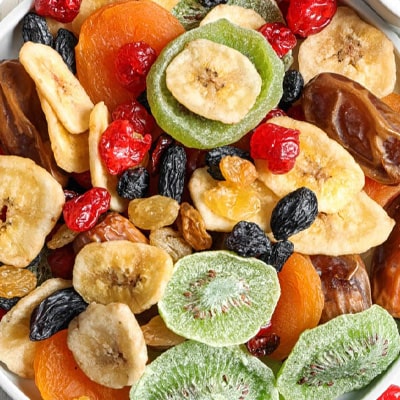
Dried Fruits
View Products
View Products
View Products
View Products
View Products
View Products
View Products
View Products
View Products
View Products
View Products

War conditions do not stop Iran’s saffron exports but change trade routes, increase costs, and shift exports through hubs like UAE while Iran remains the global leader.
War conditions create uncertainty in global commodity markets, especially for high-value agricultural products such as saffron. Iran, as the dominant producer of saffron in the world, plays a critical role in maintaining global supply stability.
The country’s production of Crocus sativus accounts for approximately 85 to 90 percent of total global output, making it the central pillar of the saffron trade ecosystem.
Even during geopolitical tensions, Iran continues to export saffron through adapted trade structures. The key insight is that war does not stop Iran’s saffron exports, but it transforms the way they move across the global supply chain. Trade routes shift, costs increase, and intermediary hubs become more important. For importers and buyers, understanding these dynamics provides a strategic advantage in sourcing decisions and risk management.
This article explains how war conditions affect saffron export from Iran, which countries remain the main buyers, how global prices respond, and why Iran continues to dominate the saffron market even under pressure.
| Saffron Type | Appearance | Filament Structure | Aroma Strength | Coloring Strength | Quality Grade | Main Use |
|---|---|---|---|---|---|---|
| Negin Saffron | Thick red stigmas with no yellow parts | Fully separated and premium cut | Very strong | Very high | Highest grade | Export, luxury food, premium packaging |
| Sargol Saffron | Pure red stigmas, fine cut | Fully trimmed red tips only | Strong | High | High grade | Cooking, export, food industry |
| Pushal Saffron | Red stigmas with some yellow style attached | Partially separated threads | Medium | Medium | Medium grade | Bulk trade, domestic use, industrial processing |
Iran can still export saffron during war conditions, but the structure of trade becomes more complex. Direct banking channels and traditional shipping routes may face restrictions due to sanctions or geopolitical instability.
However, saffron remains one of the most resilient export products because it is high value, low volume, and easily transported.
Iran adapts by using indirect export pathways. The most important mechanism is re-export through regional hubs, especially the United Arab Emirates. In this system, saffron is first exported to intermediary countries and then redistributed to Europe, Asia, and global markets.
This flexibility allows Iran to maintain its position in global saffron trade even when political conditions are unstable. Unlike bulk agricultural commodities, saffron’s concentrated value makes it less vulnerable to physical disruption, although financial and logistical costs increase.
| Country | Role |
|---|---|
| India | Largest consumer |
| UAE | Re-export hub |
| Spain | Processing & branding |
| China | Medicinal use |
| EU | Premium market |
| Country | Production Share | Quality |
|---|---|---|
| Iran | 85–90% | Very high |
| Afghanistan | 5–8% | High |
| Spain | <3% | Medium-high |
Iran’s dominance in saffron production is unmatched globally. Scientific and trade data consistently show that Iran supplies around 85 to 90 percent of the world’s saffron. This dominance is based on favorable climate conditions in regions such as Khorasan, long agricultural expertise, and established cultivation systems.
The production structure of Iran creates a strong supply advantage. Saffron is labor-intensive and requires precise harvesting methods, and Iran has developed a large-scale traditional workforce that ensures consistent quality. This quality advantage is one of the reasons Iranian saffron is preferred in premium markets.
Even in war conditions, agricultural production remains stable because saffron cultivation is geographically dispersed and not dependent on centralized industrial infrastructure. This stability ensures continuity in global supply even when external trade conditions fluctuate.
Iranian saffron reaches several key global markets through both direct and indirect channels. These destinations are critical in maintaining global demand balance.
The UAE plays a strategic role in global saffron distribution. It acts as a logistics and packaging center where Iranian saffron is re-exported to multiple regions. Its free trade zones make it a critical node in the supply chain.
India is one of the largest importers of saffron globally. Demand comes from culinary use, cultural traditions, and pharmaceutical applications. A significant portion of imported saffron is consumed domestically.
Spain imports saffron mainly for packaging and branding purposes. It acts as a value-added processing hub for European distribution.
Demand in China is increasing due to saffron’s use in traditional medicine, dietary supplements, and premium food products.
Countries in Europe import high-quality Iranian saffron for luxury food markets. Iranian saffron is considered superior in color strength, aroma, and chemical composition.
Although Iran dominates production, several other countries participate in the saffron market. However, their roles are significantly smaller in scale and influence.
Iran remains the global leader in both quantity and quality. Afghanistan has emerged as a secondary producer with increasing agricultural development, but its output remains far below Iran. Spain plays a different role by focusing on processing and re-export rather than raw production. India is both an importer and a limited producer in regions such as Kashmir.
This structure creates a global dependency on Iranian saffron, especially for premium quality markets. Even when alternative sources exist, they do not match Iran’s scale or consistency.
The global saffron production landscape is highly concentrated. Iran leads by a large margin, followed by a small group of secondary producers.
Iran contributes nearly 85 to 90 percent of global production. Afghanistan follows with a growing but still limited share. India produces saffron mainly in Kashmir at a smaller scale. Greece and Morocco contribute niche production for regional markets. Spain, Italy, and China produce limited quantities focused on domestic or specialty use.
This concentration explains why global saffron prices and availability are highly sensitive to conditions in Iran.
| Country | Production Share | Quality Level | Global Role |
|---|---|---|---|
| Iran | 85–90% | Very high | Global leader |
| Afghanistan | 5–8% | High | Emerging exporter |
| India | Low | High | Domestic consumption |
| Greece | Very low | Very high | Premium niche |
| Morocco | Very low | Medium | Regional supply |
Iran’s position remains unmatched both in volume and quality consistency, which ensures continued dominance in global trade.
War conditions and sanctions influence saffron pricing mainly through logistics, currency fluctuations, and insurance costs. However, because saffron is a high-value product, it remains relatively stable compared to bulk commodities.
| Market Condition | Price per Kg (Iran) |
|---|---|
| Stable market | 600 to 1,000 USD |
| Sanctions pressure | 800 to 1,500 USD |
| Crisis or war disruption | 1,200 to 2,000 USD |
Iran maintains competitive pricing due to high production efficiency and low raw material dependency. Even during disruption, Iranian saffron remains cost-effective compared to many global alternatives.
India is the largest importer of saffron globally due to its population size and cultural usage patterns. Saffron is widely used in food, religious ceremonies, and traditional medicine.
Other major importers include the UAE as a re-export hub, Spain for processing, China for medicinal use, and European countries for premium culinary markets. This diversified demand ensures stable global consumption even when supply conditions fluctuate.
War conditions impact saffron trade in multiple interconnected ways. Shipping routes often shift to indirect corridors, increasing transit time and logistics costs. Insurance premiums rise due to geopolitical risk, which affects overall export pricing. Currency volatility also plays a major role, especially for exporters and importers dealing in different financial systems.
Despite these challenges, saffron trade remains resilient because of its high value-to-weight ratio. Iran’s production capacity ensures that even under pressure, global supply does not collapse. Instead, it adjusts through pricing and distribution channels.
Yes, Iran continues exporting saffron through both direct and indirect trade routes, often using regional hubs like the UAE.
Prices typically range from 600 to 1,000 USD per kilogram in stable conditions and increase during disruptions.
Iran is the largest exporter due to its dominant global production share.
Major importers include India, UAE, Spain, China, and European countries.
Production remains stable because saffron cultivation is decentralized and deeply rooted in Iranian agriculture.



We import saffron for a specialty food distribution company in Canada. During geopolitical tensions, how reliable are delivery schedules through UAE re-export channels?
UAE transit routes have remained one of the most stable alternatives for international saffron shipments, although transit times and freight costs may occasionally fluctuate.