Pistachio
View Products

Frozen Drieds
View Products
Dried Vegetables
View Products
Raisin
View Products
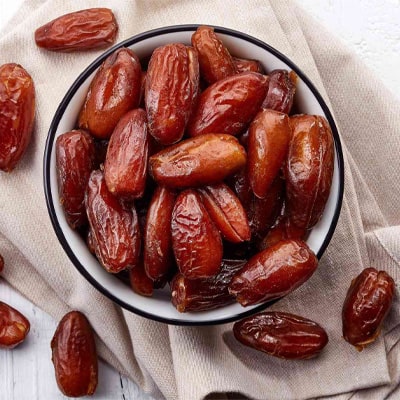
Dates
View Products
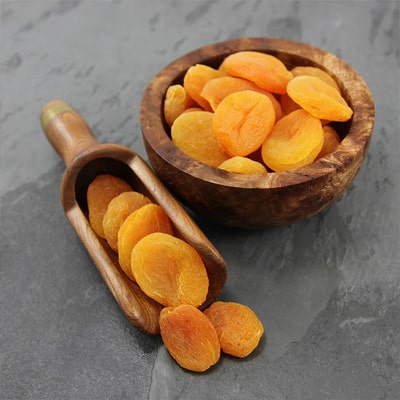
Dried Apricot
View Products
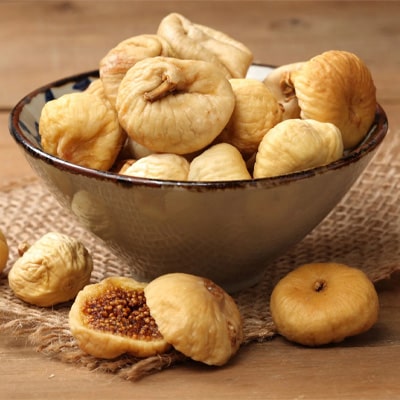
Figs
View Products

Saffron
View Products

Powders
View Products
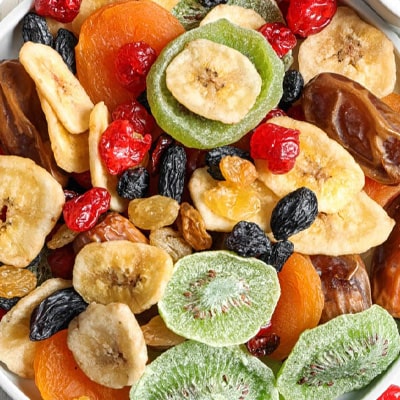
Dried Fruits
View Products
View Products
View Products
View Products
View Products
View Products
View Products
View Products
View Products
View Products
View Products
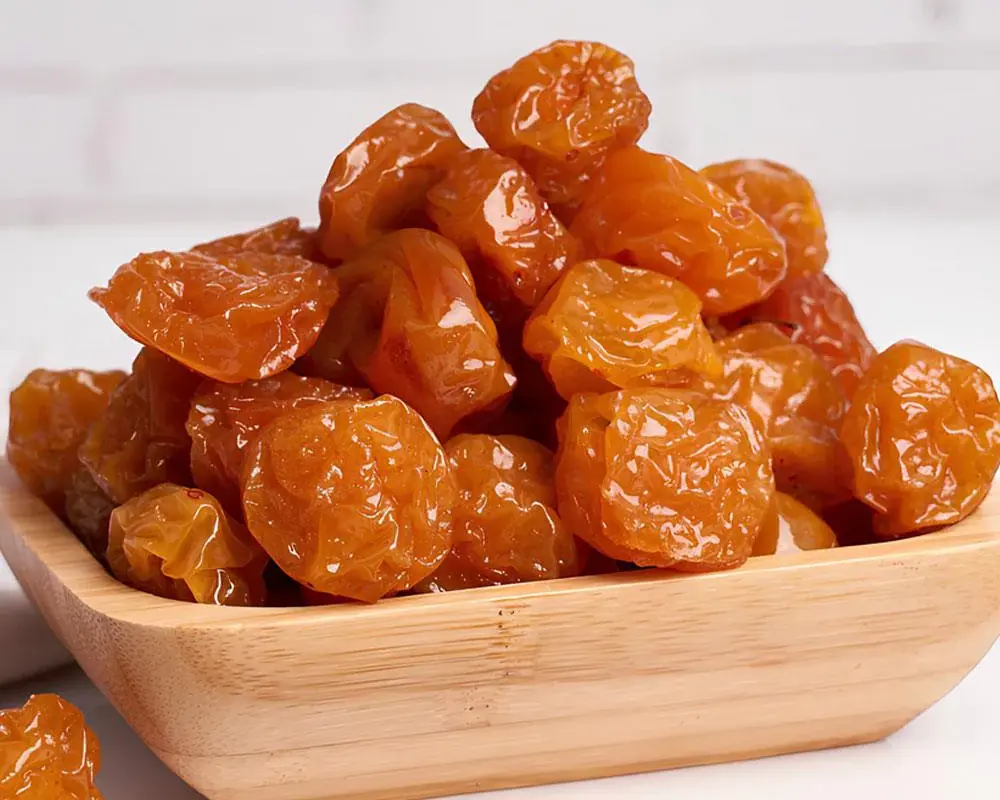
Prices range USD 3.5–6/kg in 2025.
Influenced by:
Harvest conditions
Drying + processing costs
Certifications & quality grade
Currency rates and freight costs
Iran, Turkey, and Uzbekistan are the leading suppliers.
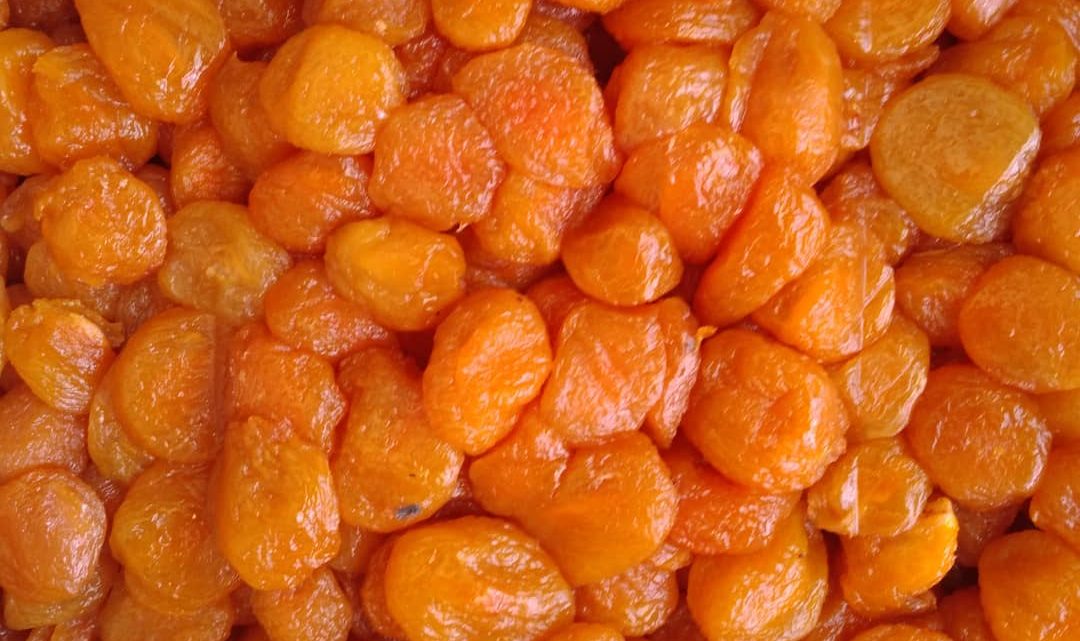
As the global dried-fruit industry expands, the demand for dried Aloo Bukhara (dried plums) continues to rise. Known for its rich flavor and nutritional benefits, this fruit has become a valuable commodity in both regional and international markets.
Understanding its global price trends helps buyers and traders make informed decisions, especially as prices fluctuate based on production volumes, export demand, and climate variations.
In 2025, dried Aloo Bukhara prices in global markets generally range from USD 3.5 to 6 per kilogram, depending on origin, grade, and packaging. The highest prices are found in European markets, where demand for organic and premium-grade products remains strong.
Countries such as Turkey, Iran, Uzbekistan, and Afghanistan dominate supply due to favorable growing conditions and established drying facilities. Europe and the Middle East represent the main import destinations, while rising consumption in India, China, and the Gulf region continues to push export volumes higher.
another article: Dried Peach Prices in Global Markets
Weather changes affect harvest yield and quality. Late frost or drought in key producing areas can tighten supply and drive prices upward.
Electricity and fuel costs used in drying processes significantly influence final pricing. Countries using solar or hybrid drying methods often maintain more stable costs.
Aloo Bukhara classified under ISO 22000 or HACCP standards commands higher prices in export markets due to quality assurance.
Exchange-rate volatility, especially in emerging markets like Iran and Afghanistan, directly affects export prices in USD. Tariff adjustments and freight rates also impact landed costs.
RegionAverage Price (USD/kg)Market TypeTurkey4.5 – 6.0Export PremiumIran3.8 – 5.0Bulk ExportUzbekistan3.5 – 4.8Mid-GradeIndia4.0 – 5.5Domestic & Export Mix
Iran’s competitive production costs and favorable climate give it an edge in the bulk export market, offering buyers high-quality products at moderate prices.
Analysts forecast a 3–4 percent annual growth in the dried-plum sector, driven by rising consumer preference for natural snacks and health-focused diets. As logistics stabilize post-pandemic and new drying technologies improve efficiency, export competitiveness is expected to strengthen, particularly from Middle Eastern and Central Asian producers.
read more: Understanding Global Prices for Dried Plums
Ensure compliance with international food-safety standards such as HACCP or ISO.
Review price offers from Turkey, Iran, and Uzbekistan to assess best value for volume and quality.
Buying immediately after harvest, when supply is abundant, helps secure better pricing and freshness.
Prices generally range from USD 3.5 to 6 per kg, varying by region and grade.
Turkey, Iran, Uzbekistan, and Afghanistan are leading exporters due to established production capacity.
Climate, drying costs, quality certifications, and currency fluctuations are key drivers of pricing trends.