Pistachio
View Products
Frozen Drieds
View Products
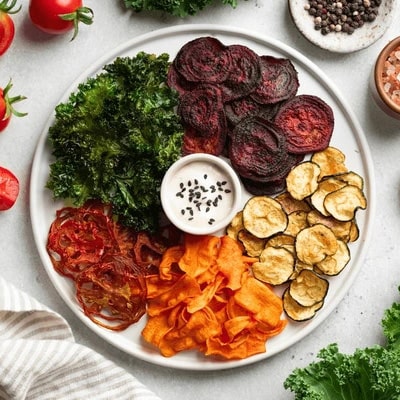
Dried Vegetables
View Products
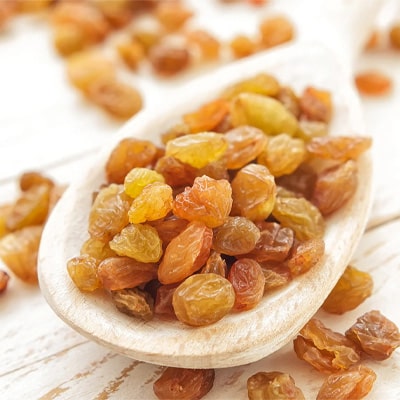
Raisin
View Products
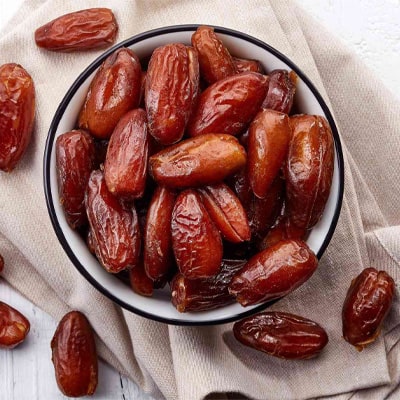
Dates
View Products
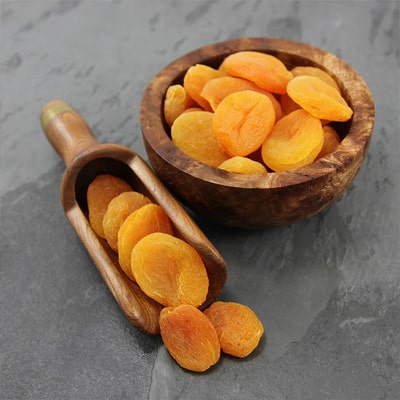
Dried Apricot
View Products
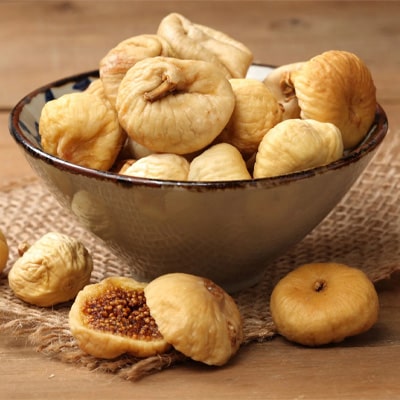
Figs
View Products

Saffron
View Products
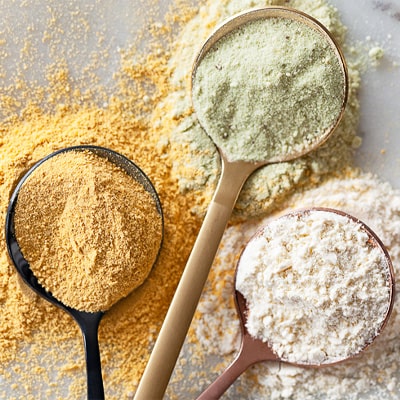
Powders
View Products
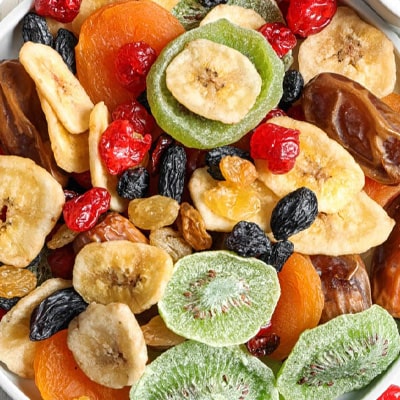
Dried Fruits
View Products
View Products
View Products
View Products
View Products
View Products
View Products
View Products
View Products
View Products
View Products
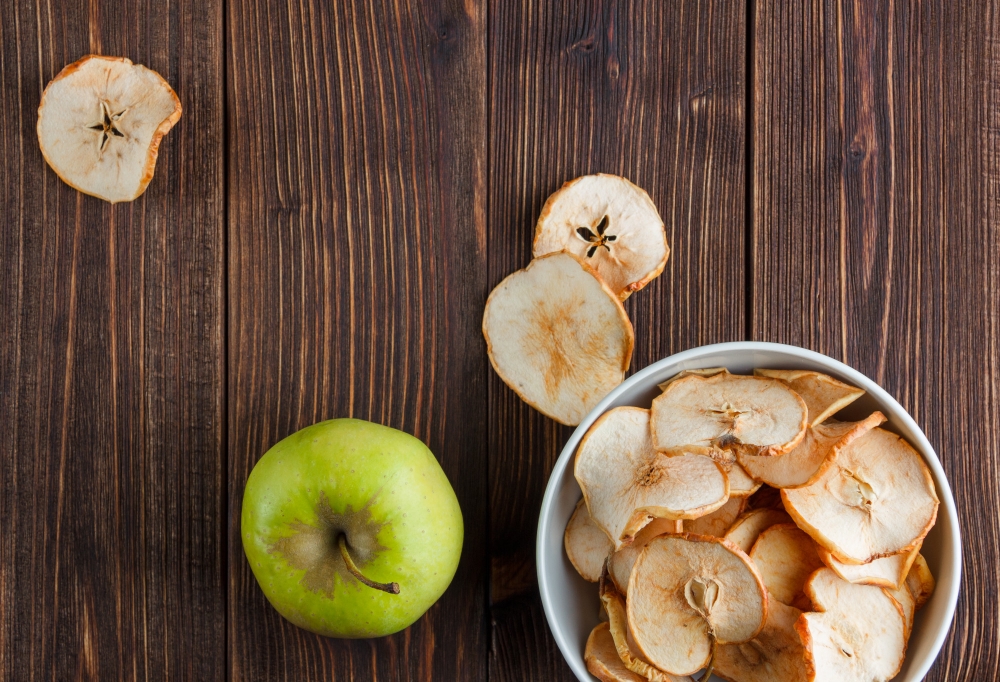
The price of dried apples in Iran in 2026 ranges from approximately 350,000 to 500,000 Iranian rials per kilogram, depending on the type, grade, and packaging.
Can the price of a simple dried fruit reveal deeper truths about a country’s economy? In Iran, dried apples are not only a common snack but also a reflection of agricultural trends, consumer demand, and economic challenges. By examining the estimated price of dried apples in 2026, readers can better understand the forces shaping Iran’s food market. This knowledge is valuable for farmers, traders, and households seeking stability in a market often marked by volatility.
Dried apples occupy an important place in Iranian diets and commerce. They are consumed as healthy snacks, added to traditional recipes, and sold across local and international markets. Over the past decade, their popularity has risen as consumers shift toward natural and preservative-free foods. However, like many agricultural products, dried apple prices are strongly influenced by both domestic conditions and external trade pressures.
Wholesale dried apple prices are typically 15–25% lower than retail dried apple prices, since bulk buyers — such as confectioneries, hotels, and food manufacturers — purchase dried apples directly from processing facilities or drying cooperatives in large volumes (usually 50 kg and up), cutting packaging, distribution, and middleman costs out of the final price.
By contrast, the retail price of dried apples includes small-batch packaging, branding, shop distribution, and retailer profit margin — which is why the same product costs noticeably more per kilogram in a small store package than in a bulk sack at a wholesale market.
If you're looking to buy dried apples at a better price, shopping at wholesale fruit and nut markets or arranging a group purchase with neighbors or family can bring the cost closer to the wholesale rate.
The drying method has a direct impact on dried apple prices.
Buyers who want a more uniform product with longer shelf life tend to choose industrially dried apples despite the higher price, while those who prioritize traditional flavor and a lower cost tend to go for sun-dried.
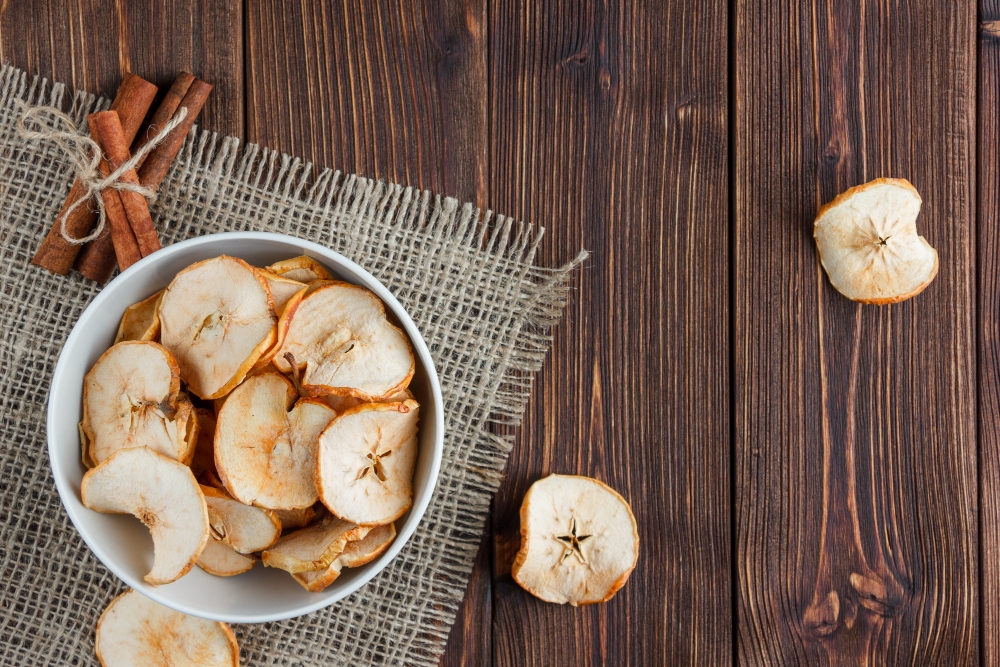
Iran remains one of the leading apple producers in the region. In years of abundant harvest, dried apple prices tend to stabilize or fall. However, in 2026, weather fluctuations and water shortages in several provinces have limited yields, contributing to higher retail prices.
Drying apples is a resource-intensive process that requires electricity, skilled labor, and storage. Rising energy prices in 2026 have added noticeable pressure on producers, which in turn has raised the final retail price of dried apples in Iran.
READ MORE: Understanding Global Prices for Dried Plums
Urban households increasingly favor dried apples as a healthy and portable snack. Simultaneously, exports to countries such as the United Arab Emirates and Iraq remain strong. Export demand often drives local prices upward, as traders allocate higher-quality batches to international markets.
Iran continues to face inflationary pressures, and fluctuations of the rial against major currencies have raised the costs of packaging and distribution. These financial dynamics play a central role in shaping the price of dried apples in 2026, keeping prices higher than previous years.
READ MORE: Dried Peach Prices in Global Markets
Based on current market observations, the estimated retail price of dried apples in 2026 ranges between 350,000 and 500,000 Iranian rials per kilogram. The price depends on the apple variety, method of drying, and quality of packaging. Organic or premium-grade products sell at the higher end, while bulk or less-processed varieties remain more affordable.
The outlook for dried apples in Iran suggests continued demand growth, both domestically and abroad. However, climate risks, rising input costs, and economic uncertainty may keep prices relatively high. Investment in modern drying technology and improved supply chain management could help stabilize prices in the long term, offering more affordable options for consumers.
In 2026, the retail price ranges between 350,000 and 500,000 Iranian rials per kilogram, depending on quality and packaging.
Higher energy costs, reduced harvests, and inflation have combined to push prices upward this year.
Yes. Despite the price increase, dried apples are still considered more affordable than imported dried fruits such as dried mango or pineapple.