Pistachio
View Products
Frozen Drieds
View Products
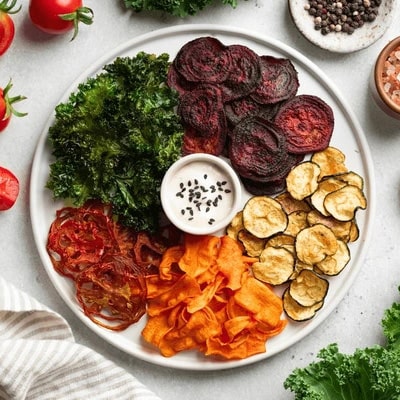
Dried Vegetables
View Products
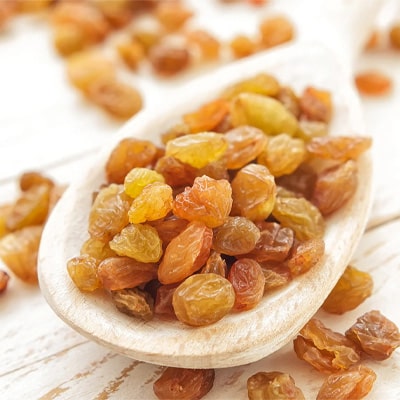
Raisin
View Products
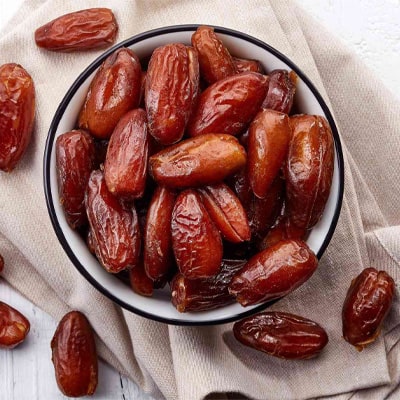
Dates
View Products
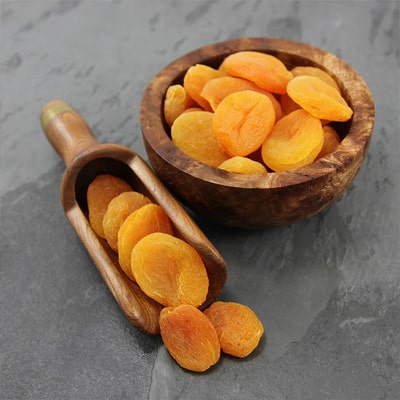
Dried Apricot
View Products
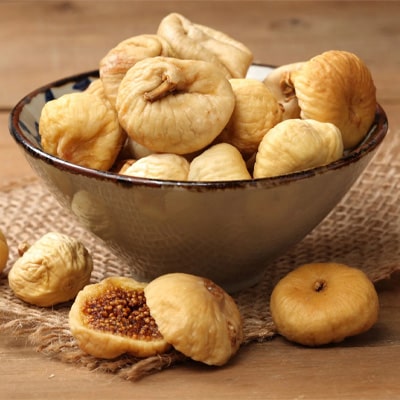
Figs
View Products

Saffron
View Products
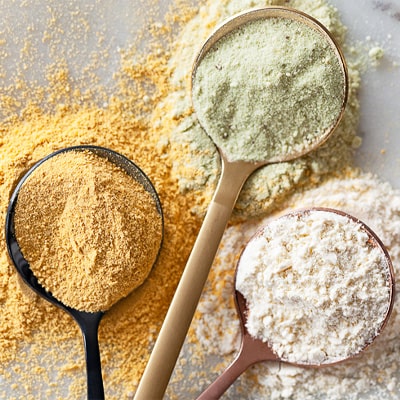
Powders
View Products
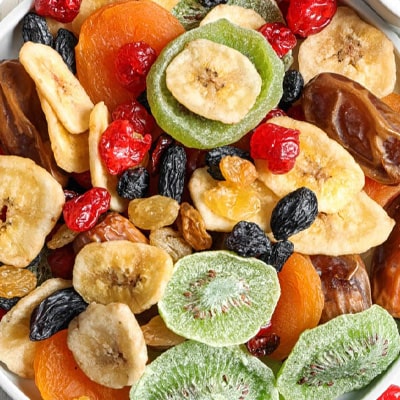
Dried Fruits
View Products
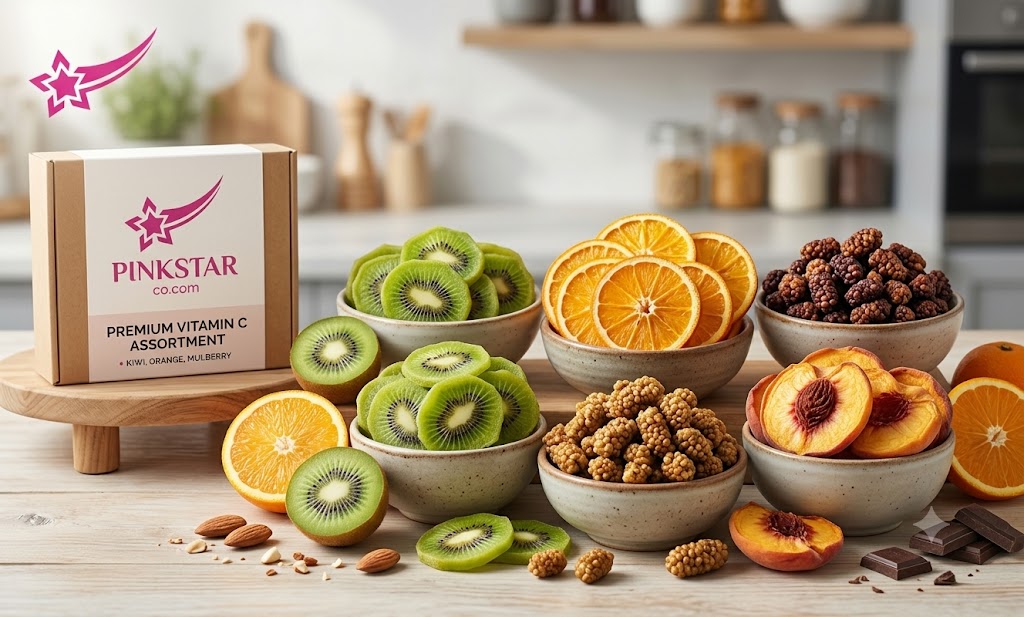
Which dry fruits contain the most vitamin C? Dried kiwi, dried oranges, and dried mulberries may provide vitamin C, but the amount varies depending on the fruit, drying method, and storage conditions. Comparing their nutritional values can help consumers choose suitable products.
If you are looking for dried fruits rich in Vitamin C, these top choices deliver the highest nutrient density per serving:
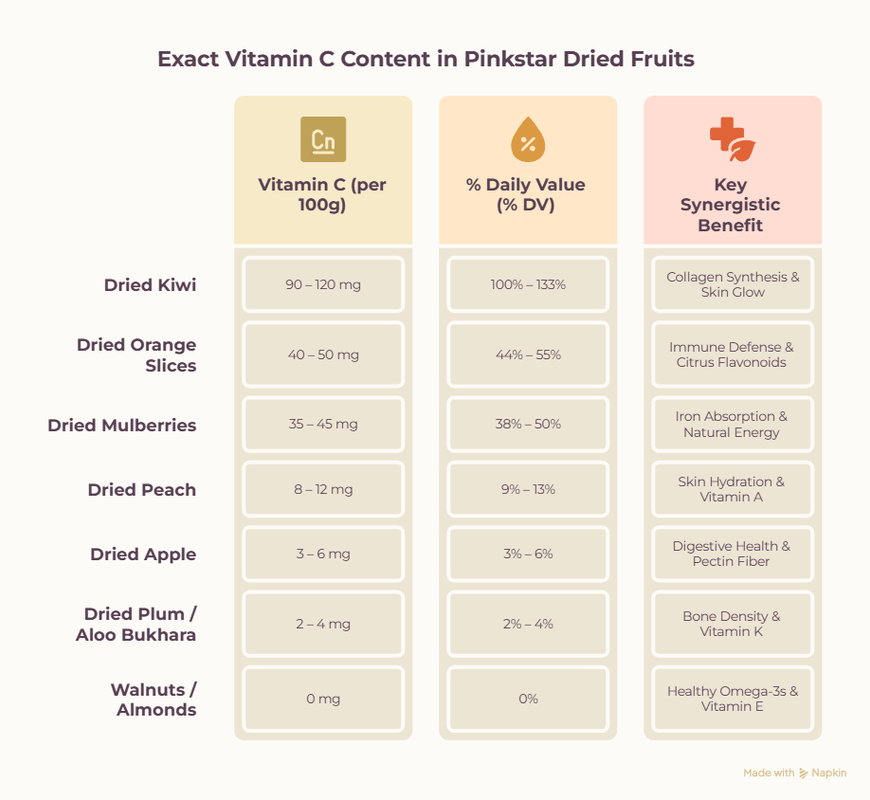
Below is the verified nutritional breakdown per 100g serving compared against the Recommended Daily Value (DV = 90 mg):
| Fruit Product | Vitamin C (per 100g) | % Daily Value (% DV) | Key Synergistic Benefit |
|---|---|---|---|
| Dried Kiwi | 90 – 120 mg | 100% – 133% | Collagen Synthesis & Skin Glow |
| Dried Orange Slices | 40 – 50 mg | 44% – 55% | Immune Defense & Citrus Flavonoids |
| Dried Mulberries | 35 – 45 mg | 38% – 50% | Iron Absorption & Natural Energy |
| Dried Peach | 8 – 12 mg | 9% – 13% | Skin Hydration & Vitamin A |
| Dried Apple | 3 – 6 mg | 3% – 6% | Digestive Health & Pectin Fiber |
| Dried Plum / Aloo Bukhara | 2 – 4 mg | 2% – 4% | Bone Density & Vitamin K |
| Walnuts / Almonds | 0 mg | 0% | Healthy Omega-3s & Vitamin E |
Vitamin C is sensitive to heat and oxygen. Conventional hot-air drying can reduce its content, while freeze-drying often preserves more vitamin C under comparable conditions.
Drying also removes water, which can increase the concentration of some nutrients per 100 grams. However, this concentration effect does not mean that the original vitamin C is fully preserved.
For a reliable comparison, use laboratory results or nutritional information specific to each product.
Fresh kiwi contains roughly 92 mg of Vitamin C per 100g. When processed using controlled low-temperature dehydration, Dried Kiwi concentrates natural sugars and retains approximately 90–120 mg of Vitamin C per 100g. Just a small 30g serving covers over 35% of your daily requirement, aiding collagen production and skin elasticity.
Orange slices dried with their peel preserve essential citrus flavonoids (such as hesperidin) alongside ascorbic acid, supplying around 40–50 mg of Vitamin C per 100g. Dried Oranges serve as an ideal ingredient for herbal teas, healthy snacks, and dietary infusion.
Dried mulberries are a unique superfood supplying 35–45 mg of Vitamin C and over 18% of the daily iron requirement per 100g. Vitamin C enhances non-heme iron absorption in the gut, making Dried Mulberries an ideal daily snack for combating fatigue.
While lower in Vitamin C than kiwi or oranges, Dried Peaches (~10 mg/100g) and Dried Apples (~4 mg/100g) offer balanced dietary fiber, potassium, and trace vitamins that support digestive health and overall cellular protection.
Most common tree nuts, including almonds and walnuts, are not significant sources of vitamin C. They provide other nutrients, such as healthy fats, protein, vitamin E, and minerals.
Pairing nuts with dried fruit can provide a broader range of nutrients in a snack. For example, dried fruit contributes carbohydrates and fiber, while nuts provide fats and protein.
If vitamin C content is your priority, consider these points:
For food manufacturers, wholesalers, and importers, consistent nutritional specifications are particularly important when selecting dried fruit ingredients.
A common misconception in search queries is looking for Vitamin C in walnuts or Vitamin C nuts and seeds.
Dried Kiwi is the highest among standard commercial dried fruits, delivering up to 120 mg of Vitamin C per 100g, which exceeds 100% of the daily recommended intake.
No. Common tree nuts such as walnuts, almonds, and cashews contain zero Vitamin C. They are instead rich in healthy fats, protein, and Vitamin E.
Standard warm-air dehydration causes a 40% to 60% loss of heat-sensitive Vitamin C (ascorbic acid). However, because drying removes water weight, the remaining Vitamin C becomes concentrated per gram.
Yes. Dried fruits high in Vitamin C (like kiwi, oranges, and mulberries) provide the necessary co-factors for proline and lysine hydroxylation—the essential biochemical step in skin collagen synthesis.

[Browse the full dried fruit range →WhatsApp]