

Pistachio
View Products
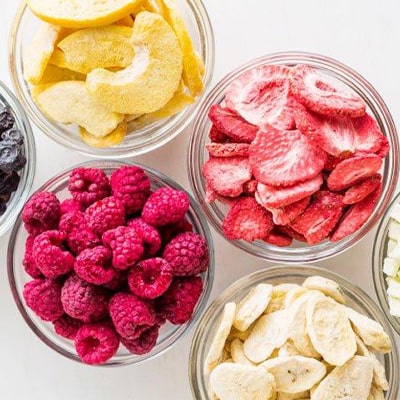
Frozen Drieds
View Products

Dried Vegetables
View Products
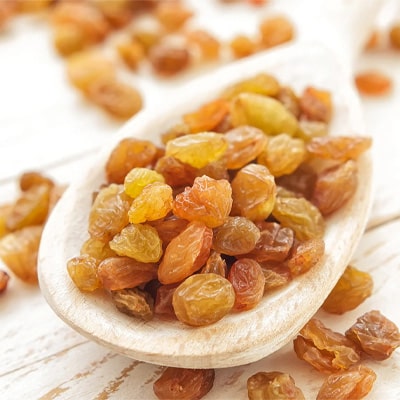
Raisin
View Products
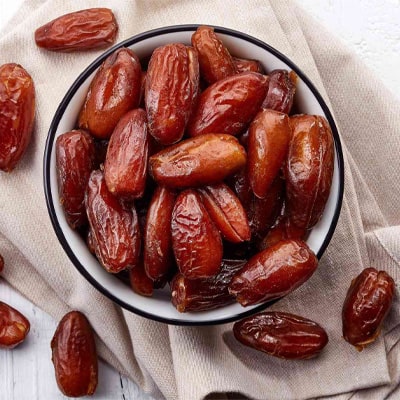
Dates
View Products
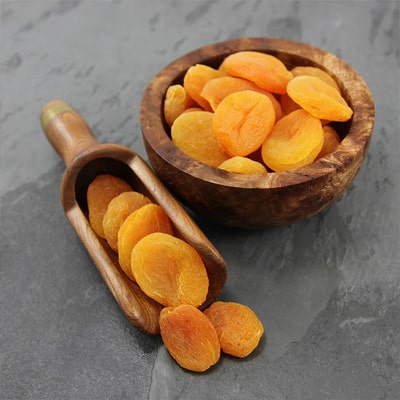
Dried Apricot
View Products
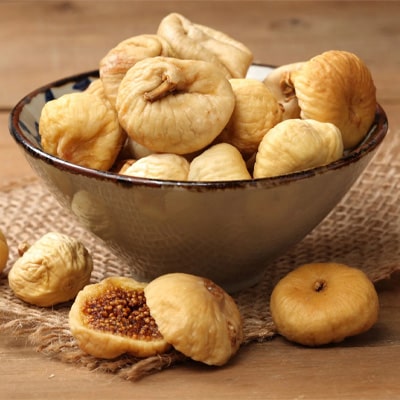
Figs
View Products

Saffron
View Products

Powders
View Products
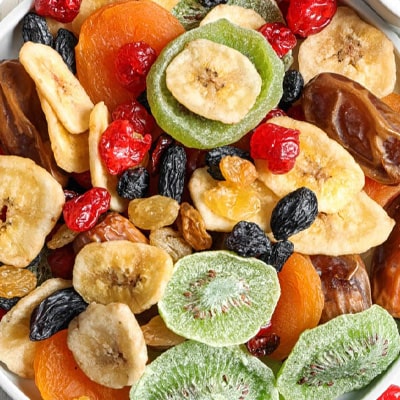
Dried Fruits
View Products

Small production → choose a compact commercial unit (10–50 kg per batch)
Medium production → mid-size freeze dryer with higher shelf area and automation
Large/industrial production → high-capacity industrial machine (100+ kg per cycle)
Considerations → batch capacity, cycle time, energy use, compliance standards, and budget
Ice cream that does not melt sounds impossible, doesn’t it? Yet freeze drying makes it stable, lightweight, and shelf-ready for months. A freeze dried ice cream machine allows manufacturers to transform conventional ice cream into a crunchy product with extended shelf life and strong export potential.
This article explains how the technology works, what specifications matter, and how businesses can select the right machine for scalable production.
Freeze drying, scientifically known as lyophilization, removes moisture through sublimation. In this process, water shifts directly from solid ice to vapor without becoming liquid. According to food engineering research, freeze drying can reduce moisture content to below 2 percent while preserving structure and flavor, which is why the same technology is widely used in products such as Frozen Dried Strawberries.
A freeze dried ice cream machine includes a freezing chamber, vacuum system, heated shelves, and a condenser. First, the ice cream is frozen at extremely low temperatures. Then a vacuum lowers pressure, allowing ice crystals to sublimate. Controlled heat accelerates moisture removal without damaging texture, similar to the controlled dehydration process applied in Frozen Dried Apple.
The result is a dry, porous product that retains shape, flavor, and nutritional value. This stability reduces microbial risk and extends shelf life, which is critical for export markets, especially in categories like Frozen Dried Kiwi where long-distance shipping requires moisture control.
| Feature | Small Commercial Unit | Industrial Freeze Dryer |
|---|---|---|
| Batch Capacity | 10–50 kg | 100–300+ kg |
| Cycle Time | 24–36 hours | 18–30 hours |
| Automation | Semi-automatic | Fully automatic |
| Suitable For | Startups | Large-scale production |
| Export Ready | Limited | Yes |
Production goals determine machine selection. A small laboratory freeze dryer differs significantly from an industrial system designed for bulk manufacturing. Businesses evaluating equipment often compare technical performance alongside market data such as current freeze dried ice cream prices to calculate realistic ROI.
Commercial units often handle 10 to 50 kilograms per batch. Industrial freeze drying machines can exceed 200 kilograms per cycle and operate continuously. Larger systems offer programmable controls, automated loading, and stainless steel 304 construction for food safety compliance, similar to standards required in premium export products like Saffron.
International food safety frameworks such as ISO 22000 and HACCP require hygienic design and traceable processing parameters. Businesses targeting regulated markets must ensure the machine meets these standards, particularly when exporting high-value goods such as Negin saffron.
Capacity determines profitability. Consider daily output targets and cycle duration. A typical freeze drying cycle for ice cream ranges from 18 to 36 hours depending on thickness and formulation. Similar capacity planning is essential when evaluating bulk supply chains like those discussed in the guide to Most Profitable Export Markets for Iranian Saffron.
Higher shelf surface area increases throughput. Energy efficiency also affects operating cost. Industrial freeze drying machines consume significant power, so comparing kilowatt usage per batch is essential, just as cost analysis matters in bulk purchasing decisions such as Sargol saffron.
Residual moisture level influences texture and shelf stability. Machines with precise temperature and pressure controls achieve consistent results, which is critical in premium export categories similar to the standards outlined in Sargol Saffron Where to Buy: A Comprehensive Guide to Bulk Purchasing.
Vacuum pump strength, condenser capacity, and programmable control systems all contribute to performance reliability. Advanced monitoring systems reduce batch failure risk, which lowers waste and protects margins.
Initial investment varies widely depending on scale and automation level. However, freeze dried ice cream commands premium pricing due to novelty and convenience. Market demand has grown steadily in outdoor snacks, specialty confectionery, and private label exports.
Long shelf life reduces cold chain dependency. Lower storage and transport costs improve international trade feasibility. For exporters, this logistical advantage can offset higher equipment costs over time.

A freeze dried ice cream machine supports diversification. Manufacturers can supply retail packs, bulk ingredients, or contract production services.
Stable packaging simplifies cross-border shipping. Reduced weight lowers freight cost. Extended shelf life minimizes spoilage risk. These factors collectively improve competitiveness in global markets.
If your goal is to expand production or enter new export channels, evaluating machine capacity, compliance, and operational cost should be your next step.
It removes moisture from frozen ice cream through sublimation under vacuum conditions, creating a dry and shelf-stable product.
A standard cycle lasts between 18 and 36 hours depending on batch thickness, machine size, and moisture targets.
Yes. Its long shelf life, low weight, and reduced need for refrigeration make it highly suitable for international distribution.




We previously tested a small freeze drying unit for dessert products and the texture quality was impressive. We are now considering scaling to industrial production.
That is a common upgrade path. Industrial systems provide better batch consistency, higher output, and full automation which is essential for scalable export production.