
Pistachio
View Products
Frozen Drieds
View Products
Dried Vegetables
View Products
Raisin
View Products
Dates
View Products
Dried Apricot
View Products
Figs
View Products

Saffron
View Products
Powders
View Products
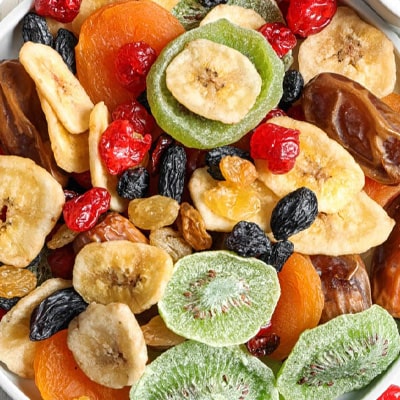
Dried Fruits
View Products
View Products
View Products
View Products
View Products
View Products
View Products
View Products
View Products
View Products
View Products

What if a simple ingredient could carry concentrated nutrition, long shelf stability, and strong commercial value at the same time? Iranian dried tomatoes present exactly this paradox. They are lightweight yet nutrient-dense, simple in appearance yet strategically important in global food trade.
This article explains the nutritional quality and shelf life of Iranian dried tomatoes, helping importers and food businesses understand their real value in both health and commercial applications. The key takeaway is clear: proper drying and storage methods in Iran allow tomatoes to retain strong nutritional density while achieving extended shelf life suitable for international shipping.
Iranian dried tomatoes are rich in concentrated nutrients due to moisture removal through natural sun drying or controlled dehydration processes.
Tomatoes are one of the best natural sources of lycopene, a carotenoid linked to antioxidant protection. According to research published in the Journal of Agricultural and Food Chemistry, drying tomatoes can increase lycopene bioavailability by up to 2–3 times compared to fresh tomatoes.
Key nutritional components include:
The paradox is interesting. While vitamin C decreases during drying, overall antioxidant density increases. This makes dried tomatoes more suitable for industrial food formulations than fresh ones in many cases.
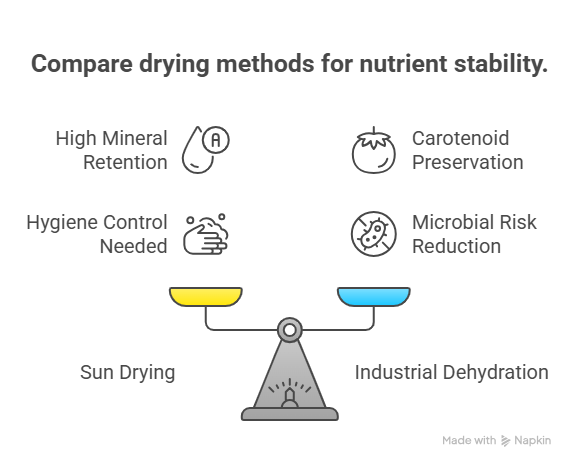
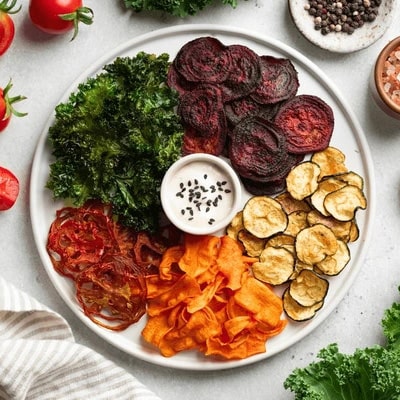
The nutritional quality of Dried Vegetables like dried tomatoes depends heavily on the dehydration method used.
Sun drying is widely used in rural regions of Iran. It naturally preserves flavor compounds and maintains high mineral retention. However, it requires strict hygiene control to avoid contamination.
Controlled dehydration ensures consistent moisture reduction and stable nutrient preservation. Studies from the Food and Agriculture Organization (FAO) confirm that low-temperature drying better preserves carotenoids and reduces microbial risks.
Both methods aim to achieve a stable moisture level below 15 percent, which is critical for long-term storage.
Shelf life is one of the most important factors for importers and wholesalers.
When properly dried and packaged, Iranian dried tomatoes can last between 6 to 18 months depending on storage conditions.
Key storage factors include:
Improper storage can lead to mold formation or flavor degradation. This is why export-grade packaging plays a decisive role in quality preservation.
International buyers evaluate dried tomatoes based on strict quality benchmarks.
Uniform deep red color indicates proper drying and ripeness selection.
Compliance with Codex Alimentarius standards ensures food safety for global markets.
Many buyers prefer sulfur-free dried tomatoes for clean-label food production.
These standards position Iran as a competitive supplier in the Mediterranean ingredient market.
Iranian dried tomatoes are widely used in:
Their concentrated flavor reduces production costs for manufacturers while maintaining nutritional value.
The nutritional quality and shelf life of Iranian dried tomatoes make them a reliable choice for international buyers. Their combination of concentrated nutrients, long storage stability, and export readiness provides a clear advantage in global food supply chains.
For importers, the key is simple: focus on moisture control, packaging quality, and verified sourcing to ensure maximum product value throughout the supply chain.
more products:
They typically last 6 to 18 months when stored in dry, cool, and sealed conditions with controlled humidity.
They contain higher concentrations of antioxidants like lycopene, but lower vitamin C compared to fresh tomatoes.
Yes, they are shelf-stable products when moisture content is properly controlled and packaging is airtight.



Do you offer sulfur-free dried tomatoes for clean-label food manufacturing in the UK market? Our retail clients are increasingly requesting additive-free ingredients.
Yes, We can supply sulfur-free and export-grade dried tomatoes suitable for clean-label and natural food production requirements.