
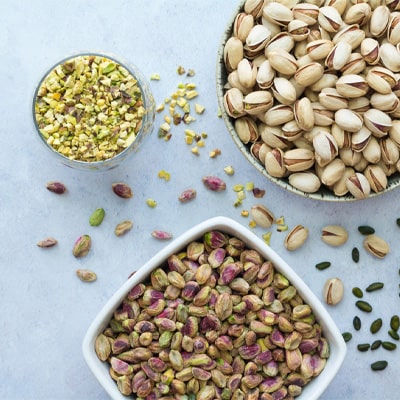
Pistachio
View Products
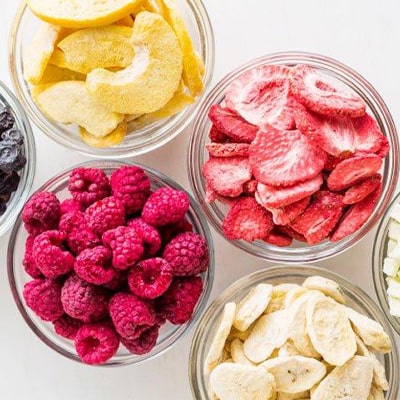
Frozen Drieds
View Products
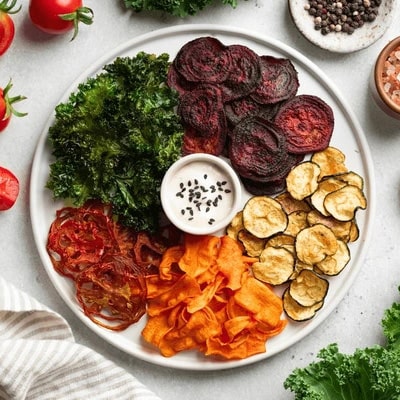
Dried Vegetables
View Products
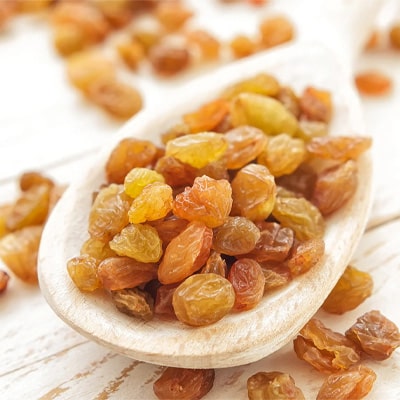
Raisin
View Products
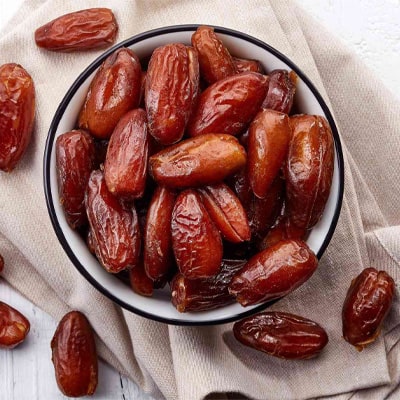
Dates
View Products
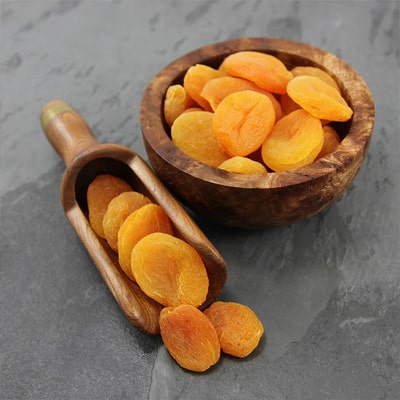
Dried Apricot
View Products
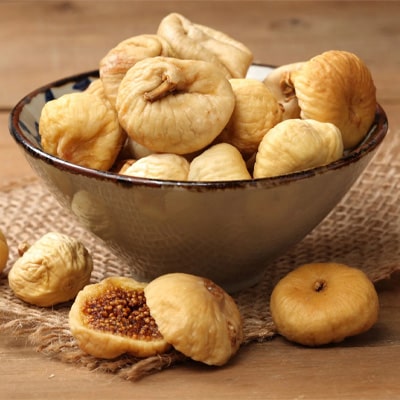
Figs
View Products

Saffron
View Products

Powders
View Products
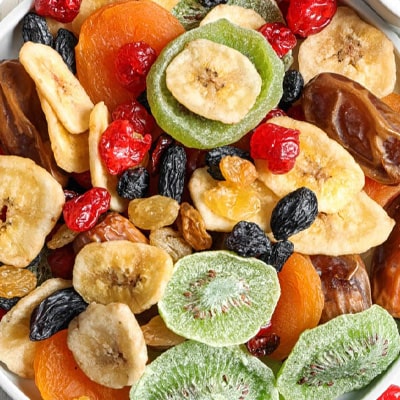
Dried Fruits
View Products
View Products
View Products
View Products
View Products
View Products
View Products
View Products
View Products
View Products
View Products

| Region | Bulk Export Price (USD/kg) | Retail Price (USD/kg) | Key Notes |
|---|---|---|---|
| North America | 25–40 | 45–110 | High-quality, innovation-driven |
| Europe | 24–38 | 40–100 | Organic & premium products dominate |
| Asia-Pacific | 22–35 | 38–95 | Rapid adoption, emerging markets |
| Middle East | 23–37 | 40–105 | Higher logistics costs |
Regional trends, combined with dairy and ingredient cost fluctuations, contribute to ongoing price volatility and strategic opportunities for buyers.

In 2026, frozen dried ice cream prices continue to reflect growing global demand for lightweight, shelf‑stable snack products. This trend is mirrored in the rising popularity of frozen dried strawberries, which combine convenience with intense flavor, making them a favored choice for both consumers and specialty dessert producers.
This niche segment, once associated primarily with novelty and space food, is increasingly part of mainstream frozen dessert markets. Freeze dried ice cream prices are influenced by broader food trends that favor portability, convenience, and unique texture experiences while maintaining premium pricing. Similarly, frozen dried apple products are gaining traction as versatile ingredients for cereals, snacks, and confectionery.
Global Freeze Dried Ice Cream Prices Market Size and Forecasts
The global freeze dried ice cream prices market is expanding rapidly, projected to grow strongly through 2030 as demand for ready‑to‑eat and adventure-friendly products increases. Recent industry analysis shows steady market expansion through 2026, with ongoing innovations in flavors and distribution strategies supporting worldwide reach. Exporters are also exploring opportunities in premium fruit varieties like frozen dried kiwi, which appeal to international markets seeking exotic flavors.
Market forecasts indicate that the overall freeze-dried food category — which includes ice cream products — is expected to reach approximately USD 11.6 billion in 2026, driven by growth in dairy, fruit, and dessert segments. At the same time, niche high-value exports such as Negin saffron are influencing global gourmet pricing trends, showing how specialty ingredients maintain strong demand.
Actual frozen dried ice cream prices vary depending on volume, quality, and geography:
Wholesale/Bulk Export Prices
Large commercial orders typically range from $22 to $40 per kilogram, depending on order size, supplier relationships, and destination. Similar patterns can be observed in premium spice markets, such as Sargol saffron, which also commands high prices in bulk due to quality and origin.
Retail Freeze Dried Ice Cream Prices
Retail packaging for consumer-oriented products is higher due to packaging, branding, and smaller sizes. Regional retail listings show packaged products at roughly $40–$110 per kilogram when adjusted for pack weight and local currencies. Specialty retailers often bundle complementary products, like super sargol saffron bulbs for sale, into premium gift sets for added value.
These ranges illustrate that freeze dried ice cream prices remain at a premium compared to conventional frozen desserts due to processing costs, logistics, and limited specialized production capacity.
Higher prices are driven by strict quality standards, innovation, and advanced distribution networks. In parallel, markets for high-quality nuts such as Iranian almonds, detailed in Top Export Markets for Iranian Almonds, are experiencing similar trends in premium pricing.
Strong demand for organic and premium desserts increases average price levels compared to other regions. This mirrors specialty sectors like saffron, with detailed insights available in Most Profitable Export Markets for Iranian Saffron, where European buyers prioritize quality and traceability.
Markets are adopting products rapidly, often at slightly lower launch prices as local production and imports expand. Exporters often align fruit and spice offerings, combining products like saffron with other high-value exports for diversified portfolios.
Higher logistical costs affect final landed prices for importers. Strategic sourcing from trusted suppliers ensures consistent quality, whether for Sargol Saffron Where to Buy: A Comprehensive Guide to Bulk Purchasing or for frozen dried dessert products.
Regional trends, combined with dairy and ingredient market shifts, contribute to ongoing price volatility and strategic procurement opportunities.
Several key factors impact freeze dried ice cream prices in 2026:
Commodity costs, especially dairy and energy.
Labor and production cost variances across regions.
Supply chain constraints and long-distance transport costs.
Understanding these influences helps buyers and sellers navigate price trends with confidence.
For importers and exporters, frozen dried ice cream prices should be considered alongside global market trends.
Engaging experienced suppliers, analyzing cost drivers, and monitoring international price indexes helps identify opportunities and manage risk as the market matures.
Bulk export prices generally range from $22 to $40 per kilogram, while retail packaging ranges $40–$110 per kilogram.
North America, Europe, and Asia-Pacific lead in production and consumption, each with distinct pricing trends.
Dairy commodity costs, labor, energy, supply chain logistics, and technological investment in freeze-drying.
Engage experienced suppliers, monitor global price indexes, and secure long-term contracts.



We are sourcing 5–8 tons per quarter for private label distribution in the US. Are your bulk prices ($22–$40/kg) based on full container loads, and do you offer better rates for annual contracts?
Thank you for your inquiry, Michael. Yes, our most competitive pricing applies to FCL orders. For quarterly or annual contracts, we offer structured discounts and stable pricing terms—please contact our export team for a tailored quotation.