
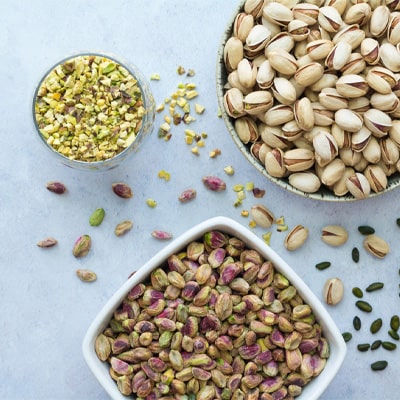
Pistachio
View Products
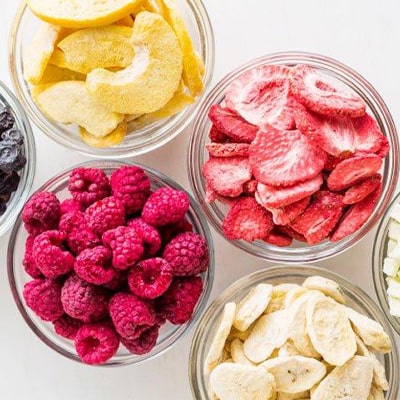
Frozen Drieds
View Products
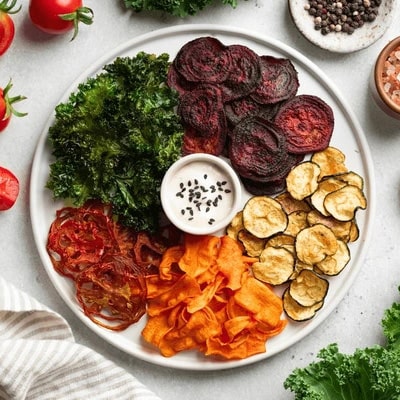
Dried Vegetables
View Products
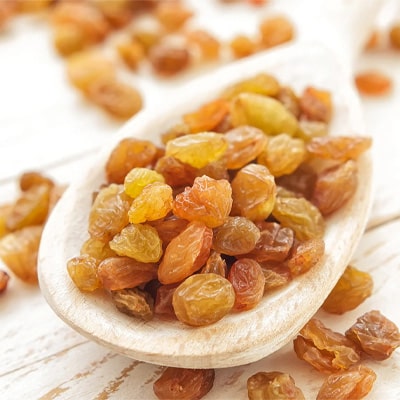
Raisin
View Products
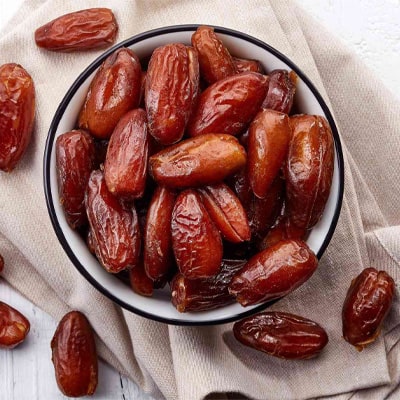
Dates
View Products
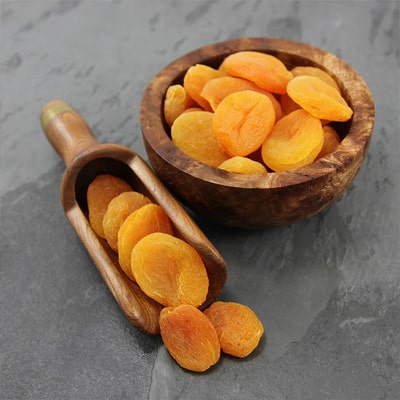
Dried Apricot
View Products
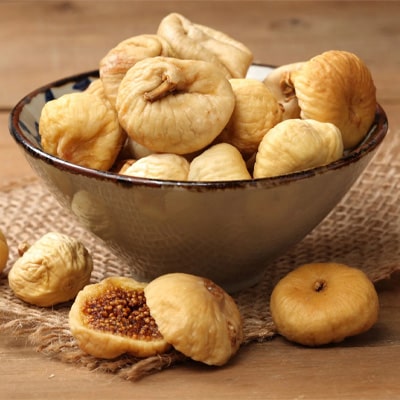
Figs
View Products

Saffron
View Products
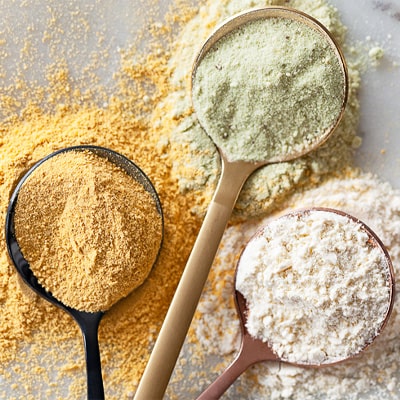
Powders
View Products
Dried Fruits
View Products
View Products
View Products
View Products
View Products
View Products
View Products
View Products
View Products
View Products
View Products

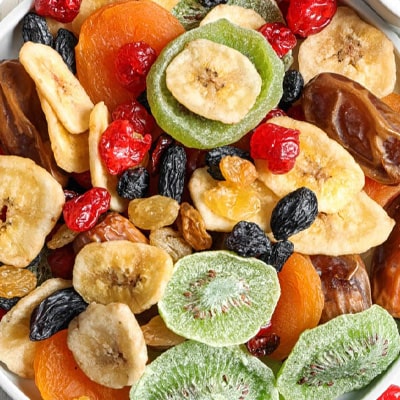
The fruit drying process is one of the oldest yet most advanced food preservation techniques used in the global agricultural supply chain. It transforms fresh fruits into stable, export-ready products with longer shelf life, reduced transportation cost, and improved storage efficiency. In today’s food industry, dried fruits such as apple, cherry, kiwi, orange, peach, plum, and mulberries are essential ingredients for bakery, confectionery, and health food production.
Have you ever wondered how fresh, juicy fruits become lightweight export commodities without losing their nutritional value? The answer lies in controlled dehydration technologies that balance temperature, humidity, and time. Understanding this process gives importers and food manufacturers a clear competitive advantage in selecting high-quality suppliers.
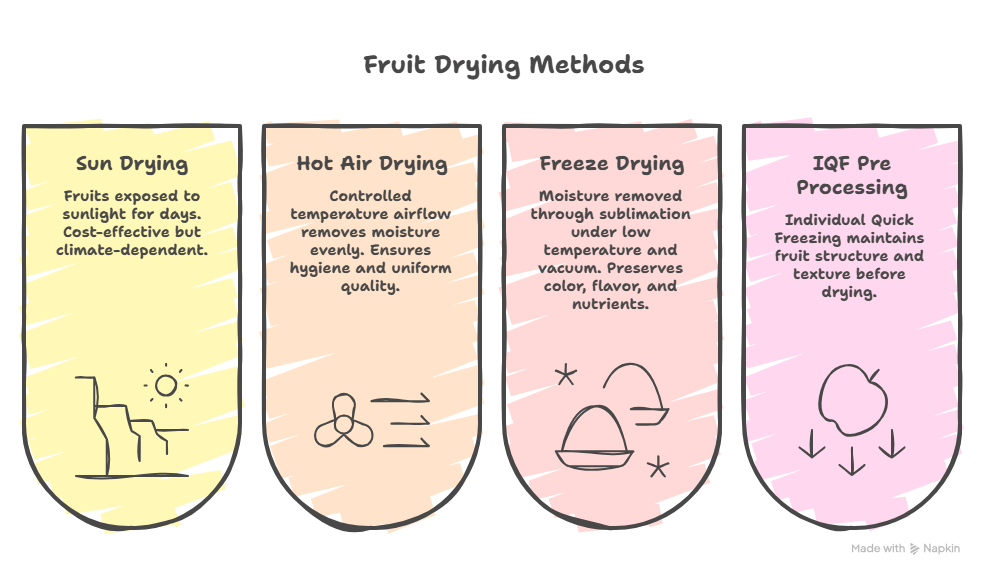
Sun drying is the oldest method where fruits are exposed to direct sunlight for several days. Although cost-effective, it depends heavily on climate conditions and may lead to inconsistent color and texture. This method is still used for products like dried plum and dried aloo bukhara in rural production systems.
Hot air drying uses controlled temperature airflow to remove moisture evenly. This method ensures better hygiene, uniform quality, and export compliance. It is widely used for dried apple, dried orange, and dried peach production in industrial plants.
Freeze drying removes moisture through sublimation under low temperature and vacuum conditions. This method preserves original color, flavor, and nutritional value, making it ideal for high-value products such as dried kiwi and dried cherry.
IQF (Individual Quick Freezing) is often used before drying to maintain fruit structure and preserve high-quality texture in export processing.
This technology plays a key role in producing Frozen Drieds, including products such as Frozen Dried Ice Cream, Frozen Dried Strawberries, and Frozen Dried Apple, which require excellent shape retention, uniform quality, and stable structure throughout the supply chain.
It is widely applied in modern export systems where consistency and premium appearance are essential for international buyers.
Only ripe, undamaged fruits are selected based on size, sugar level, and firmness. Export quality starts at this stage.
Fruits are washed using controlled water systems to remove dust, pesticide residue, and impurities.
Fruits such as apples and peaches are sliced evenly to ensure consistent moisture removal during drying.
Some fruits undergo sulfur or steam treatment to preserve color and prevent oxidation during drying.
Fruits are dried using hot air or freeze drying systems depending on product type and export requirements.
Moisture levels are tested to ensure compliance with international food safety standards such as Codex Alimentarius.
Final products such as dried apple, dried cherry, dried plum, and dried mulberries are packed in moisture-proof materials for global shipment.
The most commonly traded dried fruits include:
Industrial drying offers higher consistency, better hygiene control, and longer shelf life compared to traditional methods. Color retention is significantly improved in freeze drying systems, while nutritional loss is minimized.
Traditional sun drying may still produce acceptable quality but lacks precision and export reliability required by modern international buyers.
Dried fruits are widely used in:
Their versatility makes them essential ingredients in global food supply chains.
International trade requires strict compliance with:
Iran benefits from diverse climate conditions that produce high-quality fruits with natural sweetness and rich aroma. Combined with advanced drying technologies, Iranian suppliers deliver competitive products such as dried apple, dried cherry, and dried mulberries to international markets.
The fruit drying process plays a critical role in transforming agricultural production into high-value export commodities. Understanding each stage helps importers and food manufacturers select reliable suppliers and ensure consistent product quality in global markets.
For bulk supply and export inquiries, industrial dried fruit producers offer customized solutions based on international standards and market requirements.
The main purpose is to remove moisture to extend shelf life and make fruits suitable for long-term storage and export.
Freeze drying preserves nutrients, color, and texture, while sun drying is slower and less controlled.
Apples, cherries, kiwi, oranges, peaches, plums, and mulberries are among the most commonly dried fruits in global trade.




For European import, is hot air dried fruit sufficient in terms of shelf life, or is freeze drying required for long-distance shipping?
Hot air dried fruits are sufficient for most EU shipments with proper packaging, offering 12–24 months shelf life, while freeze-dried products are preferred for premium and lightweight export categories.
We have worked with both traditionally dried and industrially dried fruit suppliers. The biggest difference we noticed was consistency between batches, especially in color and texture.
That is an important consideration for commercial buyers. Controlled industrial drying generally provides more consistent moisture, color, texture, and batch-to-batch quality.