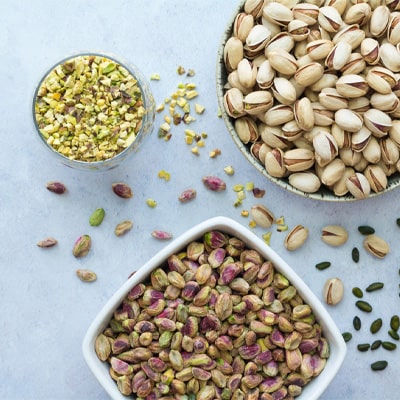
Pistachio
View Products
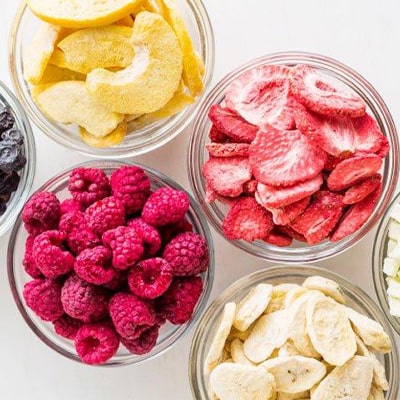
Frozen Drieds
View Products
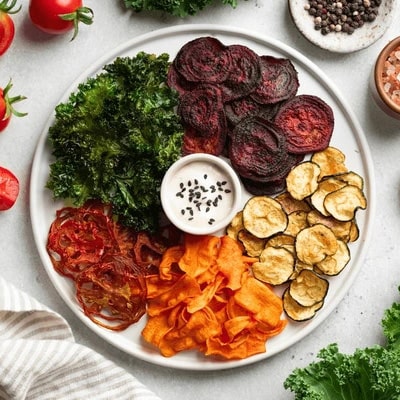
Dried Vegetables
View Products
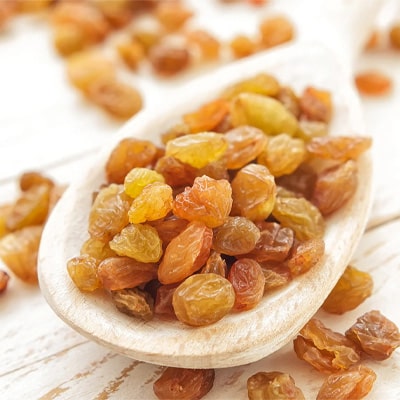
Raisin
View Products
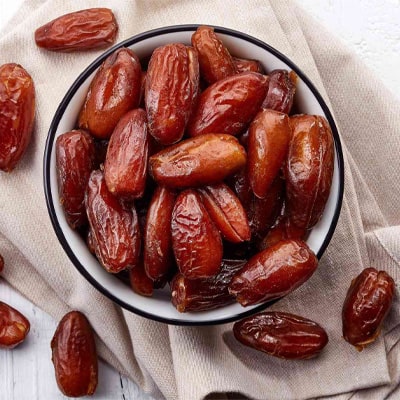
Dates
View Products
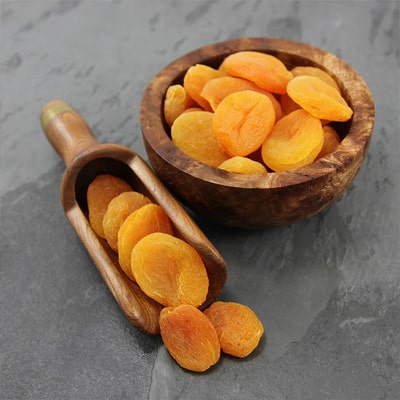
Dried Apricot
View Products
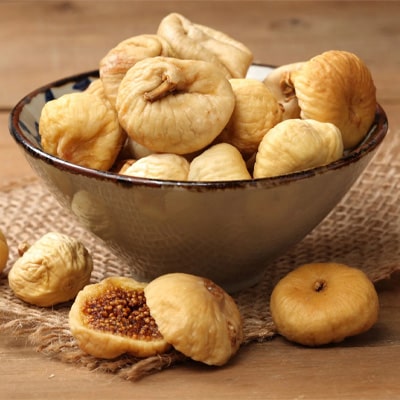
Figs
View Products

Saffron
View Products
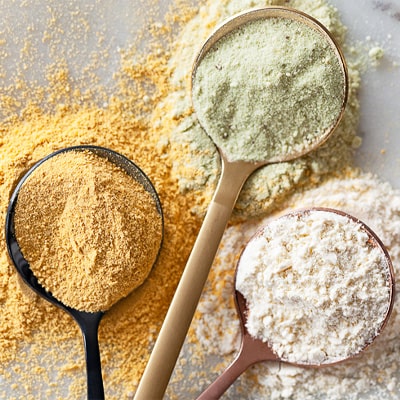
Powders
View Products
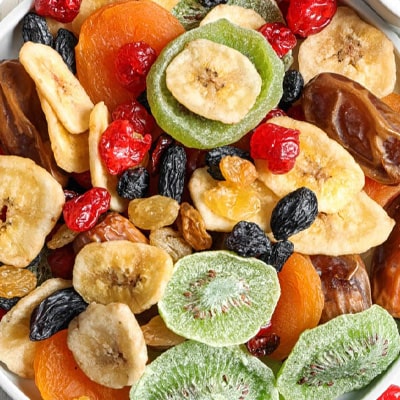
Dried Fruits
View Products
View Products
View Products
View Products
View Products
View Products
View Products
View Products
View Products
View Products
View Products
Production Drop: 12% decline in Iran’s 2026 harvest.
High Demand: Strong imports from Pakistan, Gulf, and EU.
Currency Effect: Rial depreciation raises export prices.
Logistics Costs: Freight and trade barriers add extra charges.
Result: Prices rise to $2,800–$3,300 per ton, marking record highs.
Why are Iranian Golden Kashmari Raisins gaining so much attention in 2026? This question has become critical for bulk buyers and importers who rely on stable pricing and predictable supply. Prices for these premium raisins are showing record highs, reflecting both global demand and domestic challenges in production.
By the end of this article, you will understand the key factors driving these price shifts, how markets are reacting, and what this means for future contracts and imports.
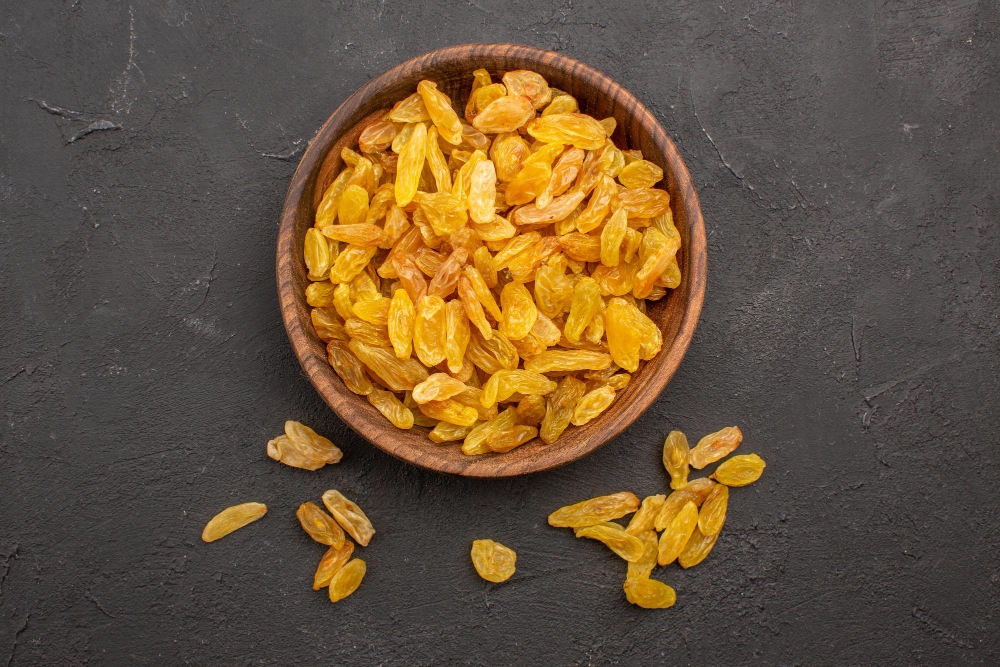
Golden Kashmari Raisins are renowned for their elongated shape, bright golden color, and natural sweetness. In 2026, export prices for this variety have reached unprecedented levels.
Reports indicate that wholesale offers are averaging between 2,800 and 3,200 USD per metric ton, a sharp increase compared to 2025 levels. The highest recorded deals are closer to the 3,300 USD mark, particularly in European and Gulf markets.
Iran’s raisin production is forecast to drop by around 12 percent in 2026 compared to the previous year. This reduction is mainly due to unfavorable weather conditions, rising water costs, and agricultural input shortages. With supply tightening, prices naturally move upward.
Golden Kashmari Raisins are highly valued in Pakistan, the Gulf states, and increasingly across Europe. Importers favor them for their visual appeal and unique taste. As competition for limited supply intensifies, buyers are willing to pay premium prices.
The depreciation of the Iranian rial against major currencies creates complex pricing structures. While exporters benefit in terms of competitiveness, international buyers face fluctuating invoices tied to exchange rates. Additionally, logistics disruptions and freight charges contribute further to final costs.
Sanctions and shifting trade policies have forced exporters to adjust routes and documentation processes. These additional layers increase transaction costs, which are reflected in export price offers.
read more: Aflatoxin Standard Levels for Raisins Exports to Europe
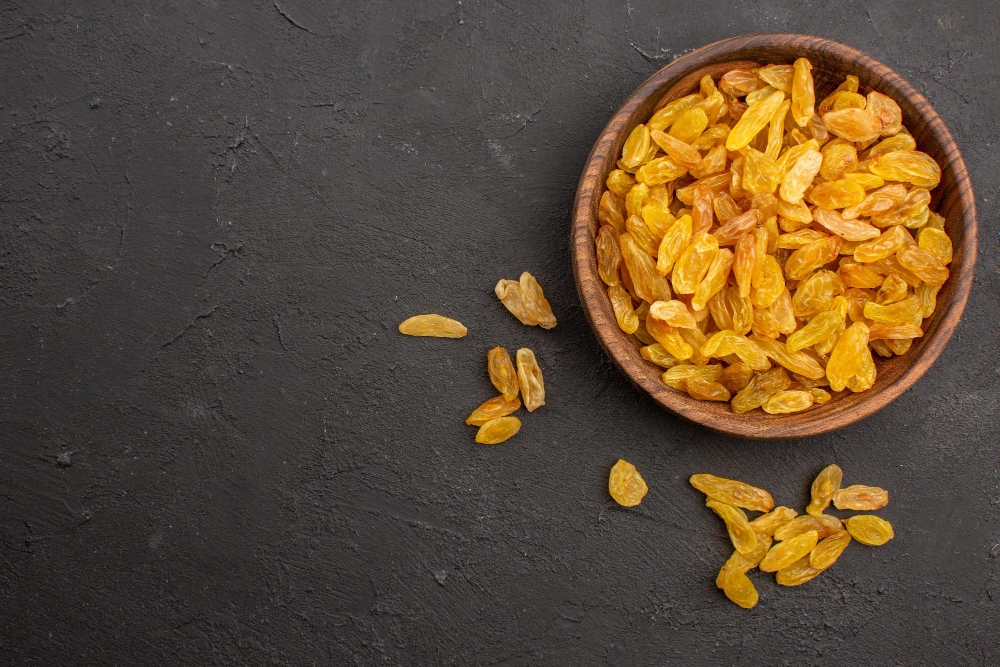
Pakistan remains the top importer, absorbing a significant share of shipments. The country’s food and retail sector drives continuous demand.
European Union countries are showing increased interest due to rising consumer awareness of natural dried fruits. However, strict quality standards and certifications make this a more expensive market to serve.
Gulf states maintain steady growth, especially in the hospitality and retail industries, where Golden Kashmari Raisins are used in confectionery and catering.
Analysts expect prices to remain firm throughout 2026, with little chance of decline before the new harvest cycle in early 2027. Rising costs of farming inputs and freight, combined with strong international demand, point toward continued price resilience.
Importers looking to secure stable supply may benefit from early contract negotiations rather than waiting for seasonal fluctuations.
Prices range from 2,800 to 3,200 USD per metric ton, with some high-quality shipments reaching 3,300 USD.
The rise is linked to lower production in Iran, higher global demand, currency fluctuations, and increased shipping costs.
Pakistan leads as the largest buyer, followed by Gulf countries and European markets with growing demand.